
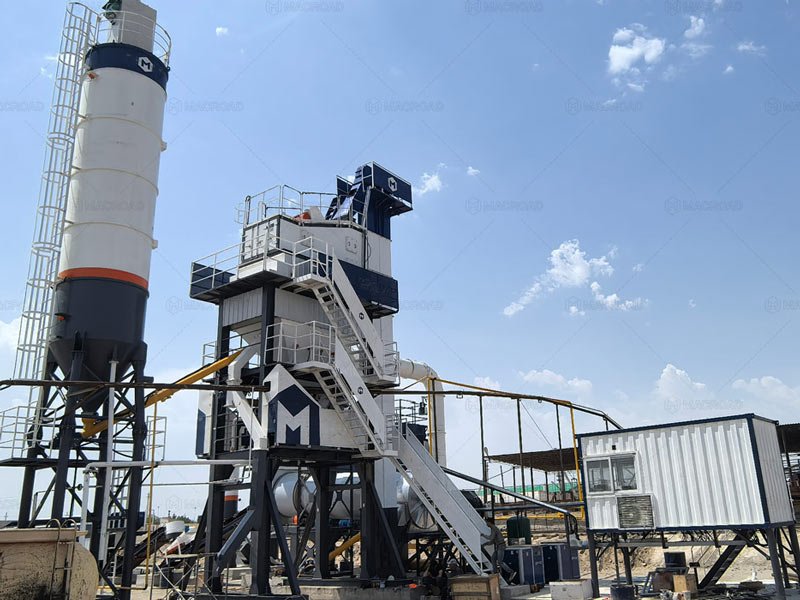
Transparent Pricing, Tailored Solutions
Maximize Your Investment Value with Reliable Asphalt Plants
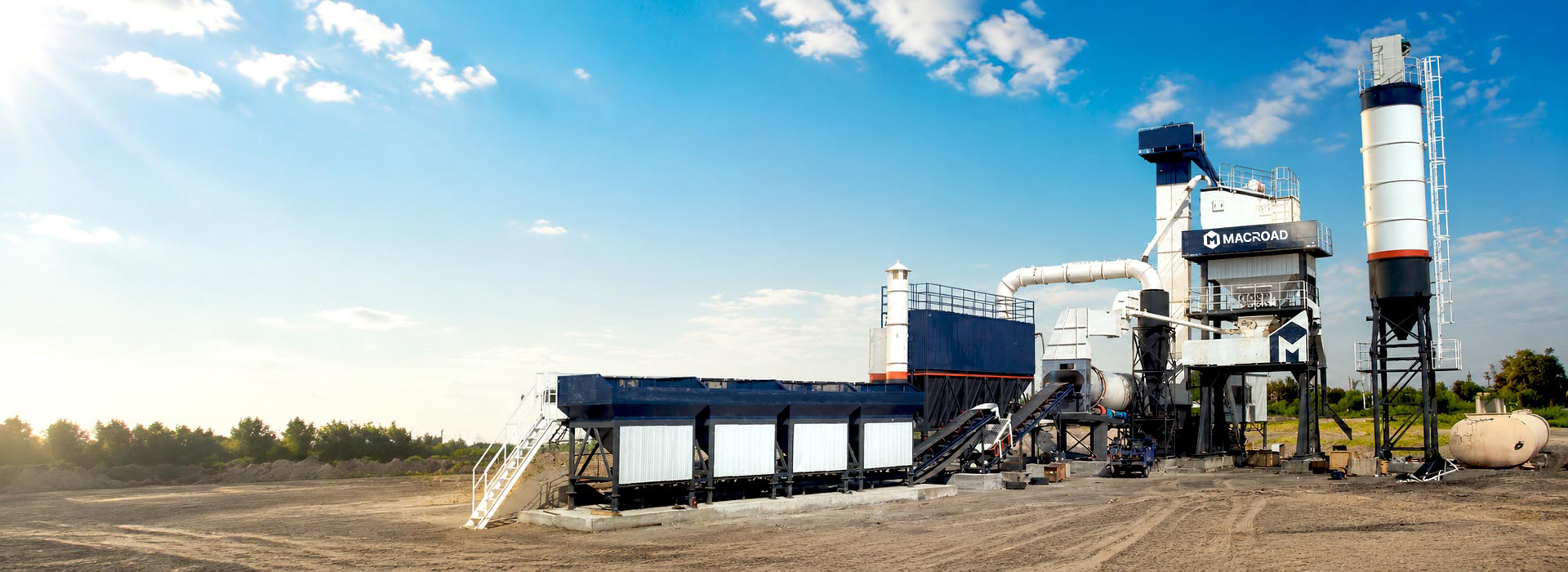
“How much does an asphalt mixing plant cost?” This is one of the most pressing questions for many customers when planning an asphalt production project.
In reality, the asphalt plant price varies depending on factors such as equipment type, production capacity, configuration requirements, and the location of the project. For example, even within the same type of asphalt mixing plant, different capacity levels will differ in their mixing systems, aggregate handling capabilities, storage configurations, and levels of automation, thus resulting in varying investment amounts.
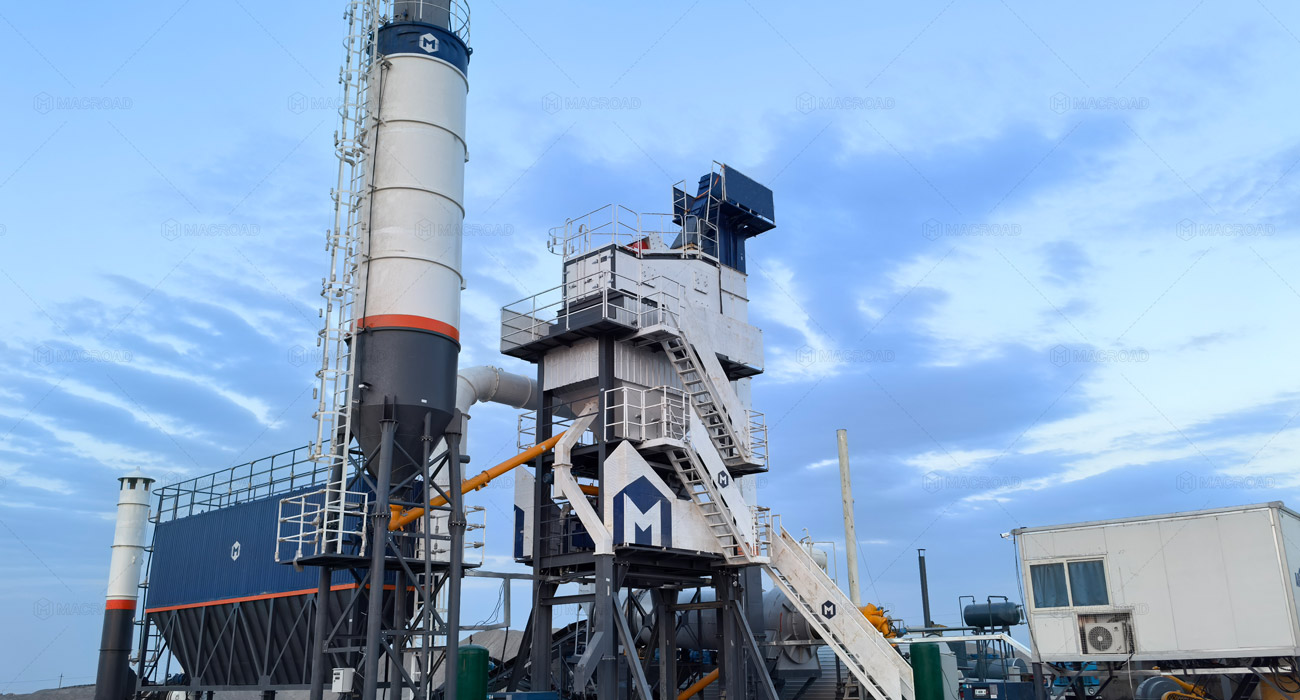
Understanding the factors behind the asphalt plant prices can help you more accurately assess your investment budget and better distinguish between different quotes, thus enabling you to choose an equipment solution that better suits your production needs.
How Much Does Asphalt Plant Cost?
The investment cost to build asphalt plant typically ranges from tens of thousands of US dollars to over one million US dollars, depending on the type of equipment, production capacity, and configuration.
To help you quickly understand the approximate asphalt plant prices range of different types of asphalt plants, we have compiled the following reference asphalt plant price list information. You can make a preliminary judgment on the appropriate equipment based on your project scale and production needs.
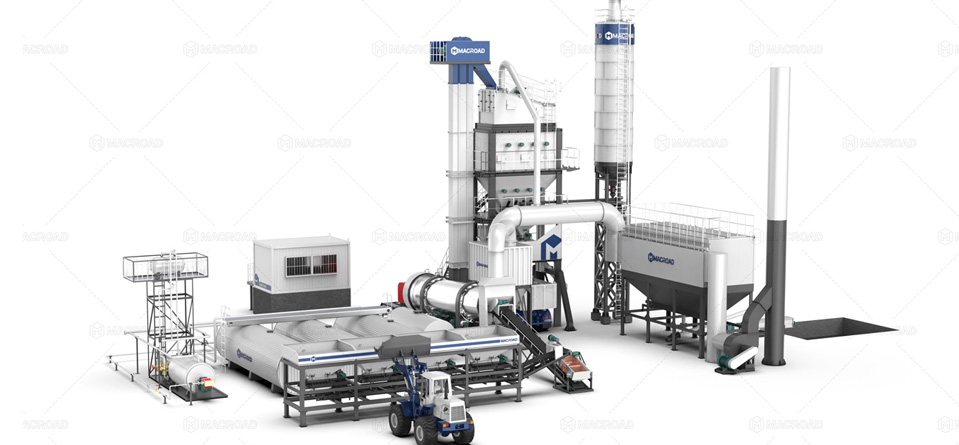
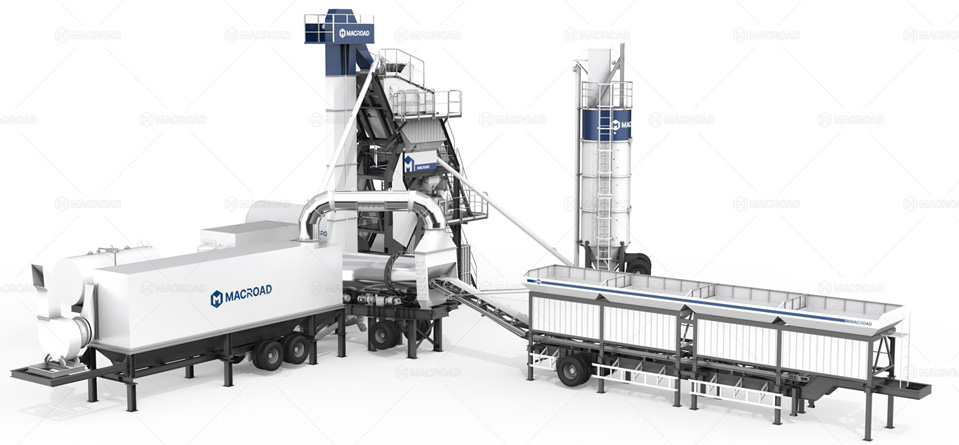
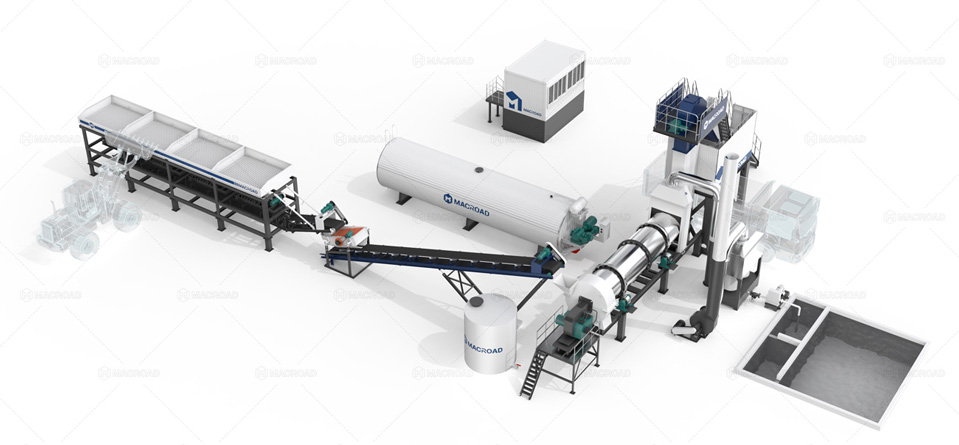
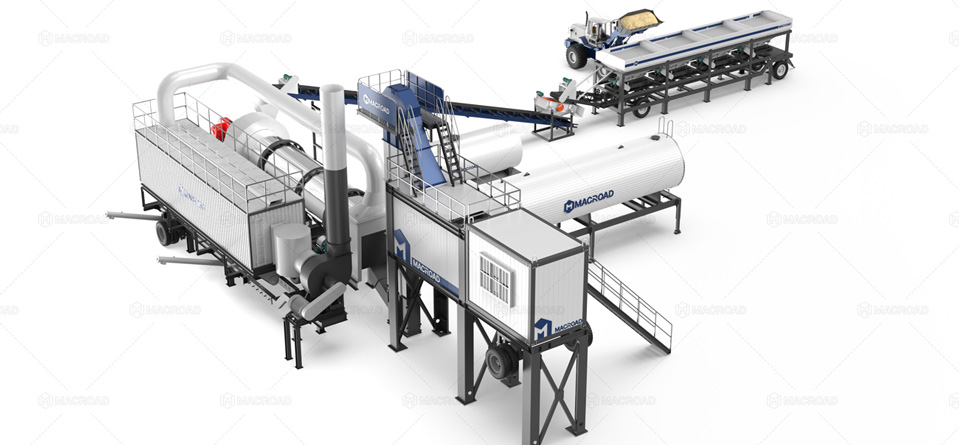
Asphalt Plant Investment Options for Different Project Requirements
After understanding the general asphalt mix plant price range, further referring to the equipment selection in actual projects can help you more intuitively understand the relationship between different investment plans and application needs.
Because each project differs in its construction scale, production targets, site conditions, and budget planning, the type and configuration of equipment chosen by customers will also vary. The following case studies showcase Macroad’s asphalt production solutions for different project needs, hoping to provide more reference for your equipment selection.
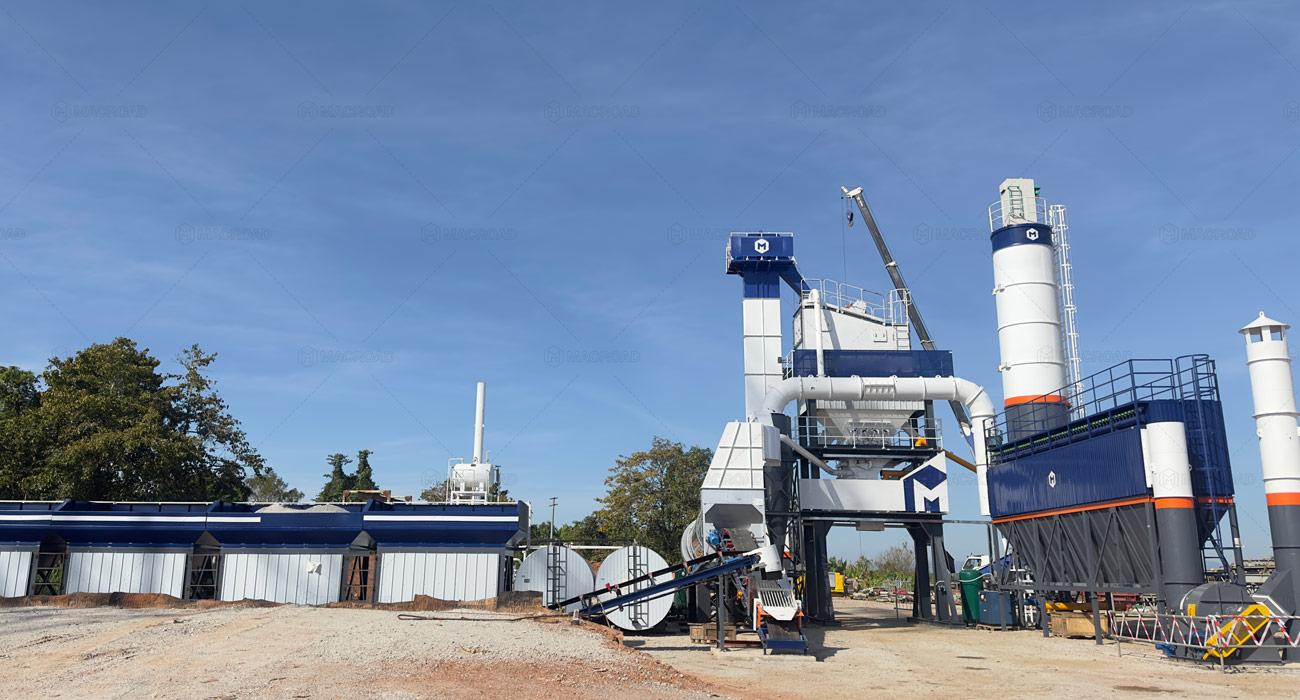
Asphalt Production Solution for Stable Road Supply — Myanmar ALQ80 Project
- Customer Background: The customer was involved in local road construction projects and needed a stable asphalt production system to provide reliable asphalt mixture supply. With long-term project requirements, the customer looked for equipment with stable operation and continuous production capability.
- Equipment Selection: Based on the customer’s need for stable production, Macroad recommended the ALQ80 stationary asphalt mixing plant. The plant provides reliable production capacity to support continuous asphalt mixture supply for road construction projects.
- Investment Value: The ALQ80 matched the project requirements, helping the customer plan equipment investment while maintaining stable production support. The solution balanced investment planning with reliable asphalt supply for future construction activities.
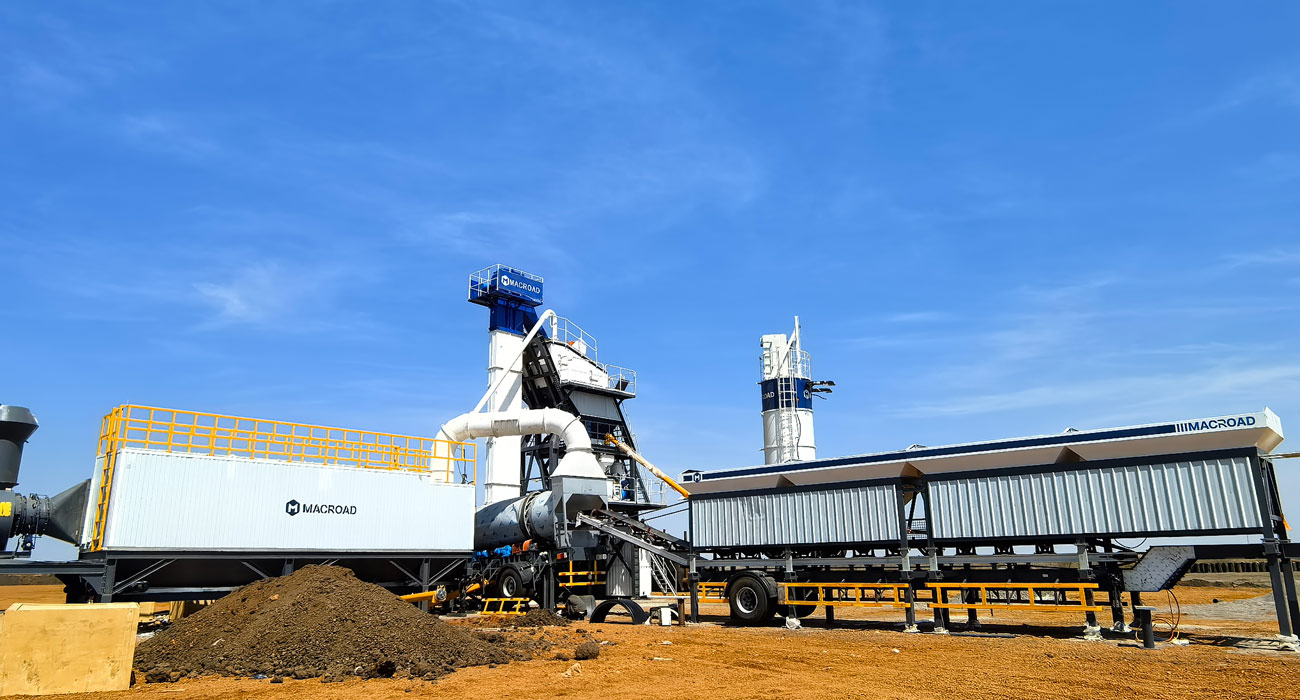
Mobile Asphalt Production Solution for Multi-Site Construction — Sudan ALYQ100 Project
- Customer Background: The Sudan customer needed to support multiple road construction sites with frequent equipment relocation requirements. The customer wanted a mobile solution that could maintain asphalt supply while adapting to different project locations.
- Equipment Selection: Based on the flexible construction requirements, Macroad recommended the ALYQ100 mobile asphalt mixing plant. The mobile design allows easier relocation while maintaining production capacity and asphalt mixture quality.
- Investment Value: The solution allowed the customer to use one plant across multiple projects and improve equipment utilization. It also reduced the need for separate production equipment at different construction locations.
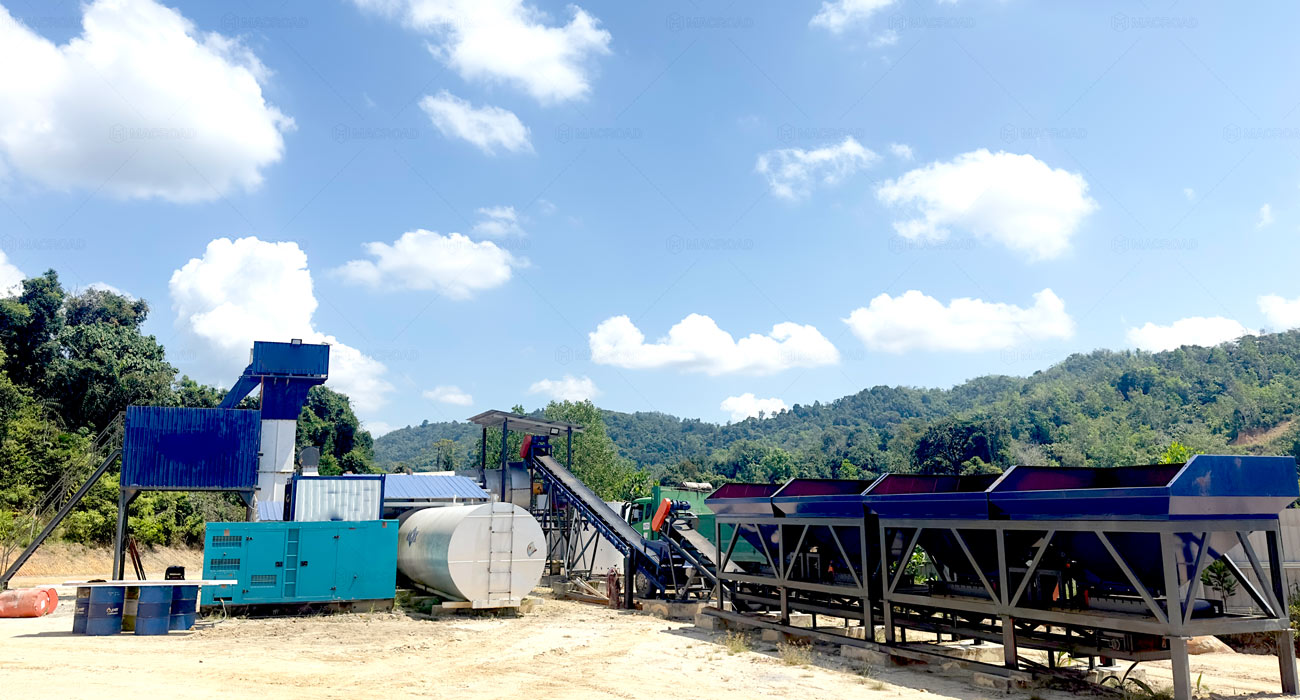
Asphalt Production Solution Balancing Investment and Production Needs — Malaysia ALT60 Project
- Customer Background: The Malaysia customer wanted to establish its own asphalt production capability while controlling initial equipment investment. The customer required a practical solution with suitable configuration for actual construction needs.
- Equipment Selection: Based on project scale and budget planning, Macroad recommended the ALT60 drum mix asphalt plant. The plant provides stable production capability with a solution suitable for small and medium-scale projects.
- Investment Value: The ALT60 helped the customer achieve required asphalt production capability within a reasonable investment range. The solution allowed the customer to plan equipment investment according to actual project needs.
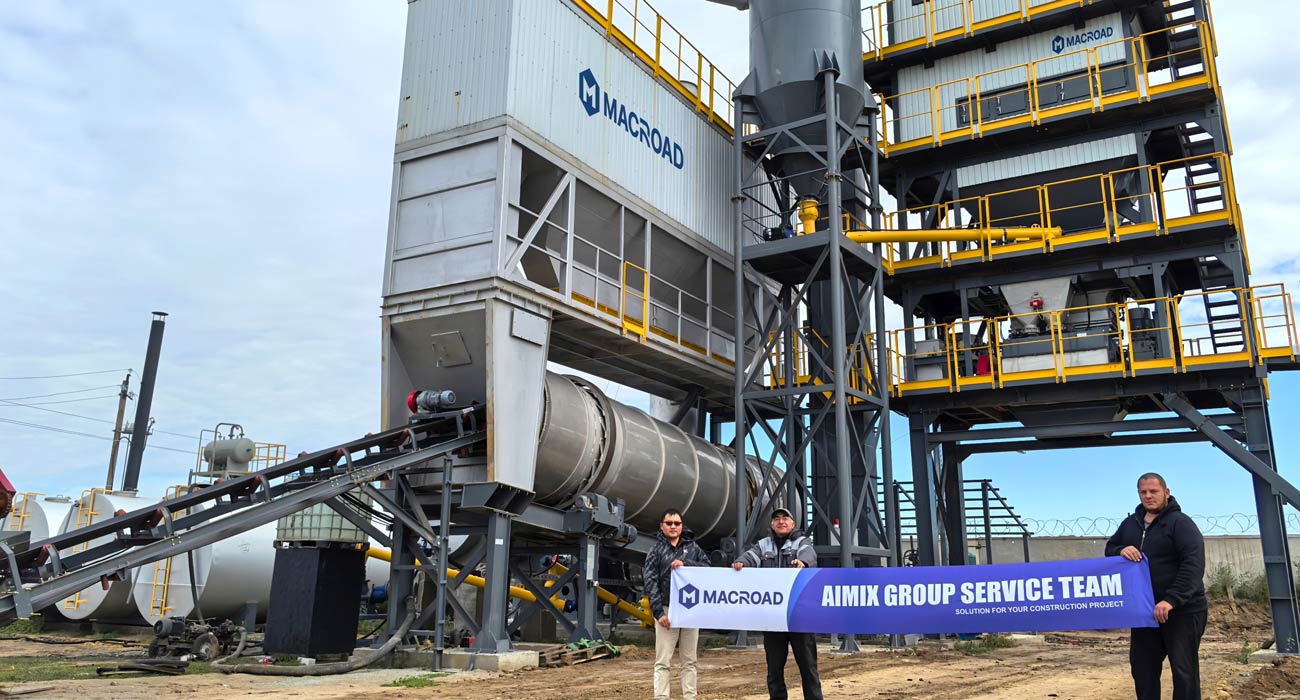
High-Capacity Asphalt Production Solution for Business Expansion — Kyrgyzstan ALQ160 Project
- Customer Background: With increasing project demands, the Kyrgyzstan customer needed higher asphalt production capacity to meet growing construction supply requirements. The customer planned to upgrade equipment to support more road projects.
- Equipment Selection: Macroad recommended the ALQ160 stationary asphalt mixing plant based on the customer’s production requirements. Its higher capacity supports asphalt supply for long-term and large-scale construction projects.
- Investment Value: The ALQ160 helped the customer increase production capability and provided equipment support for future project expansion. The solution enabled the customer to better match growing market demands.
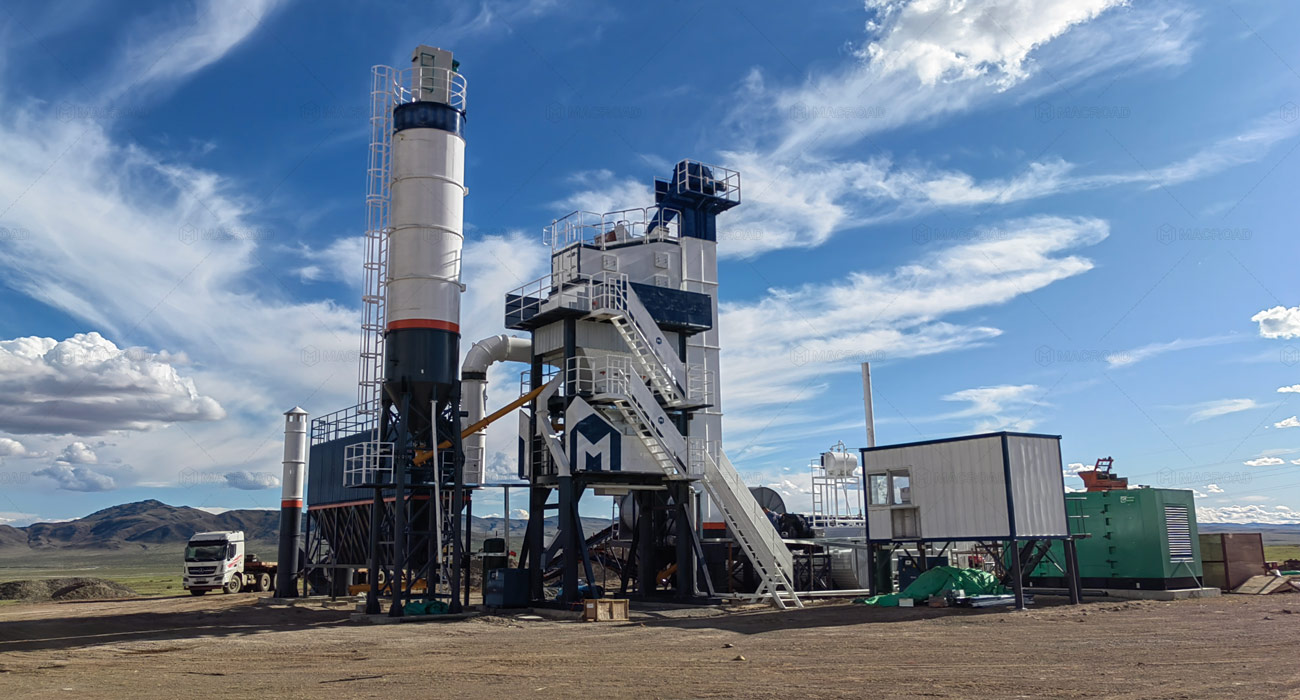
Asphalt Production Solution for Cold Climate Operation — Mongolia ALQ80 Project
- Customer Background: The Mongolia project was located in a cold climate region, and the customer required equipment that could maintain stable operation under low-temperature conditions. Therefore, the customer focused on plant operating capability in challenging climate environments.
- Equipment Selection: Considering the local climate conditions, Macroad recommended the ALQ80 stationary asphalt mixing plant with configuration adjustments based on project requirements. The plant is capable of operating in cold regions while meeting the customer’s production needs.
- Investment Value: The solution provided equipment suited to local conditions and reduced operational limitations caused by cold weather. It also supported stable asphalt production for road construction projects in cold regions.
Macroad Asphalt Plant Categories and Price Comparison
The asphalt mixing plant price differences stem from varying equipment design objectives. Some customers prioritize long-term stable production and require higher precision production control; others value construction flexibility and want equipment adaptable to multiple project locations; still others aim to meet production needs while controlling initial investment.
Therefore, Macroad offers four types of asphalt mixing plant solutions based on different project needs: stationary batch mixing, mobile batch mixing, stationary drum, and mobile drum. The differences in production methods, structural design, and application scenarios among these different types of equipment also result in varying price of asphalt plant ranges.
For the same output: Batch mix asphalt plant price > Drum mix asphalt plant pric

Batch mixing asphalt plant
The advantage of a batch mix asphalt plant lies in the high-quality production of asphalt mixtures. Batch mix asphalt plants produce asphalt in batches, precisely controlling the raw material ratios for each independent batch to ensure that every batch of asphalt mixture meets stringent standards. This makes them particularly suitable for complex formulations and high-grade road requirements.
The higher asphalt plant price factors analysis:
- IoT remote monitoring system: Real-time monitoring of equipment operating status, automatic maintenance reminders, and reduction of failure rate;
- Durable mixing core: Upgraded wear-resistant structures such as mixing blades, hot aggregate bins (with finished product bins of 160 and above), combined with fault prediction maintenance technology, key structural components can meet the requirements of one million tons of output;
- High-precision weighing system: small weighing error, aggregate error within ±0.5%, powder and asphalt error within ±0.25%, resulting in high-quality finished products;
- Multi-stage dust collection solutions: A combination of cyclone separators, bag filters, and water jet dust collectors can be selected to meet various environmental protection requirements.

Drum Mix Asphalt Plant
An asphalt drum mixing plant is a type of equipment that continuously mixes aggregates, powders, and asphalt to achieve efficient and stable asphalt mixture production. It can operate 24 hours a day without interruption, achieving a balance between high capacity and low energy consumption. It is suitable for projects with limited budgets but seeking stable output, such as basic road construction or rural projects.
Reasons for its more affordable asphalt plant machine price:
- Simple structure and integrated design: drying and mixing are combined into one, which takes up little space, is easy to install, and reduces the cost of infrastructure construction and site preparation.
- Fewer moving parts and lower maintenance costs: The core structure of the drum-type asphalt mixing plant is simple, with less mechanical wear, less frequency of parts replacement, and relatively lower long-term maintenance expenses.
- Dust removal systems can be flexibly configured: they typically employ a single dust removal design or optional configurations, which meet environmental protection requirements while avoiding the additional investment required by high-end dust removal systems.
- Energy-efficient and highly efficient: Continuous production mode reduces energy waste from frequent start-ups and shutdowns, while maintaining stable output and reducing energy consumption per unit of product.
For the same output: Mobile asphalt mixing plant price > Stationary asphalt mixing plant price

Mobile Asphalt Mixing Plant
Mobile asphalt mixing plants offer unparalleled mobility and flexibility. Their modular trailer design allows for rapid transport to remote construction sites and quick installation, enabling rapid deployment and production within 24 hours. Whether for contractors working across multiple locations or small projects requiring frequent site changes, mobile asphalt mixing plants significantly reduce logistics costs and site setup time while ensuring high-efficiency production.
The higher asphalt plant price factors analysis:
- Modular quick-installation design: magnetic building block connectors, quick-connect water, electricity and gas, supports 24-hour rapid relocation, no foundation installation required, saving site construction costs.
- Intelligent control system: The AI control operating system enables fully automated production, one-click formula switching, remote monitoring and upgrades, reducing manual labor requirements by half while ensuring stable finished product materials.
- High-efficiency mixing and screening: The powerful mixing system increases production efficiency by 15%, and the blades and liners do not need to be replaced for 5 years; the QuickDraw large-channel vibrating screen has high output, is easy to operate, and requires no maintenance for 2000 hours.
- Precise weighing: AI automatic weighing and screw frequency conversion control keep the measurement error within 1%, effectively avoiding raw material waste and saving operating costs.

Stationary Asphalt Mixing Plant
A stationary asphalt mixing plant is a piece of equipment designed specifically for large-scale asphalt mixture production. After installation, it is fixed in a specific site and can produce high-quality asphalt in batches. It is suitable for long-term, high-intensity construction projects with large asphalt demand, such as highway construction, airport road, and bridge construction.
Reasons for the lower asphalt plant manufacturers price:
- No moving components required: Fixed installation eliminates the need to move the chassis, tires, traction and hydraulic drive components, reducing initial investment and maintenance costs.
- Scalable design: Optimized design for large-scale, long-term stable production, enabling high-yield asphalt production in batches with lower unit production costs.
- Low installation cost: No need for frequent relocation, on-site foundation and installation process can be standardized, saving installation and commissioning costs.
- Suitable for long-term, high-intensity use: It can operate stably for a long time, reducing the additional investment caused by frequent relocation or adjustment, and has a high overall cost performance.
Macroad offers different types of asphalt mixing plants, each designed to meet specific production needs. For projects prioritizing mix quality and long-term stable supply, the batch mix series is an option; for projects with frequent site changes, the mobile series offers greater flexibility; and for projects buy asphalt plant seeking to control initial investment, the drum series provides a more economical production solution.
Macroad Asphalt Mixing Plant Specification
| Model | ALQ40 | ALQ60 | ALQ80 | ALQ100 | ALQ120 | ALQ160 | ALQ200 | ALQ240 | ALQ320 |
|---|---|---|---|---|---|---|---|---|---|
| Output(t/h) | 40 | 60 | 80 | 100 | 120 | 160 | 200 | 240 | 320 |
| Cold Aggregate Feeding System | 4×4.5m³ | 4×6.5m³ | 4×8m³ | 4×8m³ | 5×9m³ | 5×12m³ | 5×12m³ | 5×12m³ | 6×15m³ |
| Hopper Capacity(m) | 4*4.5 | 4*6.5 | 4*8 | 4*8 | 5*9 | 5*12 | 5*12 | 5*12 | 6*15 |
| Collect Belt Capacity(t/h) | 60 | 80 | 100 | 120 | 140 | 200 | 220 | 280 | 360 |
| Dryer Size(m) | φ1.2*5.2 | φ1.5*6 | φ1.5*6.7 | φ1.65*7 | φ1.8*8 | φ2.2*9 | φ2.6*9 | φ2.6*9.5 | φ2.8*10.2 |
| Dryer Capacity (t/h) | 60 | 80 | 100 | 120 | 140 | 180 | 240 | 260 | 360 |
| Fuel Max Consumption(kg/h) | 300 | 450 | 550 | 700 | 950 | 1200 | 1400 | 1700 | 2250 |
| Vibrating Screen(Layer) | 4 | 4 | 4 | 4 | 4 | 5 | 5 | 5 | 6 |
| Aggregate Metering hopper(kg) | 500 | 800 | 1000 | 1250 | 1500 | 2000 | 2500 | 3000 | 4000 |
| Mineral Flour Metering hopper (kg) | 120 | 150 | 200 | 200 | 300 | 300 | 320 | 600 | 700 |
| Bitumen Metering hopper (kg) | 100 | 120 | 150 | 150 | 250 | 250 | 250 | 480 | 500 |
| Weighing accuracy | aggregate:±0.5% Mineral Flour:±0.25% Bitumen:±0.25% | aggregate:±0.5% Mineral Flour:±0.25% Bitumen:±0.25% | aggregate:±0.5% Mineral Flour:±0.25% Bitumen:±0.25% | aggregate:±0.5% Mineral Flour:±0.25% Bitumen:±0.25% | aggregate:±0.5% Mineral Flour:±0.25% Bitumen:±0.25% | aggregate:±0.5% Mineral Flour:±0.25% Bitumen:±0.25% | aggregate:±0.5% Mineral Flour:±0.25% Bitumen:±0.25% | aggregate:±0.5% Mineral Flour:±0.25% Bitumen:±0.25% | aggregate:±0.5% Mineral Flour:±0.25% Bitumen:±0.25% |
| Mixer Capacity(kg) | 500 | 800 | 1000 | 1250 | 1500 | 2000 | 2500 | 3000 | 4000 |
| Cycle Time(s) | 45 | 45 | 45 | 45 | 45 | 45 | 45 | 45 | 45 |
| Dust filter (Bag dust filter) | |||||||||
| Filter Area(m2) | 230 | 300 | 420 | 480 | 550 | 650 | 700 | 1050 | 1350 |
| Draught Fan(kw) | 22 | 30 | 45 | 55 | 90 | 110 | 2*75 | 2*90 | 2*110 |
| Asphalt Temperature (⊥) | 140-180 | 140-180 | 140-180 | 140-180 | 140-180 | 140-180 | 140-180 | 140-180 | 140-180 |
| Model | ALYQ60 | ALYQ80 | ALYQ100 | ALYQ120 |
|---|---|---|---|---|
| Output (t/h) | 60 | 80 | 100 | 120 |
| Hopper Capacity(m) | 4*6.5 | 4*7.5 | 4*7.5 | 4*7.5 |
| Collect Belt Capacity (t/h) | 80 | 100 | 120 | 140 |
| Dryer Size(m) | φ1.5*6 | φ1.5*6.7 | φ1.65*7 | φ1.8*8 |
| Dryer Capacity(t/h) | 80 | 100 | 120 | 140 |
| Fuel Max Consumption(kg/h) | 450 | 550 | 700 | 950 |
| Mixing Tower(kW) | 54 | 63.5 | 104.5 | 125 |
| Vibrating Screen (Layer) | 4 | 4 | 4 | 4 |
| Aggregate Metering hopper(kg) | 800 | 1000 | 1300 | 1500 |
| Mineral Flour Metering hopper(kg) | 150 | 200 | 200 | 300 |
| Bitumen Metering hopper(kg) | 120 | 150 | 150 | 250 |
| Weighing accuracy | aggregate:±0.5% Mineral Flour:±0.25% Bitumen:±0.25% | aggregate:±0.5% Mineral Flour:±0.25% Bitumen:±0.25% | aggregate:±0.5% Mineral Flour:±0.25% Bitumen:±0.25% | aggregate:±0.5% Mineral Flour:±0.25% Bitumen:±0.25% |
| Mixer Capacity(kg) | 800 | 1200 | 1300 | 1700 |
| Cycle Time(s) | 45 | 45 | 45 | 45 |
| Filter Area(m2) | 370 | 420 | 480 | 510 |
| Draught Fan (kw) | 30 | 45 | 55 | 90 |
| Asphalt Temperature (⊥) | 140-180 | 140-180 | 140-180 | 140-180 |
| Total power(kw) | 200 | 300 | 350 | 380 |
| Model | ALT20 | ALT40 | ALT60 | ALT80 | ALT100 |
|---|---|---|---|---|---|
| Output (t/h) | 20 | 40 | 60 | 80 | 100 |
| Power Fuel Oil(kw) | 34 | 65 | 105 | 135 | 170 |
| Power Burning Coal (kw) | 40 | 75 | 120 | 165 | 200 |
| Cold Aggregate Feeding System | 3.5m3*1 | 4m3*4 | 4m3*4 | 6.5m3*4 | 6.5m3*4 |
| Finihnsed Asphalt Storage Bin (t) | 3 | 3 | 7 | 7 | 9 |
| Asphalt Temperature (℃) | 120-180 | 120-180 | 120-180 | 120-180 | 120-180 |
| Fuel Consumption Fuel Ol (kg/t) | 5-7.5 | 5-7.5 | 5-7.5 | 5-7.5 | 5-7.5 |
| Fuel Consumption Buning Coal(kg/t) | 13-15 | 13-15 | 13-15 | 13-15 | 13-15 |
| Asphalt Tank (t) | 10 | 20 | 30 | 30 | 35 |
| Control Room(m) | 2.2 | 2.2 | 3 | 3 | 3.5 |
| Option: Bag Dust Filter | Bag Dust Filter | Bag Dust Filter | Bag Dust Filter | Bag Dust Filter | Bag Dust Filter |
| Model | ALYT20 | ALYT40 | ALYT60 | ALYT80 | ALYT100 |
|---|---|---|---|---|---|
| Output (t/h) | 20 | 40 | 60 | 80 | 100 |
| Power Fuel Oil(kw) | 34 | 65 | 105 | 135 | 170 |
| Power Burning Coal (kw) | 40 | 75 | 120 | 165 | 200 |
| Cold Aggregate Feeding System | 3.5m3*1 | 4m3*4 | 4m3*4 | 6.5m3*4 | 6.5m3*4 |
| Finihnsed Asphalt Storage Bin (t) | 2 | 2.5 | 4.5 | 5 | 7 |
| Asphalt Temperature (℃) | 120-180 | 120-180 | 120-180 | 120-180 | 120-180 |
| Fuel Consumption Fuel Ol (kg/t) | 5-7.5 | 5-7.5 | 5-7.5 | 5-7.5 | 5-7.5 |
| Fuel Consumption Buning Coal(kg/t) | 13-15 | 13-15 | 13-15 | 13-15 | 13-15 |
| Asphalt Tank (t) | 10 | 20 | 30 | 30 | 35 |
| Control Room(m) | 2.2 | 2.2 | 3 | 3 | 3.5 |
| Option | bag dust collector / water dust collector | bag dust collector / water dust collector | bag dust collector / water dust collector | bag dust collector / water dust collector | bag dust collector / water dust collector |
ALQ Series: Six Core Systems Behind Asphalt Plant Price Value
How much does an asphalt plant cost depends not only on the type of equipment and its production capacity, but also on the design level and long-term operational performance of its various internal systems. For long-term production customers, how much is asphalt mixing plant is reflected not only in the purchase stage, but also in the production stability, finished product quality control, maintenance costs, and continued usability during operation.
Macroad always focuses on your actual production needs, optimizing the core system of asphalt plant to ensure stable operation of the equipment in different project environments.
The following section uses Macroad’s best-selling ALQ series asphalt hot mix plant as an example to introduce the equipment’s features from six core systems, helping you to more intuitively understand the cost of asphalt plant.

High-precision batching and weighing system
The quality of asphalt mixtures is closely related to the proportions of raw materials. Therefore, the ALQ series employs independent weighing control to accurately measure aggregates, powders, and asphalt. Through its high-precision weighing system, the equipment reduces batch-to-batch mixing deviations, helping you achieve more consistent finished product quality.
System value:
- Improve production consistency: control the weighing error of aggregates within ±0.5%, and the weighing error of powder and asphalt within ±0.25%, so that each batch of mixtures is more in line with the set formula.
- Reduce raw material waste: Precise metering reduces excessive additions or proportioning deviations, helping you control long-term asphalt mixing plant cost.
- To meet the needs of high-standard road projects: For projects such as highways and urban roads, it can provide more stable quality assurance of the mixture.
High-efficiency drying and heating system
The moisture content of aggregates directly affects heating efficiency and aggregate production. Therefore, the ALQ series is equipped with a high-efficiency drying system. By rationally controlling heat utilization, it can fully remove moisture from aggregates, improve production stability, and bring aggregates to the state required for stable production.
System value:
- Reduce energy consumption and control production costs: Optimize combustion efficiency and heat utilization methods to reduce heat loss and reduce energy consumption per unit output while ensuring drying effect.
- Adaptable to different construction environments: The configuration can be adjusted according to the temperature, humidity and aggregate characteristics of the project site to help the equipment maintain stable operation.
- Improve the stability of finished materials: Stable aggregate temperature and moisture content can reduce fluctuations during the production process, making subsequent batching and mixing more precise.
Powreful mixing system
The ALQ series employs a forced mixing structure, which uses high-speed mixing blades to fully integrate aggregates, powders, and asphalt. Compared to simple mixing methods, batch mixing achieves thorough mixing, improves the uniformity of the finished product, and better meets the production needs of different gradations and high-quality mixtures.
System value:
- Improved mixing uniformity: Batch mixing allows asphalt to more fully coat the aggregate surface, reducing uneven local material distribution and improving the consistency of the finished product.
- Meeting diverse formulation requirements: For asphalt mixtures with different gradation requirements, the batch mixing system can provide a more stable mixing effect and is suitable for various types of road projects.
- Extend the service life of core components: Key components such as stirring blades and liners are designed to be wear-resistant, reducing the frequency of replacement during long-term production and lowering cost to build an asphalt plant.
Intelligent control system
The ALQ series is equipped with an automated control system for centralized management of the production process, including ingredient mixing, stirring, production parameter adjustment, and equipment operation monitoring . It can achieve one-button start and stop, simplifying the operation process and improving production management efficiency.
System value:
- Lowering the operational threshold: Through the automated control interface, operators can quickly complete the setting of production parameters and the start-up and shutdown of equipment, maintaining standardized production even with different experience levels.
- Reduce human error: Automatically control the production process to reduce ratio deviations and operational differences caused by manual adjustments, thereby improving production stability.
- Improve equipment management efficiency: Real-time monitoring of equipment operating status helps you identify anomalies in advance, rationally arrange maintenance plans, and reduce unplanned downtime and asphalt plant costs.
Environmental dust removal system
Dust is generated during asphalt production. Insufficient dust removal capacity can not only affect the on-site environment but also increase the pressure on subsequent environmental management. Therefore, the ALQ series offers multi-stage dust removal configurations to meet the needs of different projects. Through reasonable dust collection and treatment methods , it helps you improve the production environment and meet local environmental standards.
System value:
- Reduce dust emissions: Through multi-stage dust removal design, dust generated during the production process is effectively collected, reducing emissions.
- Meets the environmental protection requirements of different projects: Different levels of dust removal configurations can be selected according to the regulations of the project location, the construction environment and your needs.
- Improve the operating environment: Reduce dust accumulation in the production area, providing a more comfortable environment for long-term equipment operation and on-site personnel work.
Durable structure and maintenance system
For asphalt plant investors, how to determine the cost of an asphalt plant not only reflected in the purchase stage but also in the continuous production process over the next few years. The ALQ series is designed for long-term operation, featuring wear-resistant designs for key structures such as mixing, conveying, and screening, and optimized maintenance methods to help reduce downtime risks and extend equipment lifespan.
System value:
- Ensuring long-term continuous production: Key wear parts are designed with durable materials to withstand the high-intensity operating requirements during long-term production processes.
- Reduced maintenance costs: The rational structural design facilitates inspection, replacement, and routine maintenance, reducing maintenance time.
- Improve return on investment: The longer the stable operating time, the higher the production value that the equipment can create, helping customers to fully realize how much is an asphalt plant worth.
The ALQ series, through optimization of six core systems, provides you with not only a set of production equipment, but also a set of asphalt production solutions that can continuously create value.
What Factors Determine Asphalt Plant Prices?
Different customers receive different asphalt plant prices, which does not necessarily reflect different equipment values. Rather, it’s because projects have varying requirements for capacity, configuration, automation level, environmental regulations, and transportation and installation conditions. Understanding the asphalt plant price factors analysis can help you better determine the composition of the quote and rationally plan your budget based on your actual project needs.
The following are the main factors influencing asphalt plant prices and their typical percentage ranges:
| Influencing Factor | Reference Price Proportion | Specific Influencing Factors | Investment Value |
|---|---|---|---|
| Equipment Type and Production Structure | 25%-35% | Different asphalt plant types (stationary, mobile, compulsory mixing, and drum mixing plants) vary in structural design, production methods, and manufacturing complexity. | Determines the suitable application scenarios, such as long-term production, multi-site construction, or economical asphalt production. |
| Production Capacity Configuration | 20%-30% | Equipment model, hourly output, aggregate bin capacity, mixing system specifications, and other production-related configurations affect the manufacturing cost. | Higher production capacity can support larger-scale projects, while proper capacity selection helps avoid unnecessary investment. |
| Core System Configuration | 15%-25% | Includes weighing system, drying system, mixing system, control system, and other key equipment configurations. | Higher-level configurations help improve production stability, asphalt mixture quality, and long-term operating performance. |
| Environmental Protection System Requirements | 5%-15% | Dust collection level, emission standards, and environmental protection equipment requirements influence the overall equipment cost. | Helps the asphalt plant meet local environmental regulations and adapt to different project requirements. |
| Automation and Intelligent Control Level | 5%-10% | Includes automatic control, production data monitoring, remote management, and other intelligent functions. | Simplifies operation, improves production management efficiency, and reduces differences caused by manual operation. |
| Transportation, Installation, and Project Conditions | 5%-15% | Includes transportation distance, site foundation conditions, power supply requirements, installation, and commissioning requirements. | Proper planning helps reduce additional costs during equipment installation and project startup. |
Why Do Similar Asphalt Plants Receive Different Quotes?
We understand that asphalt plant cost are determined by multiple factors. However, in actual procurement, even with the same production requirements, different suppliers may offer different quotes.
This is because how much is an asphalt mixing plant for sale is not a completely standardized single product. The equipment configuration, manufacturing method, service scope, and project support that the supplier can provide will all affect the final price.
Understanding the sources of these differences can help you more accurately judge the differences between various asphalt production plant prices and choose the solution that truly meets your project needs.

Different equipment configuration standards
Even for the same model of asphalt plant, different asphalt plant suppliers may offer different configuration options. For example, weighing accuracy, mixing system configuration, control system, dust removal system, and materials of key components can all affect how much does a new asphalt plant cost and long-term operational performance.
Supplier manufacturing capabilities differ
Different suppliers vary in their R&D capabilities, production processes, quality control, and experience in manufacturing core components. Manufacturers with complete production systems typically invest more in equipment design, production testing, and delivery processes, resulting in different pricing levels.
The services included in the price quotes vary
Some quotes only include basic equipment, while some suppliers include technical solution design, installation guidance, operation training, commissioning support, and after-sales service in the overall solution. Therefore, when comparing prices, it is necessary to understand how much does it cost to build an asphalt plant and the specific scope of services covered by the quote.
Different raw materials and manufacturing standards
Different suppliers may use different steel standards, electrical component brands, wear-resistant parts quality, and processing techniques. These differences may not be directly reflected in the equipment’s appearance, but they will affect the frequency of maintenance and the equipment’s lifespan during long-term operation.
Different market areas and delivery costs
The transportation distance, logistics methods, installation conditions, and local service resources at different project locations will affect the final price. This is especially true for cross-border procurement, where transportation, spare parts preparation, and on-site support methods will all become part of the price quote.
Therefore, when you see differences asphalt plant prices from different suppliers, the price figures themselves are only superficial differences. What is more important is to understand the equipment configuration, manufacturing standards, and service content behind the quotations.
A reasonable asphalt plant price should help clients balance initial investment, long-term operating costs, and future value while meeting the project’s production needs.
How to Get a Reasonable Asphalt Plant Price?
So how can one obtain a reasonable price for an asphalt mixing plant in an industry environment characterized by chaotic pricing information and significant differences in configurations?
To obtain a suitable asphalt mix plant price, a comprehensive evaluation is needed, considering project requirements, equipment configuration, service content, and long-term operating costs. The following process ensures that the price you receive is transparent, comparable, and deliverable, and also helps you avoid being misled by incomplete quotes.

Define your project requirements
- Define project output and construction period: Provide suppliers with how many tons you plan to produce per day and how long the construction period will be. This will ensure that suppliers quote asphalt plant price based on the correct capacity level and not deliberately start with a high-end configuration.
- Clearly define the requirements for the quality of the mixture: Tell the supplier whether your project is for highways, airports, or ordinary roads. This will determine whether a high-precision weighing or a high-intensity mixing unit is needed, avoiding the selection of too high or too low a standard.
- List on-site limitations: inform the site size, power conditions, climate and environmental protection requirements in advance to avoid being forced to pay more due to additional infrastructure or environmental modifications later.
Request a breakdown of the configuration and a quote
- The requirement is to list the core components item by item: have the supplier asphalt plant price the main unit, burner, dust removal system, control system, structural steel, etc., otherwise you will not be able to determine where the price difference lies.
- Request a comparison between optional and standard configurations: have them tell you which configurations are mandatory and which are optional, to avoid being forced to buy unnecessary upgrades.
- Confirm whether after-sales service is included in the quote: Clarify whether installation, commissioning, training, and spare parts are included in the quote, otherwise additional charges may easily be added later.
Check the total implementation cost
- Confirm transportation, customs duties, and insurance costs: Make sure the supplier knows the total transportation cost of the equipment to your project site to avoid the actual cost being much higher than the FOB price on the quotation.
- Verify infrastructure and installation costs: Inquire whether there are any additional costs for foundation, hoisting, electrical wiring, etc., otherwise cheaper equipment will often make up for the cost during the installation phase.
- Confirm energy consumption and long-term maintenance costs: Require data on fuel consumption and wear part life, as low-cost equipment often becomes a high-cost burden during operation.
Comparing the solutions and cost structures of different suppliers
- At the same time, request quotes from more than three suppliers for the same structure: get asphalt plant prices from different asphalt plant suppliers under the same configuration framework, otherwise it is impossible to compare who is more expensive or cheaper.
- Ask them to explain the reasons for the price differences: having each company explain why it is expensive or cheap can quickly expose low-end traps or inflated prices.
- Create a total cost comparison table: compare the total asphalt plant price, configuration, energy consumption, lifespan and service, instead of just focusing on the equipment price.
Negotiate and optimize the plan
- Adjust configurations based on project priorities: Confirm with your supplier which configurations must be high-end and which can be downgraded, and avoid blindly pursuing the highest level.
- Optimize non-core components: such as the feeding system, pipe material, number of oil tanks, etc. Reasonable adjustments in these areas can save thousands to tens of thousands of US dollars.
- Ask the supplier to provide two or three options for you to choose from: for example, a standard version, an energy-saving version, or a project-customized version. This way, you can clearly see the value differences and put the choice in your hands.
Final confirmation of deliverability rather than paper quote
- Obtain past customer case studies and contact information: personally verify whether the supplier has actually delivered similar equipment.
- The delivery cycle and production schedule must be clearly defined: confirm how long it will take for the equipment to arrive and how long it will take to complete installation, in order to avoid huge losses due to delays.
- Confirm whether the after-sales team is locally available: A supplier without local service capabilities or remote support will cost you more when equipment problems occur.
For asphalt mixing plant procurement, a reasonable asphalt plant price is not simply about reducing equipment procurement costs, but about achieving a balance between configuration, performance, and investment budget while meeting project requirements.
Macroad will match you with suitable equipment solutions based on your project output, construction requirements, site conditions, and long-term usage plans, and provide a clear and reasonable quotation so that you understand how much is an asphalt plant worth, avoid unnecessary investment, and ensure that the equipment can meet actual production needs.
How Macroad Helps Maximize Your Asphalt Plant ROI
Buy asphalt plant is not just a one-time equipment purchase, but a long-term production investment.
Macroad focuses on more than just providing you with equipment and a price of asphalt plant; we aim to help you choose the right solution for your project, ensuring smooth and stable production and maximizing returns as quickly as possible. From project planning to equipment operation, Macroad helps you reduce investment risk and increase the value of your equipment through the following aspects.

Accurate selection avoids unnecessary investment
- Match equipment to project needs: Based on your production requirements, construction period, and application scenario, we recommend suitable models to avoid insufficient equipment capacity or investment exceeding actual needs.
- Rational equipment configuration: Configure equipment according to local power, fuel, climate and environmental protection requirements, so that every investment serves actual production.
- Balancing current needs with future development: While meeting the needs of current projects, consider future capacity expansion potential to enhance the long-term utilization value of equipment.

Optimize configuration and reduce long-term operating costs
- Focus on the value of key systems: optimize the configuration of weighing, mixing, combustion and control systems to help the equipment maintain stable production.
- Reduce energy and maintenance costs: Select appropriate solutions based on the project environment to reduce long-term costs associated with fuel consumption and replacement of wear parts.
- Extend equipment lifespan: The durable structure and reliable component design allow the equipment to continue creating value during long-term operation.

Fast delivery allows equipment to be put into production as soon as possible
- We provide complete delivery support: from manufacturing and factory testing to installation guidance, helping reduce your uncertainties during project initiation.
- Shorten production preparation time: Through standardized production processes and technical support, help equipment complete installation and commissioning faster.
- Ensure stable production start-up: Provide operation training and guidance to enable your teams to master equipment usage methods more quickly.

Continuous technical support to ensure long-term benefits
- Provide operational guidance: Offer technical support based on equipment operating conditions to help your equipment maintain stable production.
- Respond promptly to equipment needs: Help you reduce downtime through remote support and spare parts services.
- Support the long-term development of the project: Provide suggestions for equipment optimization and upgrades based on the client’s future production needs to improve return on investment.
We aim to deliver more than just an asphalt mixing plant; we want to provide a production capacity that delivers stable output, generates revenue, and supports the long-term development of your project. Choose Macroad to bring every equipment investment closer to your long-term goals.
The Right Price Today, Long-Term Value Tomorrow
Buy asphalt plant is an investment in future production capacity. A reasonable asphalt plant price is not only reflected in the initial quote, but also in whether the equipment matches the project requirements, can operate stably, and can continuously generate revenue for your project.
Macroad understands that every project has different production goals and investment plans. Therefore, we will provide you with a transparent, reasonable, and long-term value-oriented asphalt mixing plant solution based on your actual needs. If you are planning an asphalt production project, please contact us so our professional team can recommend suitable equipment configurations and investment plans based on your project situation, helping you take the first step towards successful production.


