

If an unplanned shutdown only delays production for a few hours, is it really worth taking seriously? Many asphalt mixing plant managers would instinctively shake their heads, thinking it’s no big deal—just a sensor error or a belt jam, something that can be fixed with a simple restart. But the problem is precisely that when downtime is treated as a normal occurrence, it’s no longer just an occasional equipment malfunction, but something that subtly disrupts the entire production rhythm, scheduling logic, and coordination system of the asphalt mixing plant.

Unplanned shutdowns are often not sudden accidents, but rather operational signals that have been ignored for a long time. If they are not taken seriously, the cumulative impact can be far greater than imagined.
Key Risk 1: Underestimated Raw Material Instability
Imagine this: the asphalt mixer is running at high speed, workers are busy controlling the hoppers, and suddenly the raw materials show abnormally high moisture content or irregular particle size—the equipment alarm sounds, and the production line has to stop for troubleshooting. Such scenarios are not uncommon, and the cause is often the factor we most easily overlook: raw material instability. Understanding and managing this factor is the first step in reducing unplanned downtime and ensuring asphalt production continuity.

Cause Analysis
- Fluctuations in raw material particle size and proportion: Uneven crushed stone particle size or deviations in mixing ratios can lead to increased load on the mixer and even trigger mechanical alarms.
- Changes in humidity and temperature: Abnormal moisture content in mineral powder or asphalt will affect mixing uniformity and fluidity, causing pipe blockages or mixing interruptions.
- Unstable supply: Differences in raw material quality between batches, supply delays, or inadequate storage management can all lead to unexpected situations on the production line.
Impact Analysis
- Disruption of production rhythm: Even a short downtime of only a few minutes can disrupt the timing of the entire process, causing misalignment in the production chain.
- Fluctuations in mixture quality: Uneven raw materials will directly affect the uniformity and construction performance of the asphalt mixture, potentially increasing the rework rate.
- Chain reaction: Raw material problems are often accompanied by equipment alarms, manual intervention, and waiting by the construction team, amplifying the impact of unplanned downtime and further disrupting the overall production process.
Remedial Measures and Management Strategies
Raw Material Quality Monitoring
- Regular Testing: Regularly test the particle size, moisture content, and impurity levels of raw materials to ensure stable quality.
- Incoming Inspection: Conduct incoming inspections on different batches of raw materials and establish traceable records for easy problem tracking.
Storage and Supply Management
- Silo Optimization: Optimize silo design to ensure uniform storage of raw materials and prevent localized dampness or stratification.
- Standardized Supply: Establish stable batch standards and delivery schedules with suppliers to reduce raw material fluctuations.
Pre-production Treatment
- Drying and Screening: Dry or screen raw materials with high moisture content or abnormal particle size to ensure uniform feeding into the mixer.
- Early Warning Mechanism: Develop a raw material parameter early warning mechanism; adjust the production plan promptly if parameters exceed safe limits.
Operation and Process Adjustment
- Reduce Feeding Speed: When raw material fluctuations are significant, appropriately reduce the mixer speed or feed in batches to reduce equipment load.
- Process Rhythm Adjustment: Adjust the rhythm of each process flexibly based on real-time monitoring data to prevent cascading shutdowns.
Raw material instability is just one aspect of unplanned downtime, but it’s enough to illustrate how even seemingly minor problems can trigger a chain reaction in a high-intensity, continuously operating asphalt mixing plant. Each brief shutdown caused by raw material anomalies gradually affects the entire production rhythm. Understanding this helps us to more comprehensively examine other potential risk points lurking in the operation of asphalt mixing plants.
Key Risk 2: Operating Habits Rather Than Operational Errors
In the daily operation of asphalt mixing plants, the stability of equipment operation depends not only on the machinery itself but also on the habits and procedures of the operators. Even without obvious operational errors, long-term non-standard operating practices can accumulate and become potential causes of unplanned downtime. Correct operating habits are a key factor in ensuring continuous production and reducing unexpected shutdowns.
Typical Non-Standard Operation Cases
- Arbitrary discharge sequence: Raw materials are not added according to the specified sequence, leading to uneven load or blockage in the silo.
- Insufficient equipment preheating: The mixer or asphalt heating system is started before reaching the appropriate temperature, increasing mechanical load.
- Skipping or omitting operation steps: Rapid switching between processes or omitting calibration steps leads to proportion deviations and equipment alarms.
- Overloaded continuous operation: To meet deadlines, operators run the equipment at high intensity for extended periods, leading to alarms or short-term shutdowns.
Key Points for Standardized Operation Procedures

Raw material feeding sequence and proportion
Strictly follow the batch sequence and preset proportions for feeding crushed stone, mineral powder, and asphalt to avoid excessive silo load or uneven mixing, reducing the risk of blockage or proportion deviations.
Raw material storage and inspection
Daily inspection of the raw material status in the silos and storage areas, including humidity, particle uniformity, and temperature, to ensure that the raw materials meet production requirements before feeding.
Equipment preheating and calibration
The mixer, asphalt heating system, and hoists must be started only after reaching the recommended temperature and operating state to prevent excessive mechanical load or substandard mixture temperature.
Standardized process switching
After each process is completed, calibration, cleaning, and inspection must be performed according to standards to prevent unplanned shutdowns caused by skipping steps or omitting procedures.
Production rhythm and load control
Reasonably arrange operating time and rhythm based on equipment capacity and production plan to avoid continuous overloading that leads to equipment alarms or short-term shutdowns.
Operation records and anomaly monitoring
Real-time recording of key parameters during operation, including output, temperature, proportion, and alarm information, for traceability and timely adjustment of the production plan.
Discharge and transfer process
Ensure that silo discharge and transfer processes are carried out in the specified sequence to avoid simultaneous operation of multiple processes leading to blockage or production line stoppage.
Safety inspection and protective measures
Before operation, check whether safety devices and protective measures are in place to prevent safety shutdowns or accidental interruptions caused by improper operating habits.
Training and standardization of operating habits
Regularly train operators on operating procedures, reinforce standardized operating habits, and establish uniform standards to reduce unplanned shutdowns caused by deviations in habits.
Even without obvious operational errors, long-term accumulation of non-standard operating practices can subtly lead to shutdowns in the daily production of asphalt mixing plants. Each deviation in sequence, skipped step in the process, or overloading of equipment acts like a tiny crack, gradually weakening the stability of the production chain.
Key Risk 3: Is Maintenance and Inspection Being Done Correctly?
In the daily operation of asphalt mixing plants, maintenance work, although repeatedly emphasized, is often neglected in practice. Many managers habitually believe that as long as maintenance is performed according to the prescribed schedule, the equipment will operate stably. However, they often overlook the scientific approach, targeted nature, and specific details of maintenance.

Consequently, even with daily routine inspections, minor malfunctions can gradually accumulate during continuous high-load operation, eventually leading to breakdowns. From mixer alarms and clogged conveyor pipes to weighing system abnormalities, inadequate maintenance not only disrupts asphalt hot mix plant production process but also affects the coordination of work procedures and construction progress.
Daily Inspection
Daily inspection is the first line of defense in ensuring the smooth operation of equipment. It allows for the timely detection of minor faults or abnormal signs, preventing problems from accumulating and leading to production interruptions. Inspection is not just about visual checks and listening for unusual sounds; it emphasizes the assessment and recording of the condition of key components, helping the operations team identify potential risks.
Key Points:
- Mixer Blades: Check for wear and cracks. Any abnormalities should be recorded immediately, and maintenance or replacement should be arranged.
- Hoisting and Conveying Systems: Pay attention to the operating sound, vibration, and material flow to determine if there are potential blockages or mechanical failures.
- Weighing System and Sensors: Verify the accuracy of readings to ensure precise proportions for each batch of material, avoiding mixing deviations.
- Lubrication System: Check the grease level and the condition of lubrication points to prevent accelerated wear of parts due to excessive friction.
- Operation Records: The inspection process should be recorded in detail to facilitate subsequent analysis of equipment abnormalities and trend identification.
Periodic Maintenance
Periodic maintenance involves systematic and thorough inspection and adjustment of critical equipment components, and is an important means of preventing the accumulation of minor problems and reducing the risk of unplanned downtime. It focuses not only on component condition but also requires comprehensive verification of system operating accuracy, safety protection devices, and alarm functions.
Key Points:
- Disassembly and Cleaning: Regularly disassemble and clean the mixing host, hoist, and hot material system according to the equipment manual to remove accumulated materials and impurities and ensure smooth operation.
- Inspection and Replacement of Wear Parts: Regularly inspect wear parts such as the transmission system, bearings, belts, and blades. Replace worn or loose parts promptly to avoid sudden shutdowns.
- System Calibration: Periodically calibrate the weighing system and control system to ensure accurate raw material proportions and operating precision, preventing unplanned downtime caused by data deviations.
- Safety Device Inspection: Check that emergency stop buttons, alarm systems, and protection devices are functioning correctly to ensure that critical aspects of the production process are safe and controllable.
- Recording Maintenance Information: Detailed records of operation content and inspection results should be kept for each periodic maintenance, providing data support for long-term equipment management.
Predictive Maintenance
Predictive maintenance utilizes real-time monitoring of equipment status and historical operating data to identify potential failure risks in advance, enabling intervention before problems impact production. Compared to routine inspections and periodic maintenance, predictive maintenance focuses more on data-driven analysis and trend analysis, significantly reducing the incidence of unplanned downtime.
Key Points:
- Data Monitoring: Utilizing sensors and remote monitoring systems to record key parameters such as vibration, temperature, current, and pressure in real time.
- Trend Analysis: Analyzing equipment operating trends through historical data to identify abnormal changes and provide timely warnings, preventing minor problems from escalating into downtime events.
- Proactive Replacement of Critical Components: Replacing core components nearing the end of their lifespan or exhibiting abnormal fluctuations to prevent failures during high-load operation.
- Archival Management: Establishing comprehensive equipment operating records, documenting maintenance and abnormal events, providing a basis for optimizing maintenance cycles and strategies.
- Cross-Departmental Collaboration: Integrating monitoring data with production planning and scheduling systems to enable early warning and rapid response, minimizing the impact of downtime on production lines.
Key Risk 4: Production Planning Misaligned with Equipment Capacity
In the daily production of asphalt mixing plants, production plans are often formulated with production targets as the core objective. However, if the plan is disconnected from the actual capacity of the equipment, peak loads may exceed the equipment’s capacity. In such cases, even with proper operation and maintenance, the equipment may frequently trigger alarms or shut down due to overloading.
Scenario Example: The Dilemma of Project Progress and Equipment Load
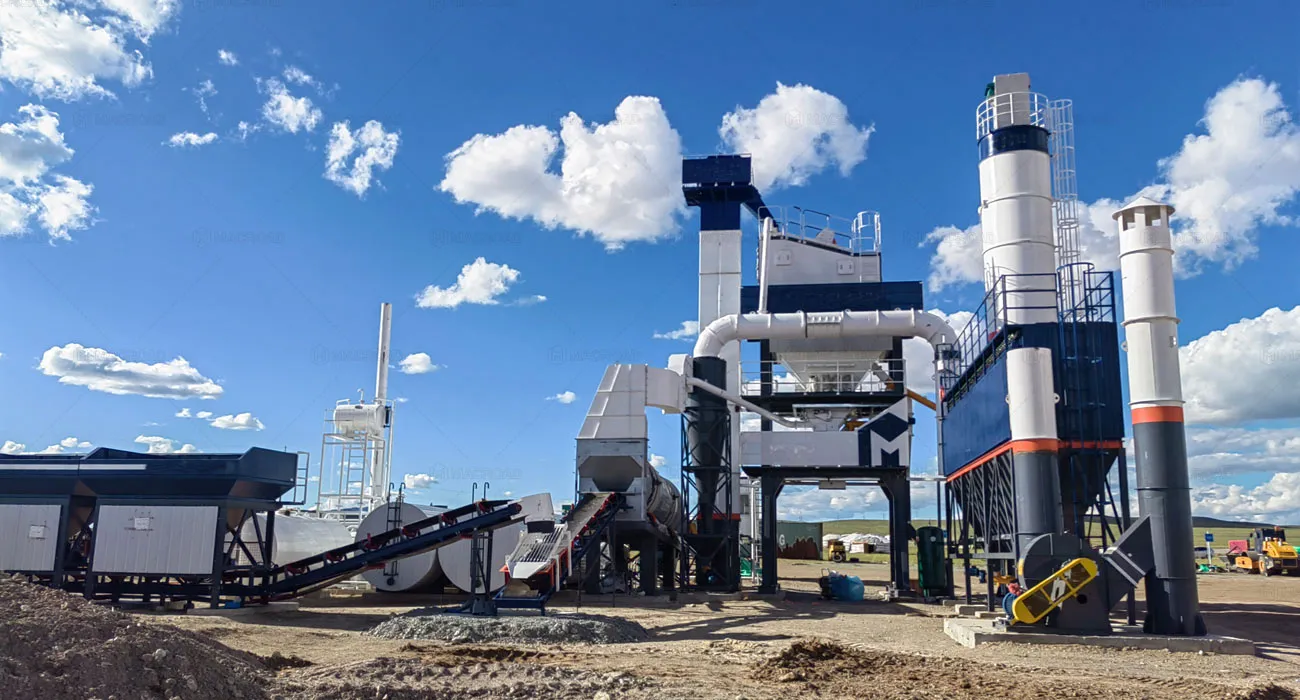
- Project Background: A highway construction project with a one-month timeframe requires a continuous supply of asphalt mixture to ensure the progress of road paving.
- Daily Demand: The construction team requires approximately 1200 tons of asphalt mixture daily.
- Asphalt Mixing Plant Capacity: The mixing plant has a single-shift capacity of approximately 500 tons. Theoretically, continuous operation over three shifts could meet the daily demand, but prolonged full-load operation can easily lead to mechanical fatigue, pipeline blockages, or mixer malfunctions.
In this engineering scenario, the asphalt mixing plant faces a typical dilemma – high-load operation increases the risk of downtime, while low-load operation cannot keep up with the construction schedule. The disconnect between production planning and equipment capacity makes unplanned downtime almost inevitable, impacting overall project progress and resource allocation.
Production Planning and Equipment Matching Measures

Production Volume and Equipment Load Matching
- Equipment Capacity Assessment: Thoroughly understand the maximum continuous operating capacity of each mixer, hoist, and conveyor system, including operating time limits, load limits, and the load-bearing capacity of critical components.
- Shift Production Control: Based on equipment capacity and daily construction requirements, rationally arrange shifts to prevent single-shift production from exceeding the equipment’s continuous operating capacity.
- Peak Load Reserve: When developing production plans, consider fluctuations in raw material moisture content and particle size, as well as potential delays at the construction site, and reserve 10% to 15% buffer capacity for the equipment to reduce the risk of continuous full-load operation.
Process Sequencing and Rhythm Control
- Coordinated Work Rhythm: Maintain synchronized rhythm across all stages of mixing, conveying, weighing, and unloading to avoid idle time or waiting between processes.
- Rational Load Distribution: Avoid scheduling high-load operations on multiple production lines simultaneously. If necessary, stagger production or schedule in batches to prevent overloading of certain equipment.
- Dynamic Scheduling: Through real-time monitoring of the operating status of each process, adjust the work sequence and speed as needed to maintain equipment operation within a safe load range and reduce the likelihood of downtime.
Raw Material and Supply Matching
- Synchronized Supply Rhythm: Ensure that the feeding rate of the silos and the conveying speed of the conveying system match the production plan to avoid abnormal equipment load due to empty silos or excessive accumulation.
- Batch Coordination: Rationally arrange the feeding sequence of different batches of raw materials to prevent multiple batches from entering the production line simultaneously, leading to a sudden increase in mixer load.
- Transportation and Construction Coordination: Include raw material transportation and unloading times in the production plan to avoid temporary shutdowns waiting for raw materials, thereby reducing the probability of unplanned downtime.
Anomaly and Adjustment Mechanisms
- Real-time Load Monitoring: Use sensors or remote monitoring systems to record key parameters such as equipment vibration, temperature, and current to promptly detect critical loads or abnormal trends.
- Buffering and Flexible Adjustment: Set adjustable buffer capacity in the production plan. When encountering critical equipment loads or unexpected problems, the production volume can be appropriately reduced or the process sequence adjusted.
- Rapid Response Mechanism: Establish clear operating procedures so that operators can quickly adjust work arrangements when monitoring data shows that the equipment load is approaching its limit, reducing the impact of unplanned downtime on production volume and construction progress.
Key Risk 5: Information Lag and Decision-Making Blind Spots
In the daily operations of asphalt mixing plants, delayed or incomplete information flow often leads to managers lacking timely insight into the actual state of the production site. Problems such as equipment alarms, production deviations, and abnormal raw material supply, if not quickly and accurately detected and addressed, can escalate into unplanned downtime. This information lag and resulting blind spots in decision-making cause preventable downtime events to occur frequently in actual production, affecting production line continuity and construction progress.
Equipment alarms were not responded to promptly
- Reason: Operators failed to receive alarm information immediately, or there was a delay in transmitting the information to management.
- Solution: Establish a unified monitoring platform to push critical alarm information to operators and managers in real time; set up a multi-level notification mechanism to ensure that any abnormalities are responded to quickly.
Production deviations were not detected in time
- Reason: Lack of real-time monitoring of weighing systems and mixer operating status; data could only be statistically analyzed afterward.
- Solution: Introduce a real-time production monitoring system to visualize production volume, proportions, and equipment status; conduct daily scheduled checks and trend analysis to identify abnormalities in advance and adjust production plans.
Delays in raw material supply or changes in batches were not known in time
- Reason: Suppliers did not provide timely feedback, and there was a lack of information synchronization between warehousing and production scheduling.
- Solution: Establish a supply chain information sharing platform, with real-time updates on raw material arrival and batch data; set safety stock levels and backup batches.
Incomplete equipment operating status information
- Reason: Some equipment lacks sensors or remote monitoring interfaces, making it impossible to obtain all critical parameters.
- Solution: Upgrade the monitoring system to cover core equipment such as mixing hosts, hoists, and conveying systems, and record data such as vibration, temperature, and current in real time.
Changes in construction contractor requirements were not reported in time
- Reason: There was a delay in communication between production planning and the construction contractor, making it impossible to flexibly adjust production volume.
- Solution: Establish a mechanism to synchronize construction requirements with production plans, and communicate critical changes to production scheduling personnel in real time.
Unclear equipment anomaly handling procedures
- Reason: Operators lack standardized handling procedures, and abnormal events rely on experience-based judgment.
- Solution: Develop standardized emergency operating procedures, clearly defining the handling steps, responsible personnel, and response time for each type of anomaly.
Discrepancies between production plans and actual operation were not detected in time
- Reason: Lack of comparison between production plans and real-time production line operation; deviations were discovered with a delay.
- Solution: Choose asphalt plant supplier provided with digital system to compare plans with actual production line operation in real time, and provide immediate alerts for abnormal deviations.
Information aggregation and management decision-making were delayed
- Reason: There was a time delay in the transmission of information from the operational level to the management level, increasing decision-making blind spots.
- Solution: Establish real-time data reports and dashboards, allowing management to view equipment status, production volume, and raw material status at any time for rapid decision-making.
In the operation of asphalt mixing plants, information delays and blind spots in decision-making not only affect daily production efficiency but are also a potential cause of frequent unplanned downtime. By establishing real-time monitoring, data sharing, and standardized emergency procedures, the risks associated with information delays can be significantly reduced, allowing managers to promptly understand equipment status, production changes, and raw material supply, and make adjustments quickly.
Only by streamlining information flow and eliminating decision-making blind spots can production plans truly match equipment capabilities, thereby reducing the likelihood of unplanned downtime and ensuring construction progress and production line continuity.

Unplanned downtime at asphalt mixing plants has long been considered an unexpected event, and managers often rely on temporary fixes to maintain production. However, as the five key risks analyzed earlier demonstrate, these downtimes are often predictable, resulting from the accumulation of problems such as raw material fluctuations, poor operating practices, inadequate maintenance, disjointed production planning, and information delays.
True operational improvement lies not in reactive damage control, but in proactively identifying risks, scientifically planning production, standardizing operations and maintenance, and streamlining information flow, ensuring that every production run operates within controllable parameters. Through this shift from reactive firefighting to proactive management, unplanned downtime can be minimized, production rhythms become more stable, construction progress becomes more predictable, and managers are provided with reliable decision-making information.