
For any road engineering project, stable asphalt mixture output is crucial for ensuring both production efficiency and construction quality. In actual projects, deviations in mixture uniformity often directly lead to 3%–8% fluctuations in construction quality, while unstable output rhythm can cause an overall production efficiency decrease of over 10%. All of this hinges on the overall performance of the mixing unit. During the operation of an asphalt mixing plant, the true determinant of mixture quality is not the parameter control of a single stage, but rather the comprehensive performance of the mixing unit throughout the entire mixing process.
It undertakes the entire process of material tumbling, shearing, and blending. Its structural form, power configuration, and internal design directly affect whether the mixture is uniform, smooth, and possesses good workability during output. Especially under high-load, high-volume continuous production environments, the quality of the mixing unit’s structure is amplified, ultimately reflected in output stability, energy consumption levels, and equipment operational reliability.
What Are the Key Requirements for the Mixer During the Discharge Phase?
During the discharge stage, the asphalt mixture has completed its proportioning and heating, entering a critical phase before final molding. Its performance at this stage directly reflects the internal structure and operational quality of the mixing unit. To achieve high-quality, stable, and continuous discharge, the mixing unit must meet at least the following core requirements.
Uniform discharge is essential – requiring sufficient and stable mixing capacity
The ideal discharge state involves uniform distribution of the aggregate, thorough coating of the aggregate, and temperature differences controlled within a reasonable range. If the tumbling path is unreasonable or the shear strength is insufficient during mixing, even with precise front-end proportioning, local segregation or temperature fluctuations may occur during discharge.
- Therefore, the mixing unit must possess:
- Sufficient shearing and tumbling capacity
- A reasonable material circulation path
Stable power output. Only with a thorough and balanced internal mixing process can the discharge stage exhibit consistent and stable quality.
Continuous discharge is essential – requiring a smooth, unobstructed structure
In continuous production, the discharge rhythm directly affects the efficiency of the entire production line. If there are dead corners in the mixing chamber, or if the discharge structure is not properly matched with the internal space, material is prone to stagnation or intermittent discharge, thus affecting the production rhythm.
This places clear requirements on the mixing unit:
- The internal structure should avoid dead corners and material accumulation areas.
- The material should circulate smoothly within the chamber.
- The discharge port should be naturally connected to the mixing path.
The smoothness of the discharge essentially depends on the scientific nature of the internal structure.
Stable Discharge – Requiring Structural Consistency Under High Load
Under high-output conditions, the mixing unit operates at high speed and high torque for extended periods. If the shaft structure is unstable or the blades experience uneven stress, fluctuations can easily occur during continuous production, affecting the quality of the discharged material.
Therefore, the mixing unit needs to:
- A reasonably matched power system
- Sufficient structural rigidity
- Maintain synchronous stability between the shaft and blades under high load
Stability during the discharge phase is essentially a reflection of the long-term stable operation capability of the internal structure.
Controllable Discharge – Requiring Precise Matching with System Control
Different projects have different requirements for the mixture; mixing time, speed, and mixing intensity all need to be adapted. If the mixing unit structure cannot precisely match the control system, even with reasonable parameter settings, it is difficult to guarantee consistent discharge.
Therefore, the mixing unit must not only have a reasonable structure but also possess:
- Adjustable operating parameters
- Good coordination with the intelligent control system
- The ability to quickly respond to changes in different operating conditions
The controllability of the discharge is a comprehensive reflection of structural design and system integration capabilities of an asphalt plant.
High-quality asphalt mixtures place holistic demands on the mixing unit. Uniform, stable, and continuous discharge performance depends on the dynamic matching of the mixing shaft, the shearing efficiency of the blades, the smoothness of the cavity structure, and the rational design of the discharge structure. A weakness in any structural component will be amplified during the discharge stage. Truly stable discharge results come from the coordinated optimization of all parts of the mixing unit.
Understanding Performance from the Overall Structure of the Mixing Unit
While it’s widely known in the industry that the mixing host determines the mixing quality, the specific composition and operational mechanisms of its internal structure are often not deeply understood. In fact, the mixing host is not a single component, but rather a collaborative structure comprised of multiple parts, including the mixing shaft, mixing blades, mixing chamber, discharge structure, and power transmission system. Each structural unit directly participates in the material’s tumbling path, shear strength, and discharge rhythm. Only by understanding the operational logic of these core structures can one truly see how the mixing host affects the final performance of the mixture.
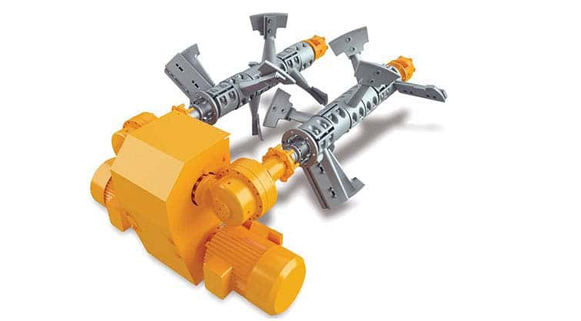
Agitator Shaft System: The Core of Power and Mixing Path
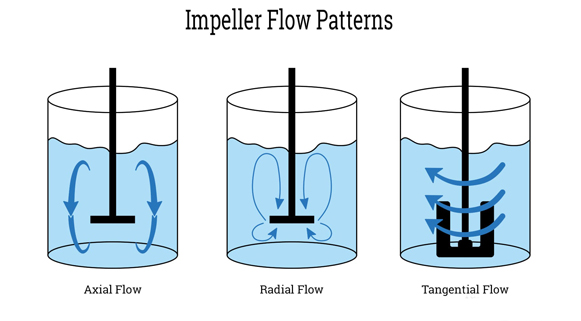
The agitator shaft is the power core of the entire machine. The torque generated by the motor and reducer is transmitted to the blades through the shaft, driving the material to tumble and shear. The number, arrangement, and direction of rotation of the shafts determine the flow path and mixing intensity of the material within the chamber.
The stability of the shaft system structure also directly affects operational smoothness. In high-load continuous production, the rigidity, coaxiality, and power matching accuracy of the shaft determine whether the mixing process remains stable.
Agitator Blade Assembly: The Mixing Unit Directly Acting on the Material
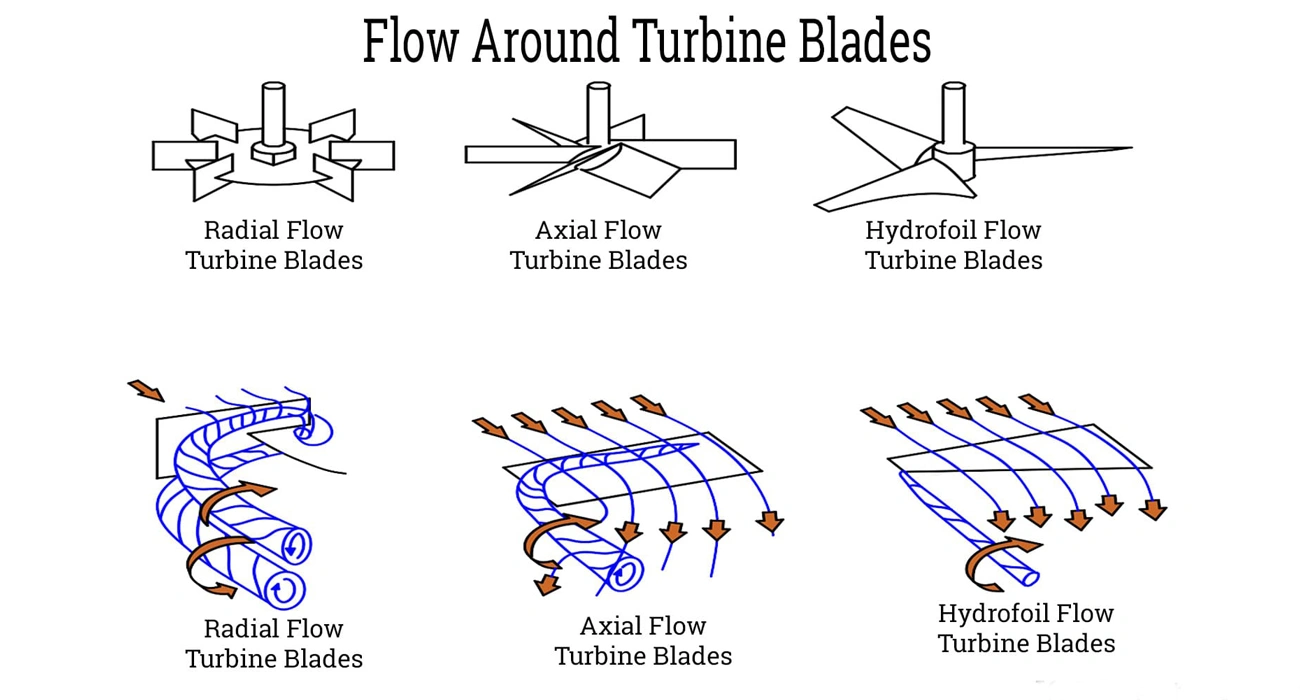
If the agitator shaft provides power, then the agitator blades are the key components that convert power into actual mixing action. The blades, through specific angles and arrangements, cause the material to tumble, convection, and shear.
The geometry, spacing, and installation angle of the blades affect the circulation trajectory of the material within the chamber. If designed properly, the material can form a stable circulating flow field; if designed improperly, mixing dead zones or localized excessive shearing may occur.
Agitator Chamber Structure: The Spatial Basis for Material Circulation
The agitator chamber provides the mixing space for the material. The volume ratio, internal shape, and inner wall structure of the mixing chamber affect the flow efficiency and retention of materials.
A well-designed chamber should ensure a continuous circulation path for materials driven by the shaft and blades, while avoiding material accumulation and dead zones. In continuous production, the smoothness of the chamber structure directly affects the discharge rhythm and mixing stability.
Discharge Structure: The Final Release Channel for Mixed Materials
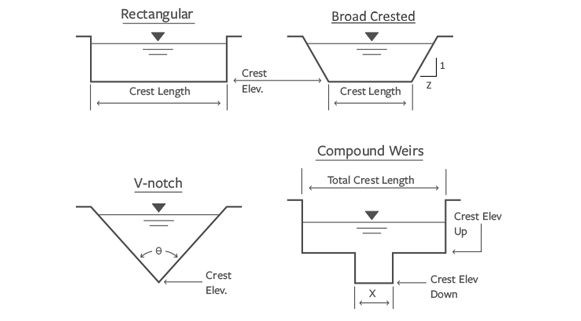
Located at the bottom of the mixing chamber, the discharge structure is responsible for quickly and evenly discharging the mixed materials. The size of the discharge port, its opening method, and the angle of connection with the bottom of the chamber all affect discharge efficiency.
An improperly designed discharge structure may lead to material stagnation, flow interruption, or residue, thus affecting continuous production efficiency.
Impact of the Mixing Shaft on Asphalt Mixture Discharge
Among all structural elements of a mixing plant, the mixing shaft is the core component that directly determines the movement of materials. The tumbling path, shear intensity, and circulation rhythm of materials within the chamber are all dominated by the structural form of the mixing shaft. These motion states not only affect the mixing stage itself but also further determine the uniformity, flowability, and rhythmic stability of the mixture upon discharge.
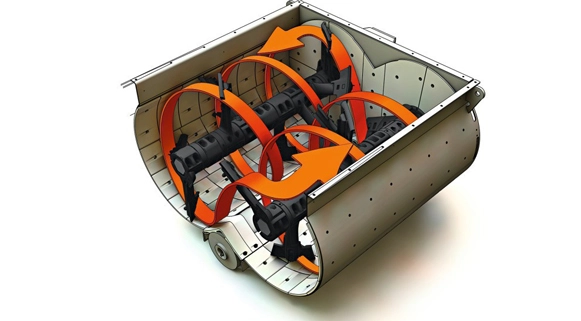
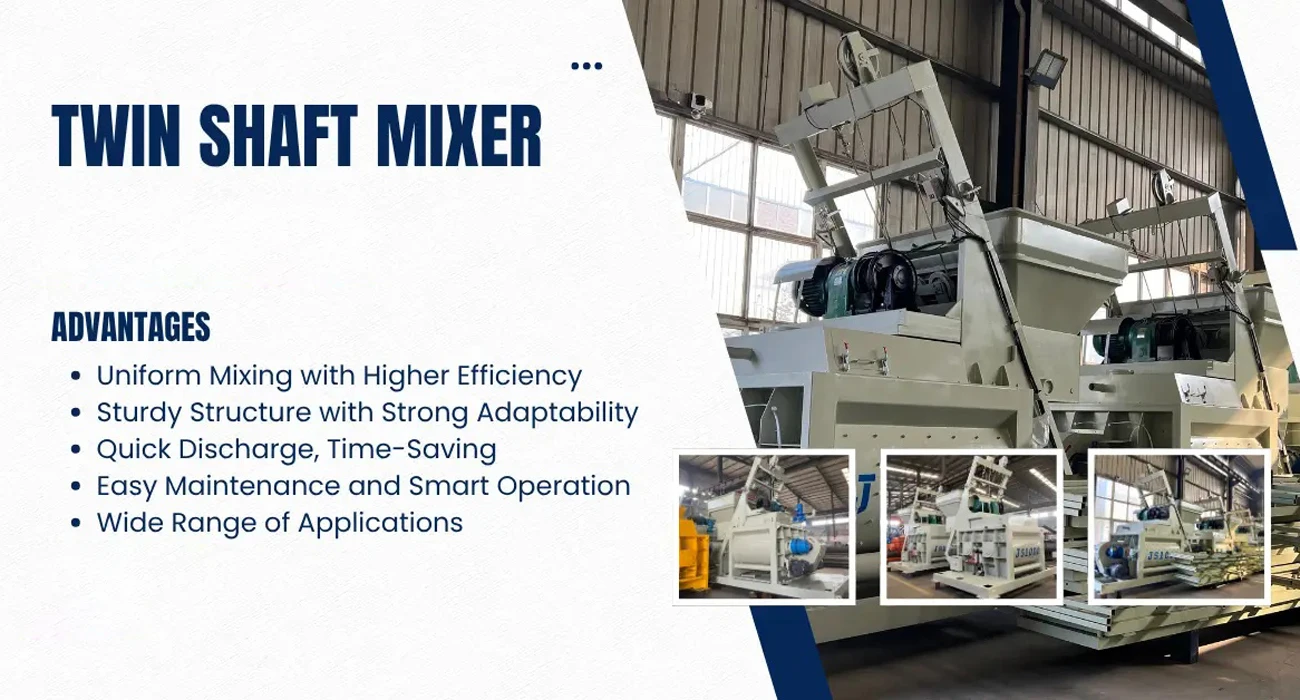
In current engineering-grade asphalt mixing plants, the industry mainstream is the twin-shaft forced-flow structure. This structure, through the coordinated movement of two parallel shafts, establishes a stable three-dimensional flow and distributed shear environment, making the mixing process more balanced and the discharge stage more controllable. Its advantages are mainly reflected in the following four aspects.
Impact of Cross-Flow Structure on Discharge Uniformity
- Dual-shaft counter-rotating synergistic drive: Two horizontal shafts rotate in opposite directions, forming a continuous material exchange zone between the shafts. This constantly redistributes materials from different areas, reducing local component differences and fundamentally improving discharge uniformity.
- Enhanced lateral convection mixing and exchange: While materials tumble longitudinally, they migrate laterally, significantly increasing the frequency of mixing in different areas of the chamber. This avoids the formation of stable stagnation zones, thus reducing the risk of segregation.
- Stable existence of an inter-shaft shear zone: A continuous shear zone is formed between the two shafts, ensuring more thorough coating of the asphalt stone. A uniform structural foundation is established before entering the discharge stage, resulting in a more consistent state for each batch of mixture.
Influence of Continuous Circulation on Discharge Rhythm Stability
- Forced continuous tumbling path: The blades of the dual horizontal shafts propel materials into a stable circulating flow, keeping the materials in a dynamically dispersed state and avoiding instantaneous concentrated discharge caused by local accumulation.
- Higher material renewal frequency: Due to the continuous throwing and redistribution of materials, there are no long-term stagnation zones within the chamber, resulting in a more balanced material source during the discharge stage.
- Stable Dynamic Flow Field Formation: Under continuous production conditions, the material flow pattern remains stable, reducing fluctuations in discharge velocity and significantly improving batch-to-batch consistency.
Influence of Stress Sharing Mechanism on High-Load Discharge Stability
- Dual-Shaft Torque Distribution Structure: The mixing resistance is shared by two shafts, reducing the stress level on a single shaft and maintaining a stable trajectory even under high aggregate ratio conditions.
- Structural Rigidity Supports Operational Stability: Balanced stress reduces the risk of shaft misalignment and deformation, ensuring a consistent mixing trajectory over the long term, thus guaranteeing stable transmission of the mixing state to the discharge stage.
- Mixing Consistency under High-Load Conditions: In high-volume continuous production, the mixing intensity does not change significantly with load fluctuations, significantly reducing the fluctuation range of discharge quality.
Influence of Distributed Shear Action on Discharge Consistency
- Multi-Area Shear Synergistic Formation: Blades distributed along the dual shafts ensure that shear action covers the entire cavity space, avoiding over- or under-mixing in any single area.
- More Thorough Asphalt-Aggregate Integration: High-frequency cross-shearing allows asphalt to uniformly coat aggregate particles, improving the overall structural consistency of the mixture.
- Equalization of mixing depth: Since different regions participate in shearing and tumbling, the mixing state is more balanced in space, thus keeping the output performance stable between different batches.
The mixing shaft determines the movement of materials within the chamber, thus determining whether the mixing state can be stably transmitted to the discharge stage. The twin-shaft structure, through the synergistic effects of cross-flow, continuous circulation, force sharing, and distributed shearing, achieves more balanced mixing, more stable flow, and more controllable discharge. Under continuous high-production conditions, this structural advantage ultimately manifests as more stable discharge quality and asphalt production rhythm.
How Blade Design Affects Mixing Performance
After understanding the structure of the mixing shaft, it is also necessary to pay attention to another equally crucial component—the mixing blades. The mixing shaft determines the overall movement path of the materials, but it is the blades themselves that truly come into direct contact with the aggregates and asphalt, completing the tumbling and shearing actions. The angle, arrangement, wear resistance, and structural replacement of the blades all directly affect the mixing efficiency, uniformity, and long-term operational stability.