

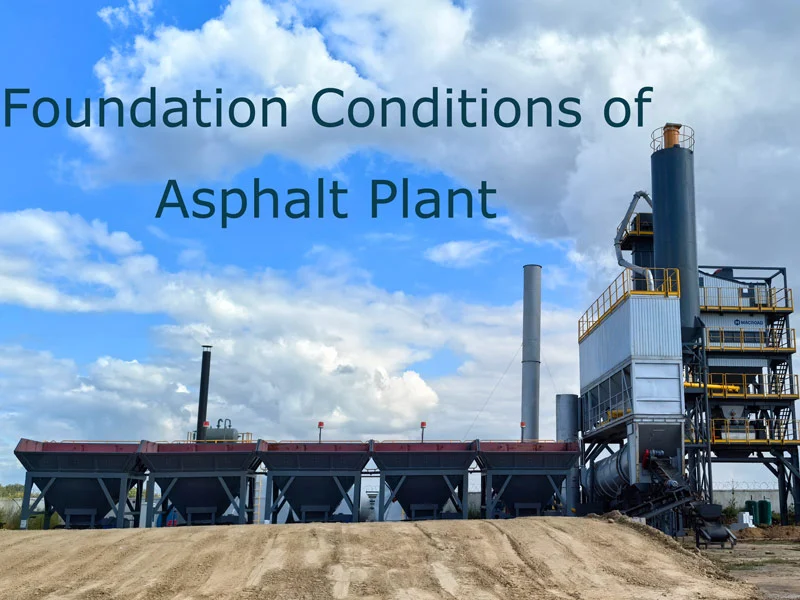
In asphalt mixing plant projects, differences in equipment operating conditions are often attributed to equipment model, configuration, or manufacturing level. Many projects perform normally in the initial stages of production, but as production intensity increases or operating time extends, problems such as fluctuations in accuracy and abnormal vibrations gradually emerge. At this point, people often focus on the equipment itself, neglecting an engineering variable that has existed from the beginning but has been underestimated for a long time—the foundation conditions.

The same set of equipment exhibits in operational stability, structural stress, and long-term reliability on different foundations, which are often not comparable. These differences are not accidental, but rather the result of the long-term interaction between foundation conditions and equipment structure. If the foundation variable is ignored, even if the equipment itself has no obvious defects, operational problems are often only a matter of time.
Foundations Matter More Than You Think: How to Read the Key Indicators
We know that the same equipment can perform drastically differently on different foundations: some equipment operates well initially but develops abnormal vibrations or decreased precision during continuous production; other equipment, even if initially stable on certain foundations, requires frequent adjustments over a long period. This isn’t due to a problem with the equipment itself, but rather because the foundation constantly changes during operation. These changes are imperceptible to the naked eye but subtly affect the structural stress and operational stability of the equipment—this is the essence of foundation issues.
To help you understand these effects more intuitively, we will analyze foundation changes from several key dimensions: load-bearing stability, settlement pattern, rate of change, vibration transmission, and predictability. Understanding these dimensions helps determine whether asphalt plant can maintain stable operation under different foundation conditions over the long term and provides a valuable reference for subsequent design and selection.
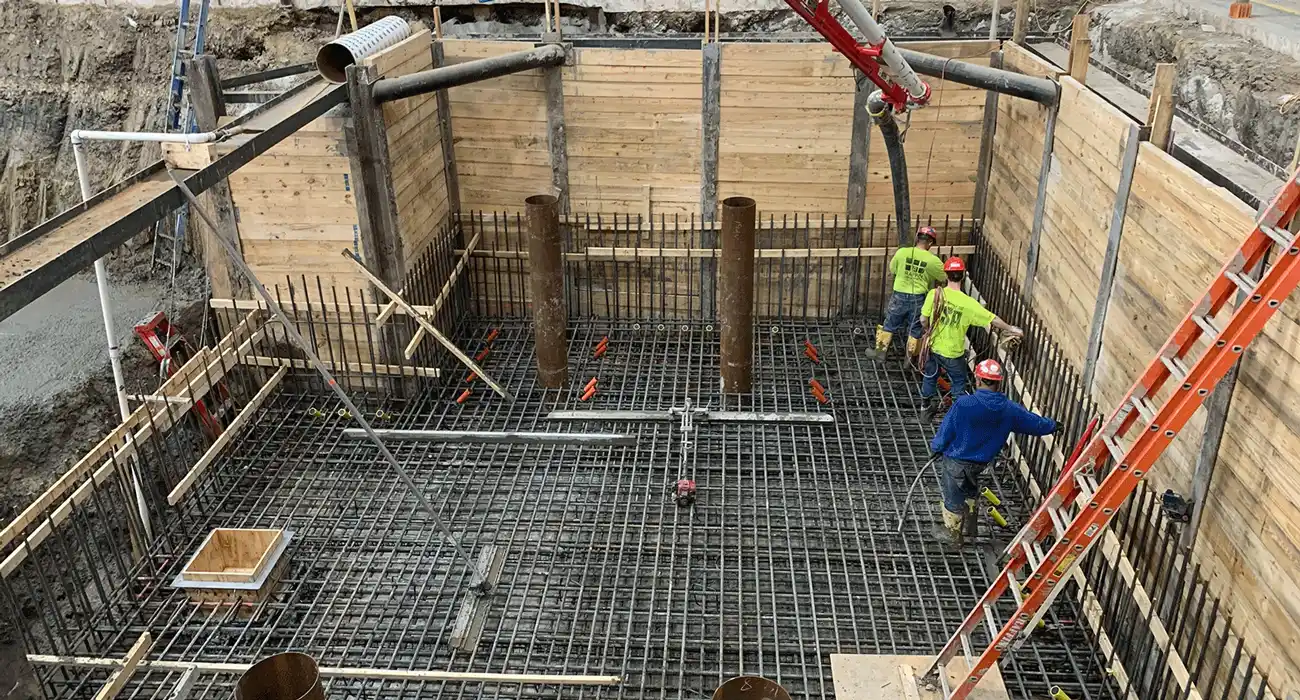
Dimension 1: Consistent Bearing Capacity of the Foundation
This dimension focuses on whether the foundation can maintain a relatively stable bearing capacity throughout the entire operating cycle of the equipment.
- Bearing redistribution changes: Under long-term dynamic loads, the stress distribution within the foundation may gradually adjust, causing changes in the bearing ratio in local areas, thus disrupting the original stress balance at the bottom of the equipment.
- Cumulative effect of repeated loads: Periodic loads from continuous production will cause gradual structural changes in the foundation materials. These changes will not be immediately apparent but will continuously affect the load-bearing foundation of the equipment.
- Local bearing capacity attenuation: When the bearing capacity of certain support areas decreases, the equipment structure will be forced to redistribute the load through other paths, increasing the stress risk under off-design conditions.
Dimension 2: Distribution characteristics and development path of foundation settlement
This dimension determines whether foundation changes directly interfere with the geometric state and structural alignment of the equipment.
- Settlement Distribution Differences: When the settlement amplitude varies across different areas of the foundation, the geometric relationship at the bottom of the equipment will be disrupted, directly affecting the overall horizontal state.
- Continuity of Settlement Development: Slow-onset settlement is more easily overlooked, but its impact accumulates over long-term operation and gradually transforms into structural displacement.
- Coupling Relationship between Settlement and Equipment Rigidity: When the space for structural adjustment of the equipment is limited, foundation settlement cannot be absorbed and can only be digested through structural deformation, thus amplifying the consequences.
Dimension 3: The Matching Degree between the Time Scale of Foundation Changes and the Rhythm of Equipment Operation
This dimension focuses on whether there is a structural conflict between foundation changes and the operating characteristics of the equipment.
- Difference between short-term stability and long-term change: The stable state of the foundation after installation is often only the starting point of its long-term change process, not the final state.
- Amplification effect of operating rhythm: High-frequency, continuous operation will continuously amplify the impact of foundation changes on the equipment, making originally slow changes more obvious at the equipment level.
- Deviation between design assumptions and actual operating conditions: If the equipment structure design is based on the assumption of unchanging foundation state, the time factor will become a hidden risk.
Dimension 4: How the foundation participates in vibration and dynamic stress
This dimension determines how the dynamic effects generated during equipment operation act on the structure.
- Vibration return path: Different foundation conditions will change the transmission path of vibration between the equipment and the foundation, thus affecting the way structural fatigue accumulates.
- Dynamic stress superposition effect: After the foundation participates in the vibration process, The stress state borne by the equipment structure is no longer from a single source, but rather a superposition of multiple factors.
- Long-term structural response differences: Different vibration participation modes will result in completely different structural response outcomes during long-term operation.
Dimension 5: Predictability of Foundation Changes and Equipment Compensation Space
This dimension determines whether the equipment has the opportunity to proactively absorb foundation changes through design.
- Identifiability of change trends: Predictable changes allow for buffering through structural design, while unpredictable changes require the equipment to have higher adaptability redundancy.
- Adjustment and correction possibilities: When foundation changes occur, whether the equipment has the space to restore equilibrium through structural adjustments is key to whether the risk can be controlled.
- Design tolerance boundary: The extent to which the equipment is allowed to deviate from the ideal foundation state directly determines its upper limit of stability under complex operating conditions.
These analyses reveal that the issue with the foundation lies not in its ability to support the equipment at once, but in the gradual emergence of subtle changes over time. Adjustments in load-bearing capacity affect the stress on the equipment’s base, uneven settlement patterns slowly alter its horizontal position, and misalignment between operating rhythm and foundation changes can lead to greater structural loads. Furthermore, the way vibrations are transmitted within the foundation influences the accumulation of structural fatigue. Understanding these principles helps in predicting the potential performance of equipment under different foundation conditions, providing greater direction in design and equipment selection.
Engineering Perspective for Asphalt Plants Foundation Types
In real-world projects, asphalt mixing plants are not built on ideal foundations but rather face a variety of real-world conditions. Some projects are located on rock formations or hardened concrete sites, such as the rock bed of Australian highways or platforms in Middle Eastern industrial parks; others are built on backfill or ordinary soil, commonly seen in newly developed logistics parks or urban expansion sites in Southeast Asia; still others are on soft soil foundations or in high-humidity environments, such as the river and lake mudflats along the Mekong Delta in Vietnam and coastal ports in Southeast Asia. These areas have soft soil, high groundwater levels, and are prone to long-term settlement; there are even temporary construction sites with short cycles and frequent relocations, such as mountain roads in the Philippines or expressway upgrade projects in Malaysia, which can bear load in the short term but have uncontrollable stability.
Before discussing equipment response strategies, it is essential to understand the characteristics of these foundations: rock formations are hard but have limited elasticity; the bearing capacity of backfill soil adjusts over time, making it prone to localized settlement; soft, high-humidity foundations are sensitive to moisture; and the foundations of temporary construction sites are uneven. Only by clearly understanding the foundation itself can subsequent discussions about risks, challenges, and design orientations be meaningful.

| Foundation Type | Composition & Origin | Structure & Material State | Natural Stability | Environmental Sensitivity | Consistency | Construction Controllability | Typical Engineering Characteristics |
|---|---|---|---|---|---|---|---|
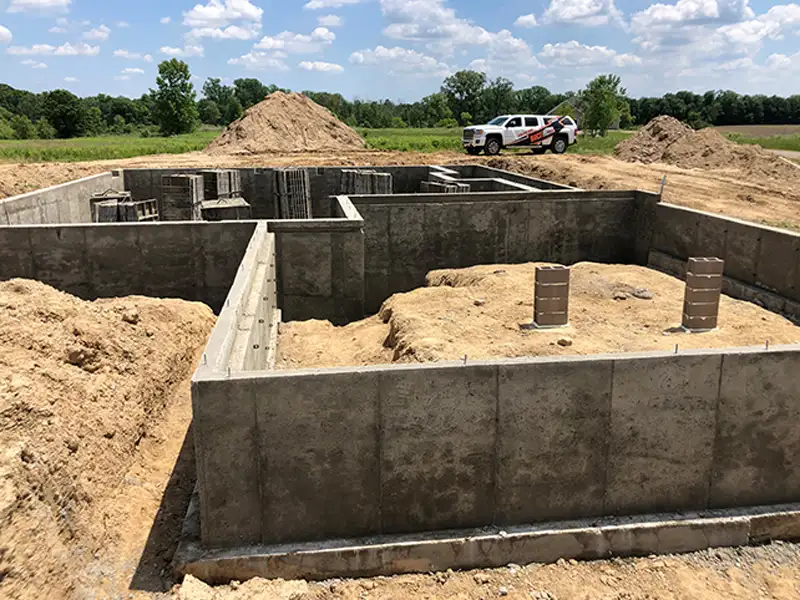
| Rock / Concrete Foundations | Natural rock layers or cast-in-place concrete | Dense, highly integrated | Very high | Low, insensitive to environmental changes | High | High | Ideal conditions, but requires precise structural rigidity matching |
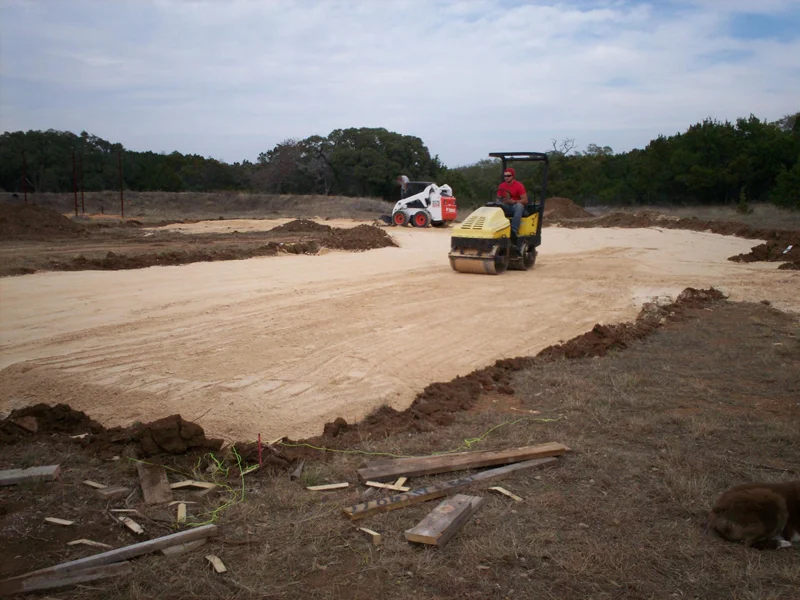
| Ordinary Soil / Compacted Fill | Native soil or engineered fill | Compaction depends on construction quality | Moderate | Moderate, affected by rainfall | Moderate | Medium | Most common, issues often appear during long-term operation |
| Soft Soil / High Moisture Areas | Silt, saturated clay | High water content, compressible | Low | High, sensitive to water table and climate | Low | Low | Significant long-term changes, both construction and operation are constrained |
| Temporary Construction Sites | Mixed fill, gravel, temporary laying | Heterogeneous, uneven structure | Very low | Very high | Very low | Very low | Construction schedule prioritized, stability unpredictable |
A clear understanding of these foundation types is the first step in planning an asphalt mixing plant project. Each foundation has its own characteristics—from hardness and stability to environmental sensitivity and consistency—which directly affect the installation and operational performance of the equipment. Before delving into specific construction challenges and design considerations, it is essential to recognize that the foundation itself is the foundation of the entire project. Understanding its characteristics helps engineers and project managers anticipate potential problems and provides a scientific basis for equipment selection and configuration.
Equipment Challenges and Design Strategies for Hard Ground Foundations
In various projects, hard foundations are the most common and also the most easily underestimated type of foundation condition. A monolithic rock bed or high-strength concrete foundation typically has a static bearing capacity of 500–800 kPa, sufficient to support the self-weight and initial load of a single 60–400 t/h asphalt mixing plant. However, precisely because of its high stiffness, elastic modulus of 25–30 GPa, and extremely small deformation space, dynamic effects generated during equipment operation, such as the vibration of the mixing host (frequency 8–15 Hz, acceleration up to 0.5–0.8 g), are often fully preserved and directly fed back to the equipment structure. This means that the stability of equipment on a hard foundation depends more on the rigidity distribution, stress redundancy, and connection methods of the equipment’s structural design than on the bearing strength of the foundation itself.
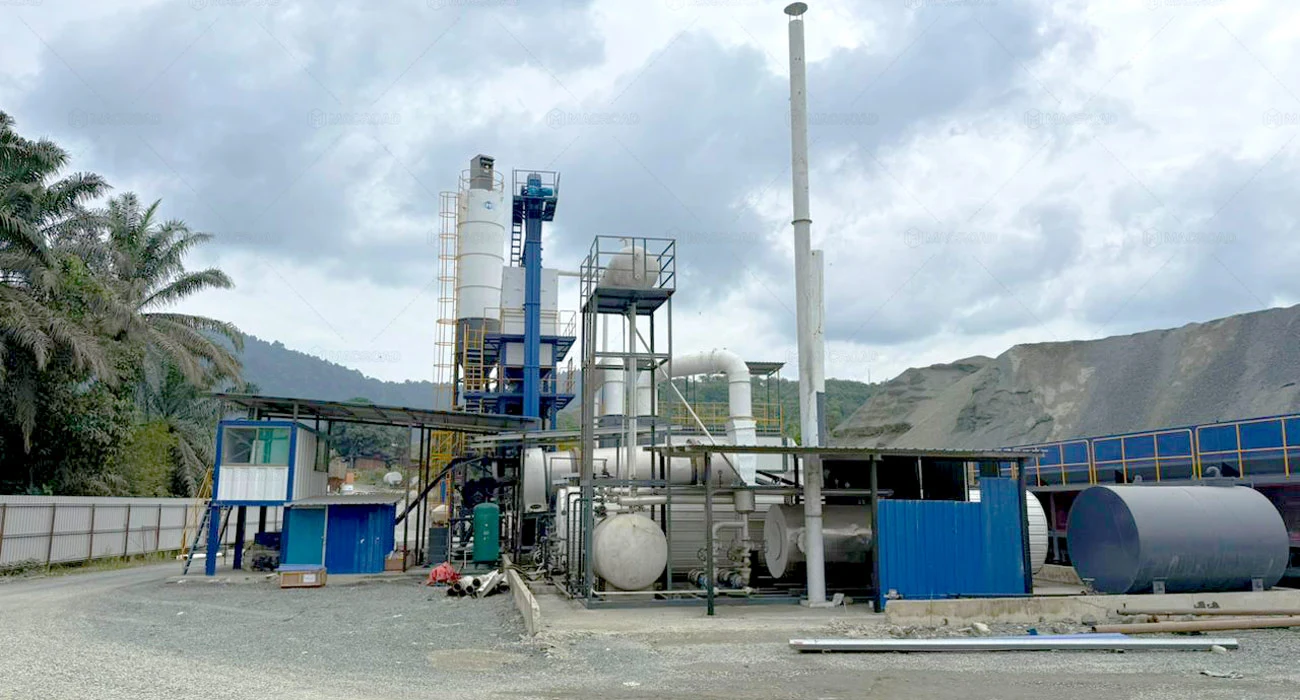
Differences in Foundation Characteristics of Hard Foundations
- Structural Integrity: Rock and monolithic concrete foundations exhibit strong integrity and high continuity, with minimal stiffness differences between different parts of the foundation, resulting in almost no usable elastic deformation space.
- Deformation and Buffering Capacity: During equipment operation, the foundation itself undergoes almost no perceptible deformation, making it unable to absorb dynamic loads, impacts, or vibration energy generated by the equipment through deformation.
- Mechanical Response Mode: Loads generated by equipment operation are directly borne by the foundation and rapidly transmitted back to the structure beneath the equipment, making the equipment the primary load-bearer for dynamic responses.
Practical Challenges Posed by Hard Foundations for Equipment Operation
- Amplified Risk of Stress Concentration: Because the foundation does not participate in buffering, load changes at local stress points, connection nodes, and support locations at the bottom of the equipment are continuously amplified, making stress concentration more likely over long-term operation.
- Vibration and Fatigue Accumulation Issues: Periodic vibrations generated by equipment operation are repeatedly transmitted under high-stiffness foundation conditions, leading to a significantly higher rate of structural fatigue accumulation compared to foundations with buffering capabilities.
- Initial installation errors are uncorrectable: When the foundation does not deform, minor imbalances formed during the installation phase are difficult to naturally resolve during subsequent operation, continuously affecting operational stability.
Corresponding key points in equipment structural design:
- Continuity and transition of load paths: The equipment structure needs to transmit forces step-by-step through multi-level structural units to avoid abrupt changes in stiffness between the bottom rigid structure and the main structure, reducing the direct superposition of dynamic loads.
- Dispersion and balancing of bottom supports: Through multi-point supports and a reasonable support layout, the operating load is distributed to different load-bearing paths, reducing the structural risks caused by long-term load-bearing at a single point.
- Adjustment and release capabilities of connection points: A certain amount of structural adjustment space should be reserved at key connection points, enabling the asphalt hot mix plant to self-correct its load state without relying on foundation deformation.
Macroad’s targeted design under hard foundation conditions:
- Graded load-bearing treatment of the structural base: Under high-rigidity foundation conditions, the equipment base uses a graded load-bearing structure to decompose the operating load into multiple load paths, reducing the risks caused by long-term load-bearing at a single structural unit.
- Continuous control of structural stiffness: By controlling the stiffness variation between the bottom structure and the upper main structure, the dynamic load will not be amplified due to abrupt changes in stiffness when the equipment is running on a hard foundation.
- Adjustment capability during installation and operation: The equipment structure is designed with the limited adjustment space under hard foundation conditions in mind. Through structural provisions and connection design, the equipment is guaranteed to be adjustable during installation and long-term operation.
Equipment Challenges and Design Considerations Under Normal Soil Conditions
Ordinary soil and backfilled soil foundations are the most common and easily underestimated type of foundation in asphalt mixing plant projects. These foundations are typically leveled and compacted, with a dry soil density of 1.8–2.0 t/m³ and a bearing capacity generally between 150–300 kPa. During equipment installation, they often appear relatively flat and stable, rarely revealing obvious problems in the early stages.
However, as the equipment enters a state of continuous, high-load operation, the soil within the foundation gradually undergoes structural adjustments under dynamic loads (vibration frequency of the mixing host 8–12 Hz, acceleration 0.3–0.6 g) and its own weight. Its bearing state and geometric relationships are not static. The average annual settlement of ordinary soil foundations is typically 5–15 mm/year, and in some areas may exceed 20 mm/year. This slow, locally uneven settlement will gradually disrupt the horizontal state of the equipment base. This is why many pieces of equipment operate normally in the early stages of production, but gradually develop abnormal vibrations, accuracy deviations, or require frequent adjustments after a period of time. These problems are most easily mistaken for insufficient performance of the equipment itself.
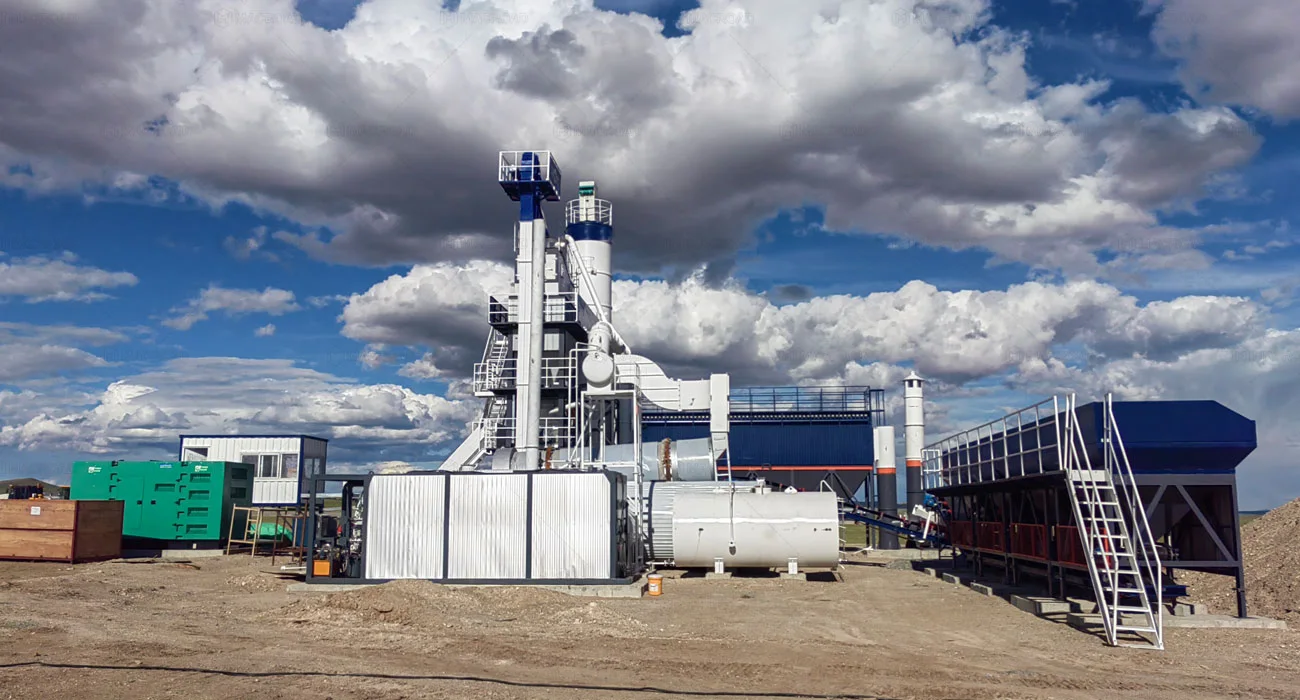
Challenges of Changing Foundation Bearing Capacity Over Time
In ordinary soil and backfilled soil foundations, after equipment commissioning, the internal soil structure gradually redistributes under the combined action of its own weight and operating loads. The stress state is not formed all at once but is continuously adjusted.
- Key Influence Paths:
- The foundation may appear stable in the initial operating phase, but this stability stems more from temporary stress equilibrium than from a fully formed soil structure.
- With continuous production, the internal stress relationships of the soil gradually adjust, and the actual load proportion borne by different support areas will shift.
- When the equipment structure lacks sufficient load-bearing redundancy, this change in load-bearing proportion will directly reflect inconsistencies in the equipment’s stress state.
- Macroad’s Corresponding Design: The bottom structure of the equipment considers the possibility of changes in load-bearing capacity during the design phase. Through multi-point support and distributed stress path design, the impact of a single support point on overall stability is reduced, allowing load-bearing changes to be absorbed more within the structure.
Geometric Misalignment Risk Due to Inevitable Local Settlement
Under ordinary soil and backfilled soil foundation conditions, local settlement is almost inevitable during long-term operation. This settlement often does not occur synchronously across the entire structure but gradually manifests as regional differences.
- Key Impact Paths:
- Due to differences in soil type, compaction degree, and stress, settlement rates vary significantly across different foundation areas, gradually disrupting the original geometric alignment of the equipment base.
- Even minor changes in the overall horizontal state of the equipment can have a cascading impact on the accuracy of the metering system, the stress on the transmission system, and the structural connection status.
- When the equipment structure lacks adjustment space, foundation settlement cannot be absorbed and can only be borne through passive structural deformation.
- Macroad’s Corresponding Design: Adjustable structures are reserved at key structural connections and supports, enabling the stationary asphalt mixing plants to perform secondary leveling and local correction during its operating cycle, preventing unavoidable foundation settlement from directly transforming into irreversible structural risks.
Accumulated Problems That Are Difficult to Detect in Time
Problems related to ordinary soil foundations often do not appear suddenly but accumulate gradually and continuously. These changes are extremely difficult to identify in the early stages through routine operational observation.
- Key Impact Paths:
- Individual changes in foundation condition are relatively small, making it difficult to capture their true trends in a timely manner through routine inspections and short-term monitoring.
- During long-term continuous operation, minute deviations and stress changes accumulate, ultimately manifesting as abnormal vibrations or decreased operational stability at the equipment level.
- By the time problems are clearly detected, the optimal window for reversible structural adjustment has often passed.
- Macroad’s Corresponding Design: By reducing the dependence on the long-term constancy of the foundation condition at the structural level, the equipment can maintain stable operation within a certain range of variations, delaying the rate at which foundation changes translate into equipment performance problems.
Amplification Effect of Uncertainty in Construction and Installation Conditions:
Under ordinary soil and backfilled soil foundation conditions, significant differences exist at construction sites, making it difficult to maintain complete consistency in foundation construction quality, compaction uniformity, and construction accuracy across different projects.
- Key Impact Paths:
- Initial foundation construction errors and subsequent operational settlement overlap, causing the foundation condition deviation to be continuously amplified over time.
- Seemingly acceptable minor deviations during installation gradually evolve into structural stress imbalances under long-term operational loads.
- When equipment lacks adjustment and correction capabilities, it will be forced to operate under suboptimal stress conditions for extended periods, accelerating structural fatigue accumulation.
- Macroad’s Corresponding Design: Considering the uncertainties of actual construction conditions during equipment installation and commissioning, the structural design allows for error correction within a certain range, reducing reliance on ideal foundation construction conditions and making the equipment more adaptable to the site.
Problems with ordinary soil and backfilled soil foundations rarely stem from a single, obvious instability event, but rather gradually emerge over long-term operation. Changes in load-bearing capacity, the accumulation of localized settlement, and differences in construction and installation stages all continuously alter the stress and alignment of the equipment over time. What truly determines the stable operation of equipment is not the perfection of the foundation, but rather whether the equipment possesses the space and leeway to cope with these changes.
Soft Soil & High-Moisture Regions: Long-Term Foundation Instability
Soft soil foundations and high-humidity areas are common in coastal areas, around rivers and lakes, industrial sites with high groundwater levels, and some construction sites with significant rainy seasons and limited drainage. These foundations often meet equipment installation requirements initially, but their soil structure is highly sensitive to changes in moisture, time, and load. The bearing capacity of soft soil and high-humidity foundations is typically 50–150 kPa, with an elastic modulus of approximately 5–15 MPa. Local annual settlement can reach 20–40 mm, and in extreme rainy seasons or under poor drainage conditions, local settlement may even exceed 50 mm.
During long-term equipment operation, the continuous evolution of this foundation condition can lead to decreased mixing accuracy, increased vibration in the conveying system, or stress shifting of the supporting structure. Statistical data shows that under soft soil foundation conditions, the equipment failure rate of asphalt mixing plants is 30–50% higher than that on hard foundations, mainly manifested as abnormal vibration, metering deviations, and frequent structural adjustments. Without targeted design measures, long-term operational stability cannot be guaranteed.
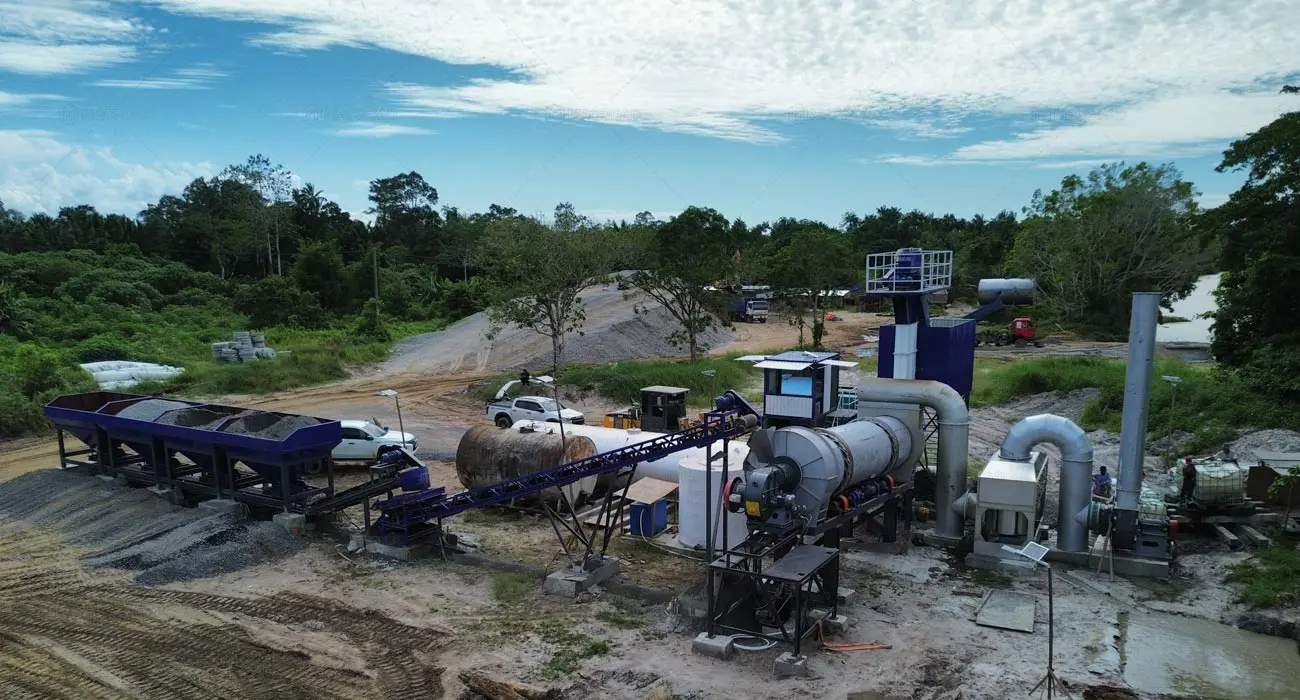
Therefore, the problem with soft soil foundations is usually not whether a station can be built, but whether it can maintain stable production in the long term after it is built. This requires the equipment to have higher adaptability in terms of base frame structure, support distribution, drainage management and connection buffer design.
Common Equipment Problems
| Localized settlement of the base causing horizontal displacement: | The bearing capacity of the foundation changes over time, and different settlement rates occur in different areas, disrupting the geometric alignment of the equipment bottom and causing uneven stress distribution in the mixing host and conveying system. |
| Slight structural deformation caused by long-term load: | Under continuous load, the soil undergoes slight compression and rearrangement, gradually adjusting the stress path of the base frame and support structure. Vibration gradually accumulates, reducing mixing accuracy. |
| Periodic effects of humidity and groundwater fluctuations: | Fluctuations in foundation moisture content or groundwater level cause phased changes in bearing capacity, resulting in periodic deviations in equipment operation, especially during the rainy season or in areas with poor drainage. |
| Slow changes are difficult to detect early: | Problems are not obvious in the early stages and are difficult to detect during routine inspections. By the time vibration or accuracy abnormalities appear, the structure has already entered a high-stress state, making adjustments more difficult. |
Macroad Design Response
Underframe Structure Design
- Distributed Load-Bearing Pressure: Multi-point support arrangement avoids concentrated loads at single points, reducing the impact of local settlement on the overall structure.
- Enhanced Overall Rigidity: Optimized underframe cross-section and connection methods prevent localized micro-deformations from being transmitted to the core structure, ensuring long-term equipment stability.
- Reinforcement Design: The underframe and support structures are designed with pre-existing load-bearing redundancy, allowing the equipment to maintain load balance even with minor soil deformation.
Drainage and Humidity Management
- Foundation Drainage System: Drainage ditches or collection pipes are placed in key load-bearing areas to reduce the impact of soil moisture fluctuations on bearing capacity.
- Foundation Waterproofing and Permeability Treatment: A waterproof and permeable layer is applied to the foundation surface to ensure relatively stable soil moisture around the foundation.
- Drainage and Underframe Coordination: Drainage design is coordinated with the equipment underframe to prevent direct water impact on support points, reducing periodic load variations.
Key Connections and Buffer Nodes
- Adjustable Point Design: Core structure connections allow for fine-tuning, absorbing settlement and micro-deformations to ensure the stability of key geometric relationships.
- Flexible Connection: Connectors are designed with allowance for minor displacement, allowing the structure to buffer long-term loads and settlement changes, reducing fatigue risk.
- Buffer Protection: Buffer components are installed at critical nodes to mitigate the impact of vibration and localized stress concentration on equipment accuracy.
Installation and Adjustment Space
- Secondary Leveling and Local Correction: The base frame and support design allows for fine-tuning after installation, quickly correcting settlement or foundation unevenness.
- Error Allowance: The design phase assumes minor foundation variations; these variations are absorbed by the structure, reducing reliance on foundation perfection.
- Convenient Adjustment: Adjustment interfaces are provided in key modules, allowing for rapid on-site corrections and ensuring long-term operational stability.
In soft soil foundations and high-humidity areas, subtle changes in the foundation often go unnoticed but can gradually affect equipment operation. Even if things are initially stable, settlement, compression, and humidity fluctuations can slowly disrupt the equipment’s stress balance. Through scientifically designed base frames, flexible adjustment spaces, reasonable drainage measures, and buffer connections, the equipment can adapt to these changes rather than passively bearing them. Ultimately, stability no longer depends on a perfect foundation but rather on the equipment’s own ability to absorb imperfections.
Temporary Sites: Not Permanent, Yet Never Insignificant
Temporary construction sites are often not geological foundations in the strict sense, but rather temporary foundations that have been leveled, backfilled, or simply compacted. The bearing capacity of these foundations is typically between 100–250 kPa, with a dry soil density of approximately 1.6–1.8 t/m³. Local settlement can reach 10–30 mm in the early stages of construction, and under high loads and continuous operation, cumulative settlement may exceed 50 mm. Although this may meet equipment installation requirements in the short term, the short construction period, insufficient soil settlement, and frequent changes in site conditions significantly increase the incidence of abnormal vibrations, fluctuations in metering accuracy, and frequent structural adjustments after equipment is put into operation. Statistics show that the incidence of equipment malfunctions under these sites can be 40–60% higher than under standard foundations.
While the foundation of a temporary construction site cannot be considered a natural foundation, it directly determines whether equipment can be successfully put into operation, maintain accuracy, and achieve long-term stability in actual projects. Therefore, for projects with frequent site relocation or temporary construction, equipment must possess rapid installation, rapid adjustment, and high fault tolerance capabilities to effectively mitigate the instability of the foundation.
Common Problems and Causes at Temporary Construction Sites
| Uneven Foundation Leading to Equipment Stress Deviation: | After compaction and backfilling, the density of temporary ground is uneven, resulting in significant differences in bearing capacity across different areas. After the equipment base is installed, some areas may bear excessive or insufficient loads, affecting the overall level and stability. |
| Rapid Installation and Frequent Relocation Increase Adjustment Difficulty: | Equipment needs to be installed or dismantled within a short period. Insufficient foundation preparation leads to significant on-site errors and limited space for equipment structural adjustments. Long-term operation can easily result in displacement or abnormal vibration. |
| Unpredictable Foundation Conditions: | Temporary construction sites are affected by weather, backfill materials, and construction methods. The soil bearing capacity may change over time. Periodic loads or vibration inputs can further amplify the impact of foundation changes on the equipment. |
| Inconsistent Settlement of Backfill Materials: | Backfill soil or gravel will slowly settle under long-term loads. Local height changes disrupt the original levelness of the base, affecting the accuracy of the conveying system and the main unit. |
How Macroad Copes with Changing Construction Sites
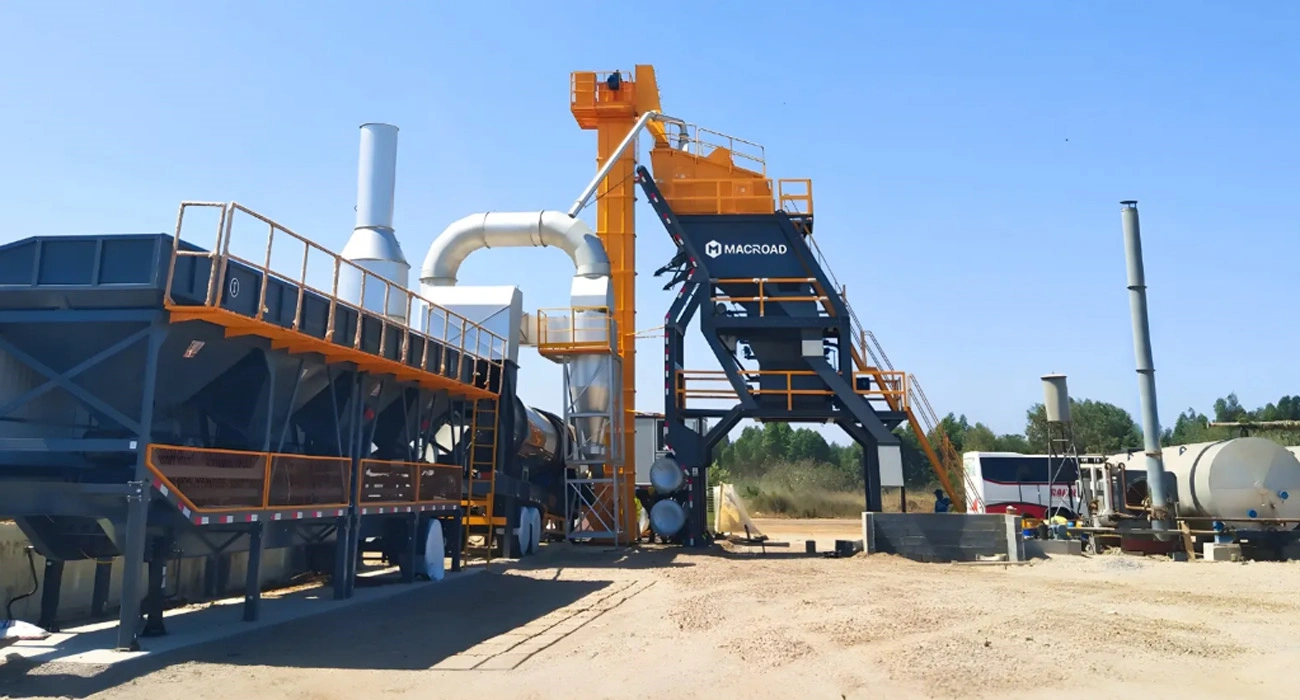
How does the equipment maintain level and stability in the face of uneven foundation load?
How to Deal with Horizontal Misalignment Caused by Backfill Material Settlement?
How to Reduce Error Risks with Rapid Installation and Short Cycles?
How to Maintain Equipment Adaptability During Frequent Site Relocations?
How to Avoid Localized High Stress Caused by Differences in Construction Quality?
In temporary construction sites, equipment often faces challenges from a combination of factors: uneven load-bearing capacity, settlement, humidity fluctuations, construction errors, and frequent relocation. While these issues may seem manageable individually, their combined impact on equipment stability can be amplified. Although many countermeasures, such as optimized underframe structure, adjustable supports, and buffer node design, have been addressed in various foundation types, in temporary construction sites, these measures must be used comprehensively and synergistically to ensure that equipment can quickly adapt to changing environments and operate stably over the long term.
Ground Conditions Vary — Your Equipment Decision Shouldn’t
Different projects present diverse foundation conditions, ranging from hard rock to soft, moist soil, and even temporary construction sites. Each type of foundation can have a unique impact on equipment operation. While we cannot change the foundation itself, the selection phase allows us to determine whether the equipment has sufficient adaptability, whether the structure offers redundancy and flexibility, and whether installation and commissioning allow for on-site fine-tuning. Rational equipment selection is key to ensuring long-term stable production.
Want your project to thrive even on complex foundations? Fill out the form below, and Macroad will tailor the most suitable asphalt mixing plant solution for you, ensuring a smooth and successful commissioning every time.