

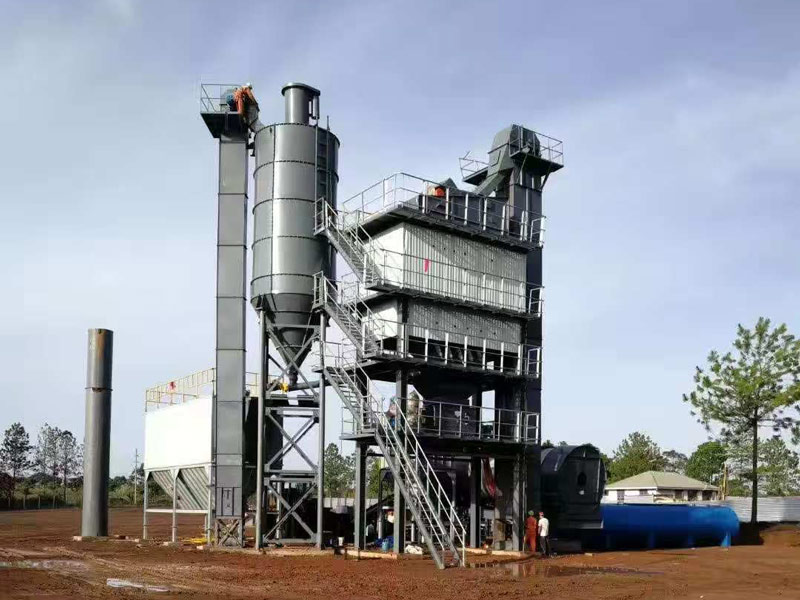
Variety of Production Capacity Models Available
Smart Control, Efficient Production
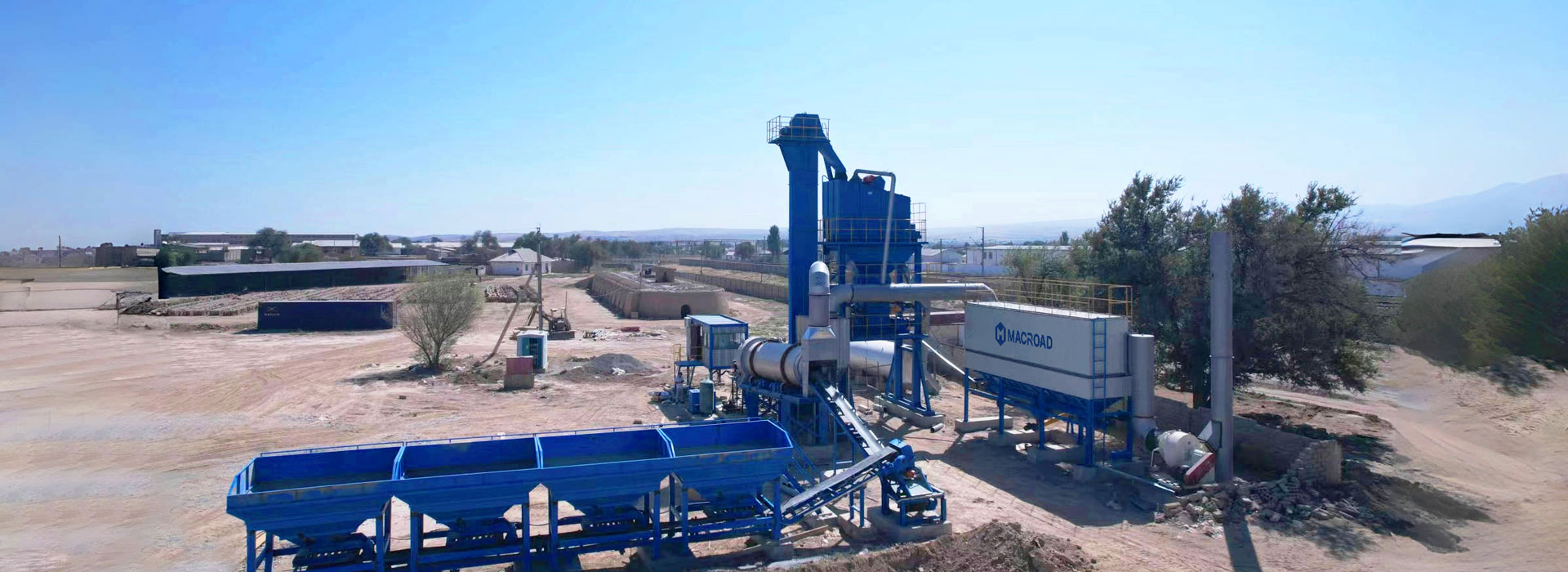
In Nigeria—whether on the bustling urban thoroughfares of Lagos or the highways connecting Abuja to its ports—a stable and efficient supply of asphalt is critical to the smooth advancement of any project. By selecting the right asphalt mixing plant, you not only ensure the timely and precise delivery of road construction materials but also significantly minimize construction delays and material waste, thereby safeguarding every investment. As infrastructure development continues to accelerate, efficient and reliable asphalt plants in Nigeria are becoming the very foundation of successful road engineering projects across Nigeria.
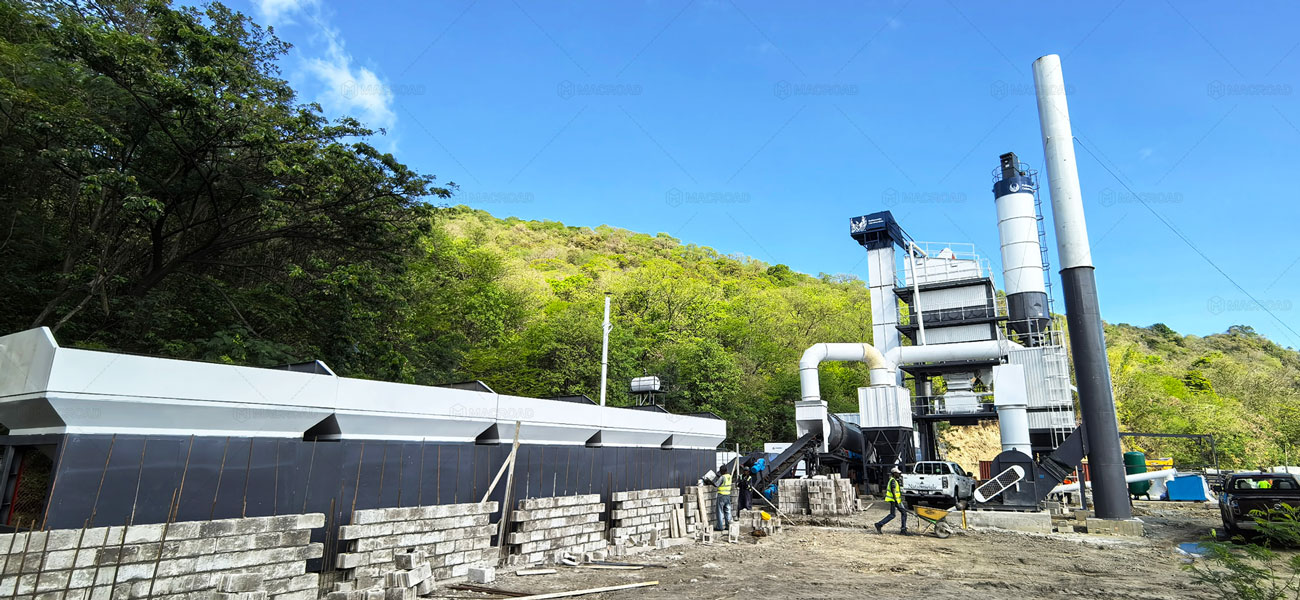
Understanding Asphalt Plant Requirements Through Different Road Projects
Different types of road engineering projects entail varying requirements for asphalt plant in Nigeria. Understanding these distinctions enables you to select the most suitable equipment with greater precision, thereby ensuring that every construction project proceeds more smoothly and efficiently. In the following section, we will examine four common categories of road projects in Nigeria to see what specific demands they place on asphalt mixing plants.
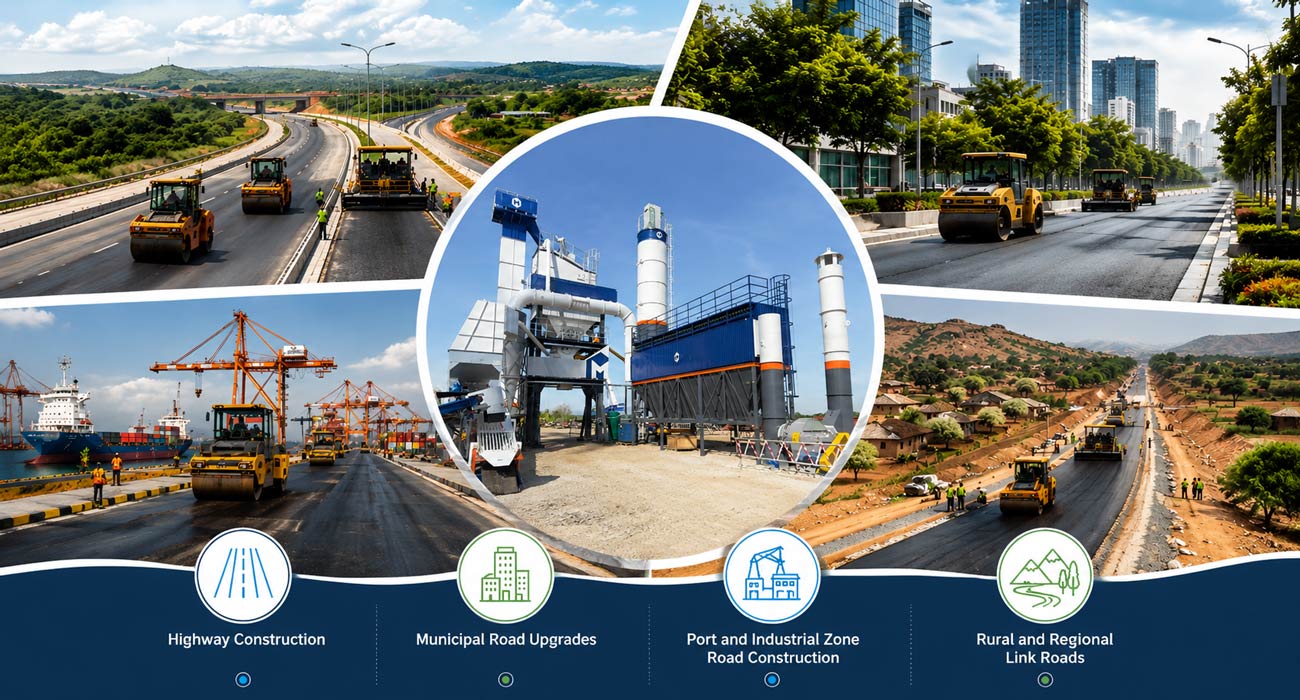
Highway Construction
- Current Project Examples: In recent years, Nigeria asphalt mixing plant market has invested heavily in the renovation and expansion of federal highways—notably the Lagos–Ibadan Expressway upgrade project and the Abuja–Kaduna Expressway construction project. These projects span long distances and handle heavy traffic volumes, placing high demands on construction continuity.
- Project Characteristics and Asphalt Mixing Plant Requirements: Highway construction requires high-capacity asphalt mixing plants capable of continuous material supply to ensure the consistency and quality stability of pavement laying. Furthermore, the equipment must be capable of withstanding prolonged, continuous operation within construction environments characterized by high temperatures and heavy dust.
Municipal Road Upgrades
- Current Project Examples: Urban road renovation projects are frequently undertaken in Lagos and Abuja—for instance, the Lagos City Center Road Improvement Plan and the Abuja Main Arterial Road Widening Project.
- Project Characteristics and Asphalt Mixing Plant Requirements: Municipal road construction is characterized by numerous, widely dispersed work sites and flexible construction schedules. Consequently, it typically requires mobile or modular mixing plants that can be rapidly dismantled, relocated, and reassembled while ensuring precise mix proportions to meet the demands of multi-site operations and frequent site transfers.
Port and Industrial Zone Road Construction
- Current Project Examples: Expansion projects at coastal ports in Nigeria—such as the Port of Lagos and the Port of Harcourt—as well as the construction of internal road networks within industrial parks, such as road paving projects in the industrial zones surrounding Abuja.
- Project Characteristics and Asphalt Mixing Plant Requirements: Roads within ports and industrial zones typically carry heavy-duty transport vehicles, necessitating high standards for pavement quality. Mixing plants for these projects must feature high-precision weighing systems and highly wear-resistant mixing capabilities to ensure the uniformity and stability of the asphalt mixture, while simultaneously meeting the demands for continuous production.
Rural and Regional Link Roads
- Current Project Examples: Construction projects for rural roads and inter-state link roads in the northern and eastern regions of Nigeria—such as regional road development initiatives like the Kano–Zoba route.
- Project Characteristics and Asphalt Mixing Plant Requirements: Construction for these roads often takes place in remote areas characterized by unstable power supplies and challenging transportation conditions. The equipment utilized must possess high mobility, be easy to operate, and support remote monitoring capabilities; furthermore, it must be capable of maintaining stable production output even in harsh environmental conditions to ensure that construction proceeds according to schedule.
Different types of road construction projects impose distinct requirements on asphalt plant in Nigeria: highways demand high production capacity and stable, continuous operation; municipal roads prioritize flexibility and mobility; roads within ports and industrial zones emphasize precision and durability; while rural roads test a plant’s adaptability and remote controllability. Understanding these distinctions enables you to select the most suitable asphalt plant for sale in Nigeria for each specific project type, ensuring smoother and more efficient construction operations while maximizing the value of your investment.
Choosing the Right Equipment for Smoother Construction
To assist Nigerian contractors and construction teams in better meeting project requirements, Macroad offers a range of targeted and categorized asphalt hot mix plant solutions. Whether your needs involve high-capacity, continuous-supply highway projects or flexible, agile municipal and rural road construction, we can provide the ideal equipment options to make your construction operations more efficient and hassle-free.
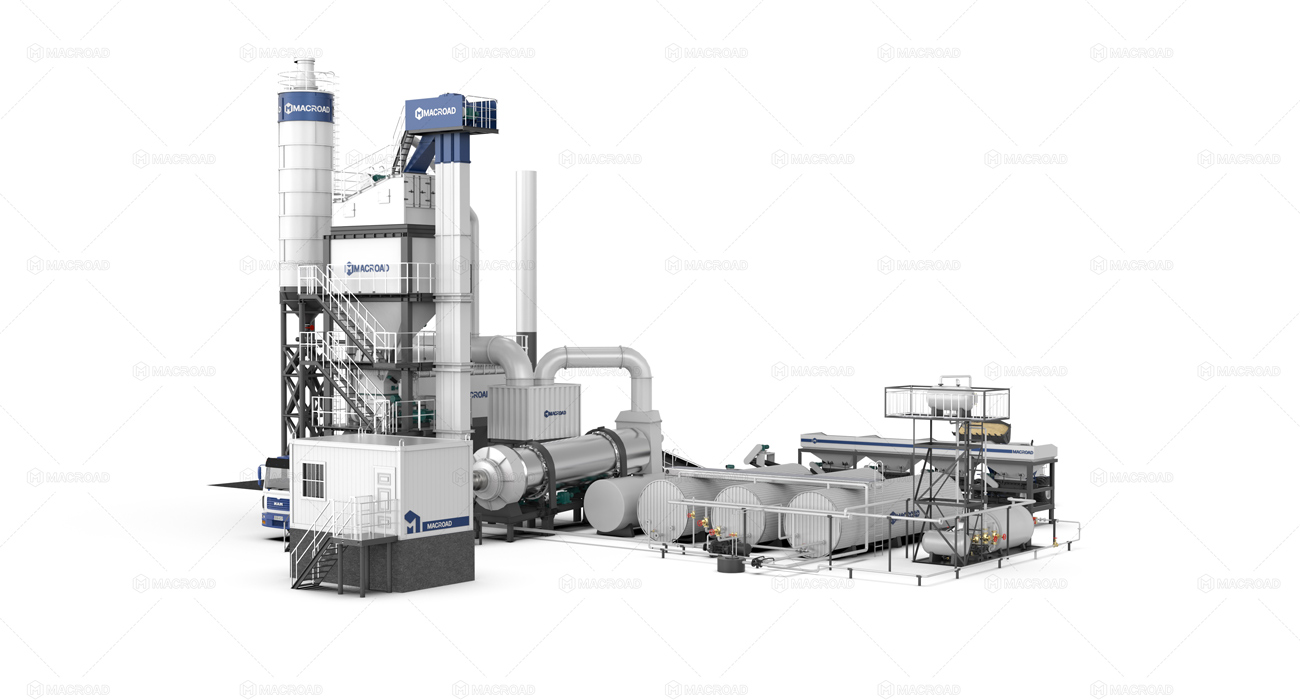
Batch Mix Asphalt Mixing Plant
The asphalt batching plant is ideal for large- and medium-scale centralized construction projects, such as highways, airport roads, and port expansion works. Its core advantage lies in high-precision batching and uniform mixing, ensuring stable and reliable pavement quality.
- Precise Batching: High-precision control over the proportioning of aggregates, mineral fillers, and asphalt ensures greater uniformity in pavement quality.
- High Output Capacity: Possesses strong continuous production capabilities to meet the demands of large-scale paving areas.
- Stable & Durable: Features a wear-resistant design that reduces the frequency of maintenance downtime, thereby guaranteeing construction continuity.
- Intelligent Operation: Supports one-touch operation and automated control systems, allowing teams to manage the production process with ease.
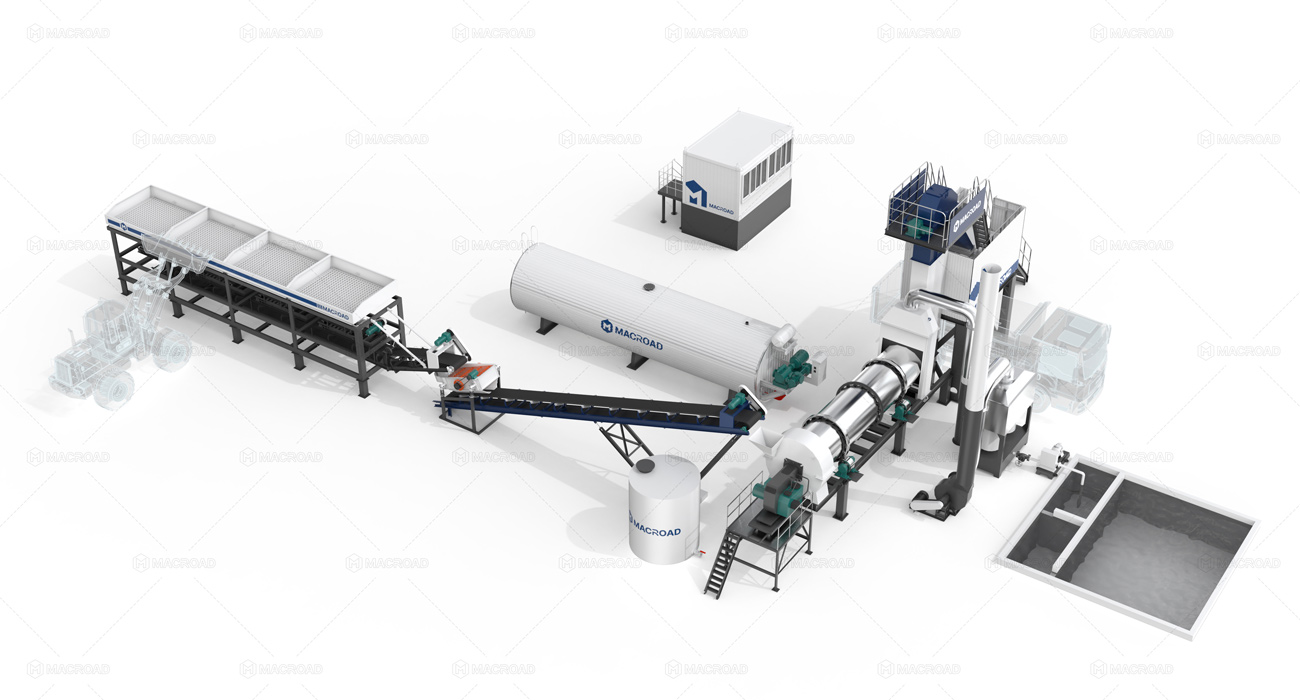
Drum Mixing Asphalt Mixing Plant
The drum mix plant is better suited for road projects involving long-distance, continuous paving, as well as road construction within large industrial zones. Its key advantages include a compact structural design and high production efficiency, alongside the ability to adapt to high-temperature and dust-heavy construction environments.
- Rapid Mixing: Continuous drum mixing enhances mixing efficiency and shortens the overall construction cycle.
- High-Temperature Tolerance: Designed to withstand Nigeria’s high-temperature climate, ensuring consistent and stable output.
- Energy-Efficient: Features an optimized heating system that reduces energy consumption and lowers operating costs.
- Easy Maintenance: Key components have been upgraded with wear-resistant materials, minimizing downtime and maintenance expenses.
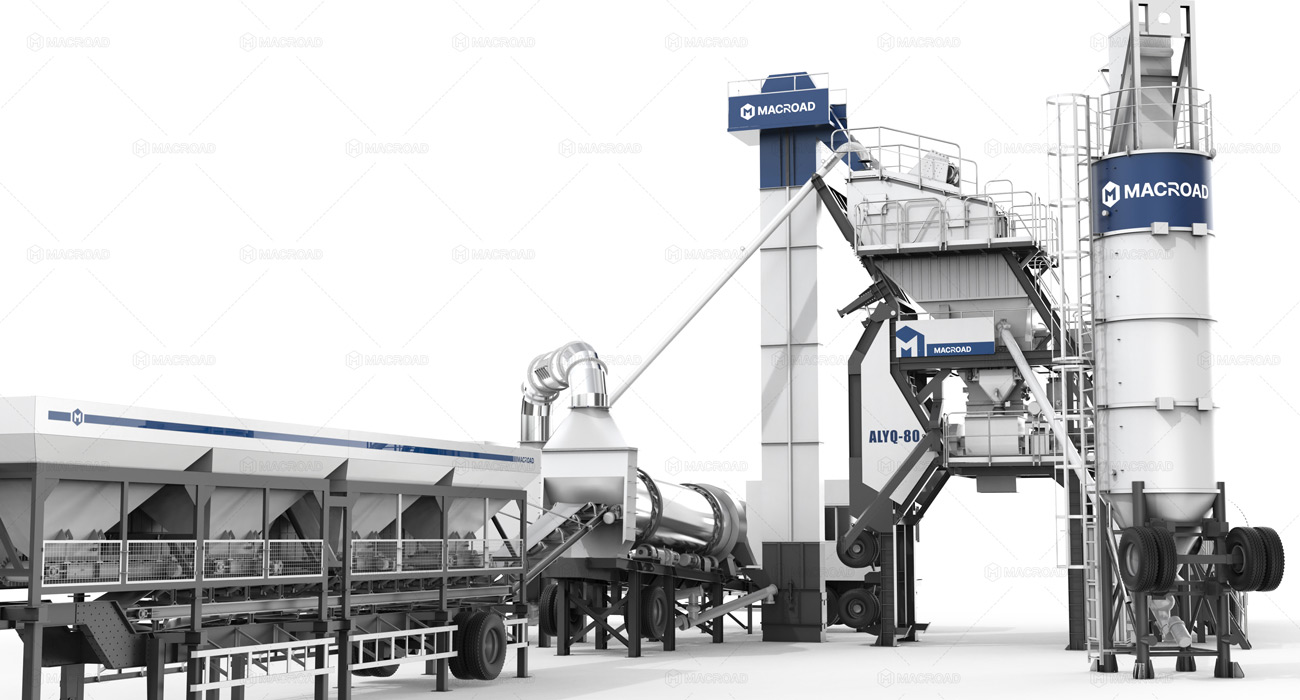
Mobile Asphalt Mixing Plant
The mobile asphalt mixing plant is specifically designed for projects involving municipal roads, remote rural routes, and dispersed construction sites, offering a solution characterized by rapid installation, flexible mobility, and convenient operation.
- Rapid Deployment: Features a modular design that allows for complete relocation, installation, and commissioning within just 24 hours.
- Flexible Relocation: Can be easily transported to different construction sites, thereby reducing transportation and logistics costs.
- Automated Control: Equipped with remote monitoring and intelligent batching systems to ensure simpler and more reliable operation.
- Labor-Saving: Features a high degree of automation, reducing the reliance on the extensive experience of operating personnel.
Whether you are constructing highways, urban municipal roads, or roads in rural and industrial zones, selecting the appropriate Macroad asphalt plant in Nigeria will make your construction operations more efficient and hassle-free.
Our stationary asphalt batch mix plants for sale in Nigeria ensure continuous and seamless operations for large-scale projects; our drum mix plants guarantee stable and reliable performance for long-distance paving; and our mobile plants enable you to effortlessly handle multi-site and dispersed construction tasks. By matching your needs with the most suitable equipment, you not only save on time and labor costs but also ensure consistent quality for every road—allowing every project to proceed smoothly while maximizing your return on investment.
Parameters
| Model | ALQ40 | ALQ60 | ALQ80 | ALQ100 | ALQ120 | ALQ160 | ALQ200 | ALQ240 | ALQ320 |
|---|---|---|---|---|---|---|---|---|---|
| Output(t/h) | 40 | 60 | 80 | 100 | 120 | 160 | 200 | 240 | 320 |
| Cold Aggregate Feeding System | 4×4.5m³ | 4×6.5m³ | 4×8m³ | 4×8m³ | 5×9m³ | 5×12m³ | 5×12m³ | 5×12m³ | 6×15m³ |
| Hopper Capacity(m³) | 4*4.5 | 4*6.5 | 4*8 | 4*8 | 5*9 | 5*12 | 5*12 | 5*12 | 6*15 |
| Collect Belt Capacity(t/h) | 60 | 80 | 100 | 120 | 140 | 200 | 220 | 280 | 360 |
| Dryer Size(m) | φ1.2*5.2 | φ1.5*6 | φ1.5*6.7 | φ1.65*7 | φ1.8*8 | φ2.2*9 | φ2.6*9 | φ2.6*9.5 | φ2.8*10.2 |
| Dryer Capacity (t/h) | 60 | 80 | 100 | 120 | 140 | 180 | 240 | 260 | 360 |
| Fuel Max Consumption(kg/h) | 300 | 450 | 550 | 700 | 950 | 1200 | 1400 | 1700 | 2250 |
| Vibrating Screen(Layer) | 4 | 4 | 4 | 4 | 4 | 5 | 5 | 5 | 6 |
| Aggregate Metering hopper(kg) | 500 | 800 | 1000 | 1250 | 1500 | 2000 | 2500 | 3000 | 4000 |
| Mineral Flour Metering hopper (kg) | 120 | 150 | 200 | 200 | 300 | 300 | 320 | 600 | 700 |
| Bitumen Metering hopper (kg) | 100 | 120 | 150 | 150 | 250 | 250 | 250 | 480 | 500 |
| Weighing accuracy | aggregate:±0.5% Mineral Flour:±0.25% Bitumen:±0.25% | aggregate:±0.5% Mineral Flour:±0.25% Bitumen:±0.25% | aggregate:±0.5% Mineral Flour:±0.25% Bitumen:±0.25% | aggregate:±0.5% Mineral Flour:±0.25% Bitumen:±0.25% | aggregate:±0.5% Mineral Flour:±0.25% Bitumen:±0.25% | aggregate:±0.5% Mineral Flour:±0.25% Bitumen:±0.25% | aggregate:±0.5% Mineral Flour:±0.25% Bitumen:±0.25% | aggregate:±0.5% Mineral Flour:±0.25% Bitumen:±0.25% | aggregate:±0.5% Mineral Flour:±0.25% Bitumen:±0.25% |
| Mixer Capacity(kg) | 500 | 800 | 1000 | 1250 | 1500 | 2000 | 2500 | 3000 | 4000 |
| Cycle Time(s) | 45 | 45 | 45 | 45 | 45 | 45 | 45 | 45 | 45 |
| Dust filter (Bag dust filter) | |||||||||
| Filter Area(m2) | 230 | 300 | 420 | 480 | 550 | 650 | 700 | 1050 | 1350 |
| Draught Fan(kw) | 22 | 30 | 45 | 55 | 90 | 110 | 2*75 | 2*90 | 2*110 |
| Asphalt Temperature (⊥) | 140-180 | 140-180 | 140-180 | 140-180 | 140-180 | 140-180 | 140-180 | 140-180 | 140-180 |
| Model | ALT20 | ALT40 | ALT60 | ALT80 | ALT100 | ALT120 | ALT160 |
|---|---|---|---|---|---|---|---|
| Output (t/h) | 20 | 40 | 60 | 80 | 100 | 120 | 160 |
| Power Fuel Oil(kw) | 34 | 65 | 105 | 135 | 170 | 200 | 300 |
| Cold Aggregate Feeding System | 3.5m3*1 | 4m3*4 | 4m3*4 | 6.5m3*4 | 6.5m3*4 | 6.5m3*4 | 6.5m3*4 |
| Finished Asphalt Storage Bin (m³) | 2 | 2.5 | 4.5 | 5 | 7 | 7 | 10 |
| Asphalt Temperature (℃) | 120-180 | ||||||
| Fuel Consumption Fuel Oil (kg/t) | 5-7.5 | ||||||
| Fuel Consumption Burning Coal(kg/t) | 13-15 | ||||||
| Asphalt Tank (m³) | 10 | 20 | 30 | 30 | 35 | 35 | 35 |
| Option | Bag dust collector/water dust collector | ||||||
| Model | ALYQ60 | ALYQ80 | ALYQ100 | ALYQ120 |
|---|---|---|---|---|
| Output (t/h) | 60 | 80 | 100 | 120 |
| Hopper Capacity(m³) | 4*6.5 | 4*7.5 | 4*7.5 | 4*7.5 |
| Collect Belt Capacity (t/h) | 80 | 100 | 120 | 140 |
| Dryer Size(m) | φ1.5*6 | φ1.5*6.7 | φ1.65*7 | φ1.8*8 |
| Dryer Capacity(t/h) | 80 | 100 | 120 | 140 |
| Fuel Max Consumption(kg/h) | 450 | 550 | 700 | 950 |
| Mixing Tower(kW) | 54 | 63.5 | 104.5 | 125 |
| Vibrating Screen (Layer) | 4 | 4 | 4 | 4 |
| Aggregate Metering hopper(kg) | 800 | 1000 | 1300 | 1500 |
| Mineral Flour Metering hopper(kg) | 150 | 200 | 200 | 300 |
| Bitumen Metering hopper(kg) | 120 | 150 | 150 | 250 |
| Weighing accuracy | aggregate:±0.5% Mineral Flour:±0.25% Bitumen:±0.25% | aggregate:±0.5% Mineral Flour:±0.25% Bitumen:±0.25% | aggregate:±0.5% Mineral Flour:±0.25% Bitumen:±0.25% | aggregate:±0.5% Mineral Flour:±0.25% Bitumen:±0.25% |
| Mixer Capacity(kg) | 800 | 1200 | 1300 | 1700 |
| Cycle Time(s) | 45 | 45 | 45 | 45 |
| Filter Area(m2) | 370 | 420 | 480 | 510 |
| Draught Fan (kw) | 30 | 45 | 55 | 90 |
| Asphalt Temperature (⊥) | 140-180 | 140-180 | 140-180 | 140-180 |
| Total power(kw) | 200 | 300 | 350 | 380 |
| Model | ALYT20 | ALYT40 | ALYT60 | ALYT80 | ALYT100 | ALYT120 |
|---|---|---|---|---|---|---|
| Output (t/h) | 20 | 40 | 60 | 80 | 100 | 120 |
| Power Fuel Oil(kw) | 34 | 65 | 105 | 135 | 170 | 200 |
| Cold Aggregate Feeding System | 3.5m3*1 | 4m3*4 | 4m3*4 | 6.5m3*4 | 6.5m3*4 | 6.5m3*4 |
| Finished Asphalt Storage Bin (t) | 2 | 2.5 | 4.5 | 5 | 7 | 7 |
| Asphalt Temperature (℃) | 120-180 | 120-180 | 120-180 | 120-180 | 120-180 | 120-180 |
| Fuel Consumption Fuel Oil (kg/t) | 5-7.5 | 5-7.5 | 5-7.5 | 5-7.5 | 5-7.5 | 5-7.5 |
| Fuel Consumption Burning Coal(kg/t) | 13-15 | 13-15 | 13-15 | 13-15 | 13-15 | 13-15 |
| Asphalt Tank (t) | 10 | 20 | 30 | 30 | 35 | 35 |
| Option | bag dust collector / water dust collector | bag dust collector / water dust collector | bag dust collector / water dust collector | bag dust collector / water dust collector | bag dust collector / water dust collector | bag dust collector / water dust collector |
Make the Equipment Fit the Site, Not the Site Fit the Equipment
In road construction projects in Nigeria, the construction environments, project types, and operating conditions often exhibit significant diversity. To ensure stable asphalt plant in Nigeria operation across these varied scenarios, Macroad has implemented comprehensive optimizations and adjustments to its system design, specifically tailored to actual field conditions.
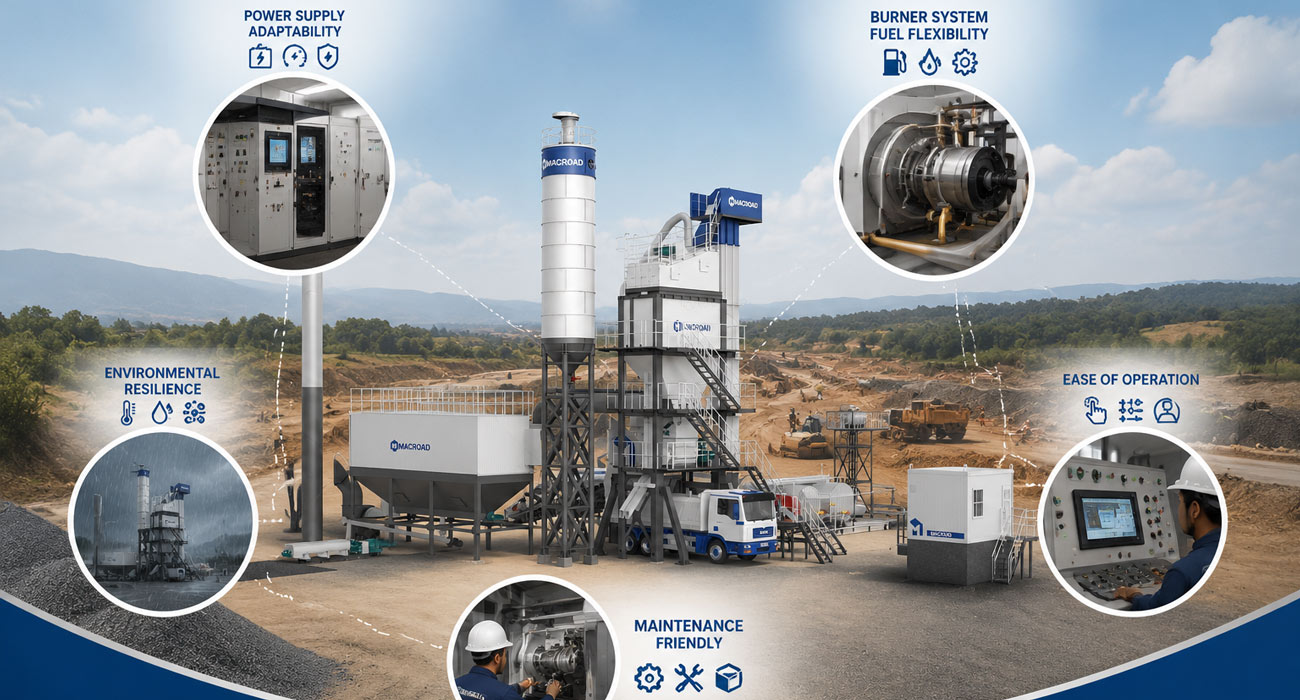
These adjustments go beyond mere single-function enhancements; rather, they represent a holistic adaptation centered on genuine construction requirements. This approach enables the asphalt plant to operate more smoothly across diverse projects while simultaneously helping construction teams mitigate uncertainties.
Requirements for Operational Continuity Amidst Power Supply Fluctuations
In certain construction projects, on-site power supply conditions may vary depending on the specific construction phase or geographical zone. This places specific demands on the continuous operational capability of an asphalt mixing plant, as the production process typically requires a relatively stable energy input.
Macroad’s Adaptation and Optimization Solutions
- Wide Voltage Adaptation Design: Key modules are designed to maintain their fundamental operational logic even during power fluctuations, ensuring that continuous production is not interrupted by minor voltage variations.
- Tiered Protection Mechanism: When power conditions change, the system automatically adjusts the load across different modules to minimize any impact on overall production output.
- Stabilized Control Strategy: Through optimized control algorithms, the equipment maintains a consistent and stable output during prolonged periods of continuous operation.
Requirements for Burner System Adaptability Amidst Diversified Fuel Sources
In practical construction scenarios, fuel sources may vary depending on regional supply availability. This places specific demands on the adaptability of the burner system, as different fuels can exhibit significant differences in calorific value and combustion efficiency.
Macroad’s Adaptation and Optimization Solutions
- Optimized Combustion Control Logic: Combustion parameters are automatically adjusted based on the specific characteristics of the fuel being used, ensuring flame stability and balanced thermal energy output.
- Thermal Efficiency Balancing Design: Even when there are variations in the fuel’s calorific value, the equipment maintains a consistent and stable heating performance.
- Combustion Stability Monitoring: The system monitors combustion status in real-time and automatically fine-tunes parameters to ensure the consistent quality of the asphalt mixture.
Requirements for System Stability in Alternating High-Temperature and High-Humidity Environments
Across different regions and seasons in Nigeria, temperature and humidity levels can fluctuate significantly. These environmental conditions impose rigorous stability requirements on the equipment’s thermal systems and its ability to control the physical state of the raw materials.
Macroad’s Adaptation and Optimization Solutions
- Optimized Drying System Thermal Efficiency: The aggregate heating process remains uniform and consistent, ensuring that the materials enter the subsequent mixing stages in a stable and ready state.
- Optimized Conveying and Storage Structures: Designed to minimize the impact of environmental changes on the temperature and moisture content of the aggregates, thereby safeguarding continuous production.
- Integrated System Coordination: All subsystems operate in seamless coordination to maintain a steady production rhythm, ensuring that output remains unaffected even when environmental conditions fluctuate.
Requirements for Operational Consistency Amidst Varying Operator Skill Levels
In different construction projects, the experience levels of the operating personnel may vary significantly. This places specific demands on the consistency of equipment operation and the stability of production output; consequently, the degree to which the equipment’s operation is simplified becomes a critical factor.
Macroad’s Optimization Enhancements
- Integrated Intelligent Control Interface: Key production parameters are consolidated to enable one-touch start-and-stop functionality, making operations more intuitive and user-friendly.
- Multi-Mode Operation Support: An automatic mode minimizes the need for human intervention, while a manual mode provides ample flexibility for fine-tuning adjustments.
- Streamlined Operational Workflow: The number of critical operational steps has been reduced, making it easier for operators of varying experience levels to maintain production consistency.
The Need for Continuous Equipment Maintenance Amidst Spare Parts Supply Lead Times
In construction projects located far from manufacturing hubs, the lead time for obtaining equipment spare parts can be significantly impacted by transportation conditions; consequently, the ease of maintenance and the overall durability of the equipment become paramount.
Macroad’s Optimization Enhancements
- Enhanced Durability of Critical Components: The service life of wear parts has been extended, thereby reducing construction downtime caused by frequent replacements.
- Modular Design: The replacement process for critical components has been simplified, making on-site maintenance significantly more convenient.
- Standardized Parts System: The complexity of spare part inventory has been reduced, accelerating both the supply and replacement processes.
Through systematic optimization tailored to varying construction conditions, Macroad asphalt plant in Nigeria integrate seamlessly into actual operational workflows across Nigeria’s diverse road construction landscapes. These design enhancements go beyond mere single-function improvements; they represent a holistic adjustment centered on the on-site user experience, ensuring the equipment maintains stable performance across a wide spectrum of power supply conditions, operating environments, and maintenance scenarios.
For you, this translates into easier equipment management and a more consistent production pace as your project advances. It also renders your construction schedule more predictable and controllable, thereby allowing you to focus your energy on the progress of the engineering project itself, rather than on the uncertainties of equipment operation.
Tailored Solutions for Perfect Fit with Construction Conditions
Imagine the difference in user experience for the very same asphalt plant for sale in Nigeria—whether deployed in the hot, humid coastal regions of southern Nigeria or in its arid, remote northern territories.
We have previously introduced the various types of Macroad equipment; the next step is to match these devices according to the specific characteristics of each region. By selecting equipment tailored to the unique features of each locality, we ensure that the machinery operates more smoothly at every job site, enabling construction teams to effortlessly control the pace of work while simultaneously reducing operational and managerial burdens.
| Region | Project Characteristics | Climate Features & Impact on Equipment | Recommended Equipment & Selection Focus |
|---|---|---|---|
| Southern Region (Lagos, Delta, Rivers, Anambra) | Economically most active, dense contracts for urban roads and port/industrial roads; high concentration of Chinese contractors and large local construction companies | High temperature and high humidity year-round; annual rainfall 1500-3000mm; long rainy season (Apr–Oct); aggregate moisture content generally high, increasing dryer system energy consumption by 15-25% compared to dry regions; Delta and Rivers States have complex terrain and dense waterways, requiring advance planning for large equipment access | Intermittent batch mix asphalt plants 80–160t/h as main model; mobile equipment recommended for complex, dispersed sites; corrosion-resistant steel structures (galvanized or anti-rust coating); dust collection system with moisture protection to prevent bagging during rainy season |
| Central Region (Abuja, Kogi, Niger, Benue) | Political center, high concentration of federally funded road projects; strict government procurement standards; large-scale projects | Moderate climate; distinct wet and dry seasons; dry season dusty but less extreme than the north; undulating terrain around Abuja with rapid urban expansion | Intermittent batch mix asphalt plants 160–320t/h to meet large-scale project output; control system with production reporting and mix accuracy for government inspection; emphasize equipment compliance with BS EN standards due to British technical standards in federal road projects |
| Northern Region (Kano, Kaduna, Katsina, Sokoto) | Industrial cities concentrated; ongoing maintenance of oil pipeline and mining transport roads; projects often remote with extreme climate | Dry, high temperature (Nov–Apr up to 40–45°C); frequent dust storms (Dec–Feb) with very low visibility and high suspended dust concentration; short but intense rainy season (Jun–Sep) causes rapid aggregate moisture changes | Intermittent-type equipment is recommended. Additionally, the dust removal system should be fitted with pre-filters at the air inlets to prevent the backflow of sand and dust. Heavy oil is recommended as the preferred fuel source. The electrical control cabinet requires an industrial-grade air conditioning unit. Finally, the sealing of the aggregate elevator should be reinforced to prevent sand and dust from entering the bearings. |
| Northeastern Region (Borno, Adamawa) | Remote construction conditions, mainly connecting highways between towns | Dry and hot climate, limited rainfall in some areas; transportation and spare parts supply may be constrained | Mobile or drum-type equipment for flexible deployment; durability and lifespan of key components enhanced; modular design for easy transport and installation; remote monitoring system to manage operations in remote sites |
Macroad Field Applications in Similar Working Environments
In actual projects across different countries and regions, asphalt mixing plants often face varying climatic conditions, construction schedules, and engineering standards. Through practical experience in multiple international projects, Macroad equipment has achieved stable operation in high-temperature, high-humidity, and dusty environments like those in Nigeria, and has accumulated relatively mature adaptation solutions.
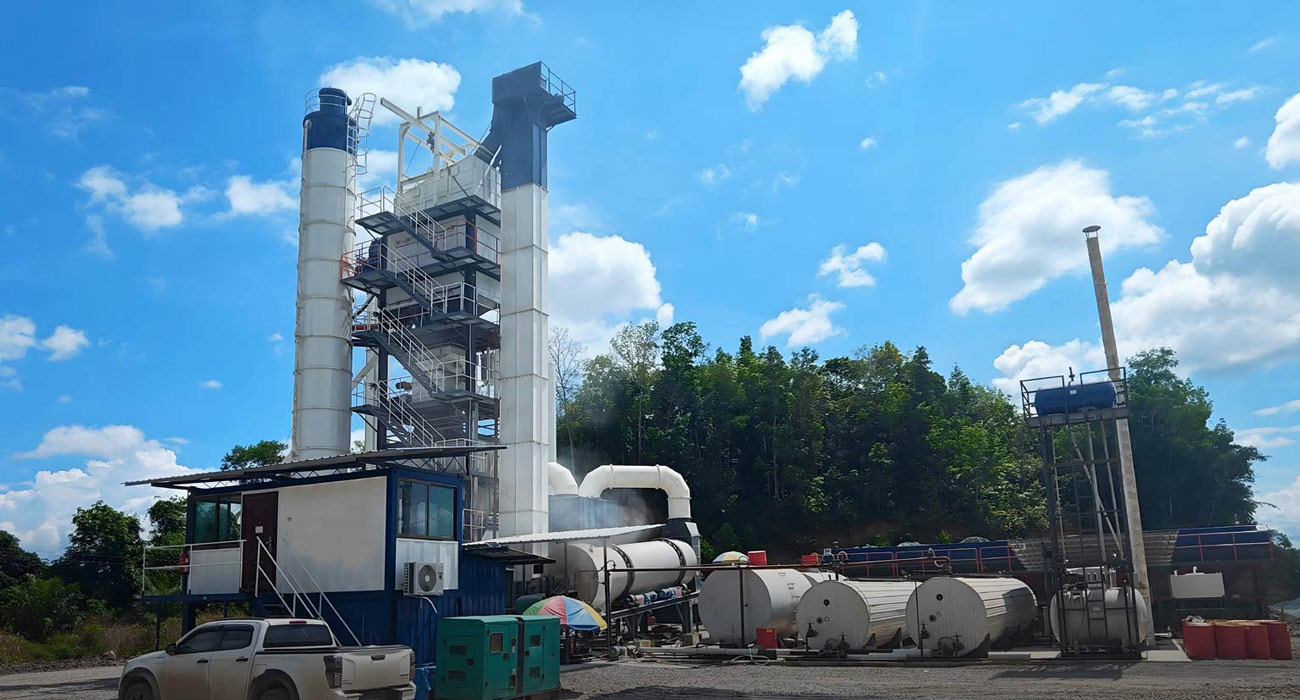
Malaysia ALQ120 Project | Continuous Output in Tropical Rainbelt
- Project Background: Deployed in Malaysia for urban road construction where heavy rainfall and high humidity persist throughout the year, demanding uninterrupted asphalt production under moisture-heavy conditions.
- Nigeria Condition Relevance: The operating environment closely mirrors southern Nigeria’s coastal climate, where moisture control and drying efficiency directly determine paving quality.
- Project Feedback: The contractor emphasized consistent mixture stability even during prolonged rainy periods, with strong moisture resistance in production cycles.
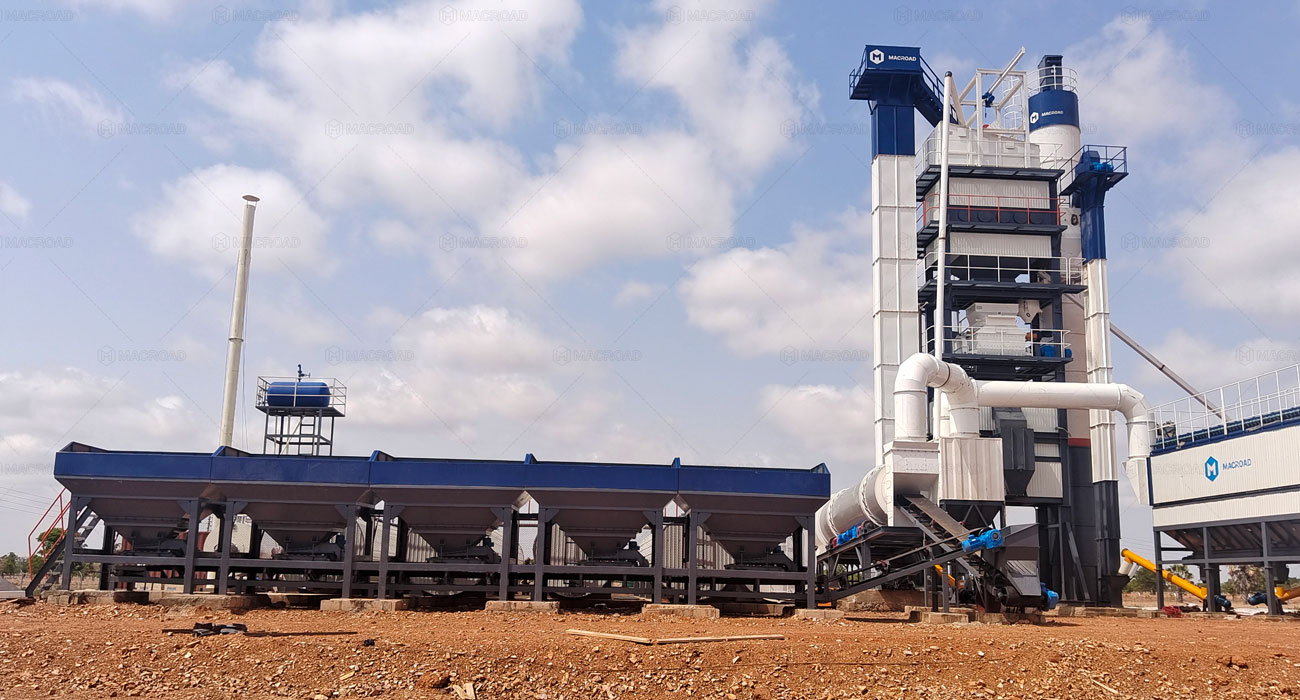
Ghana ALQ120 Project | Stable Output Under West African Climate Stress
- Project Background: Applied in highway rehabilitation and urban upgrading works, requiring stable production under alternating dry and rainy tropical seasons.
- Nigeria Condition Relevance: Shares near-identical West African environmental patterns with Nigeria, including high temperature fluctuation and seasonal rainfall intensity.
- Project Feedback: The drying system performance remained highly consistent, significantly reducing downtime during peak rainy season operations.
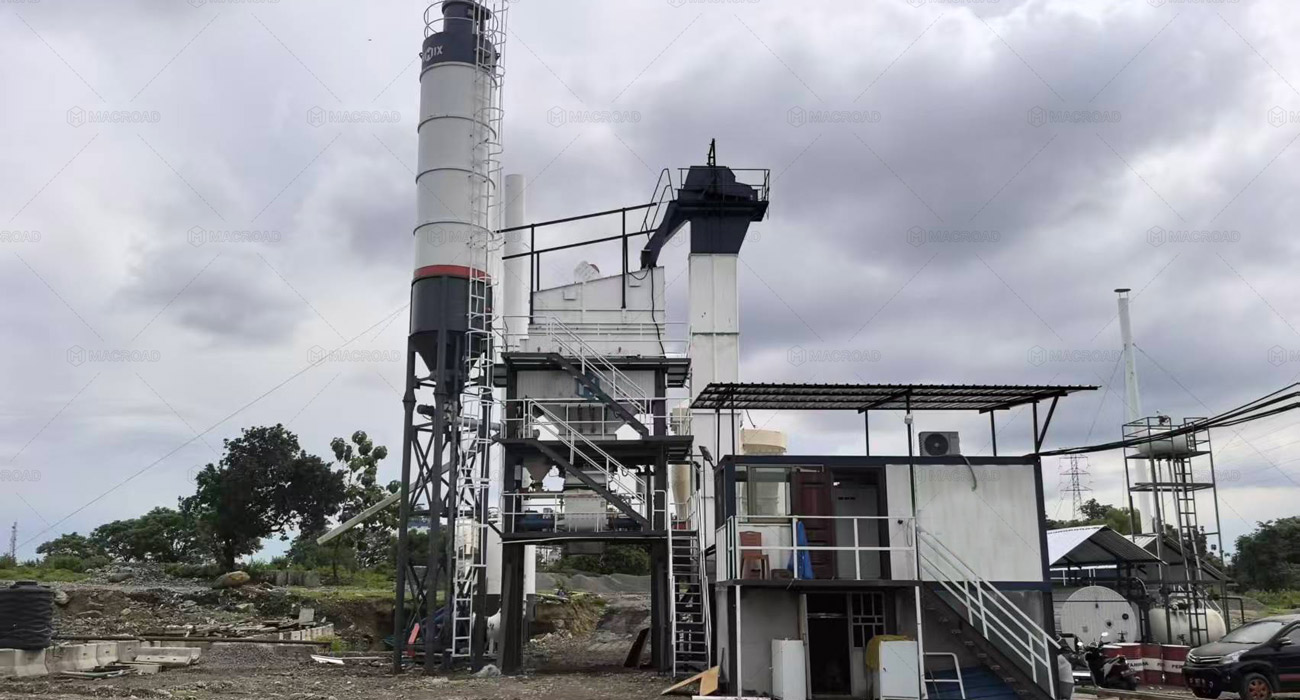
Indonesia ALQ80 Project | Flexible Deployment Across Island Infrastructure
- Project Background: Installed for regional infrastructure development across dispersed island sites, requiring mobility and rapid deployment capability.
- Nigeria Condition Relevance: Similar to Nigeria’s remote and coastal regions where construction sites are fragmented and logistics coordination is complex.
- Project Feedback: The rigid structural design was highly valued for its long-term operational stability, ensuring consistent performance across different project phases without compromising production continuity.
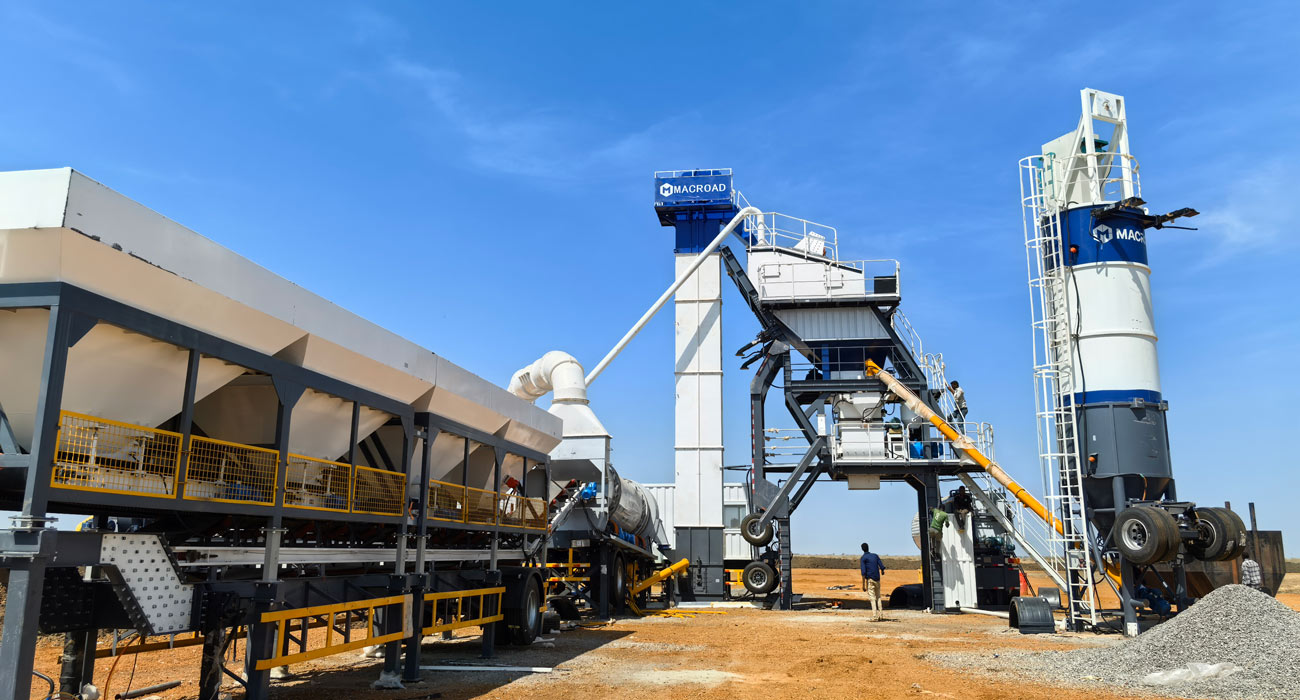
Sudan ALYQ100 Project | Continuous Operation in Extreme Arid Conditions
- Project Background: Used in large-scale highway construction across arid regions, where dust, heat, and fuel constraints challenge equipment reliability.
- Nigeria Condition Relevance: Reflects conditions similar to northern Nigeria, where extreme heat and dust exposure significantly impact equipment durability.
- Project Feedback: The system demonstrated strong combustion stability and reliable continuous operation even under harsh desert conditions.
How a High-Efficiency Asphalt Plant Maintains Stable Operation
If you wish to determine which specific model is best suited for your project, a deeper perspective proves invaluable—specifically, an examination of the equipment’s internal operating systems.
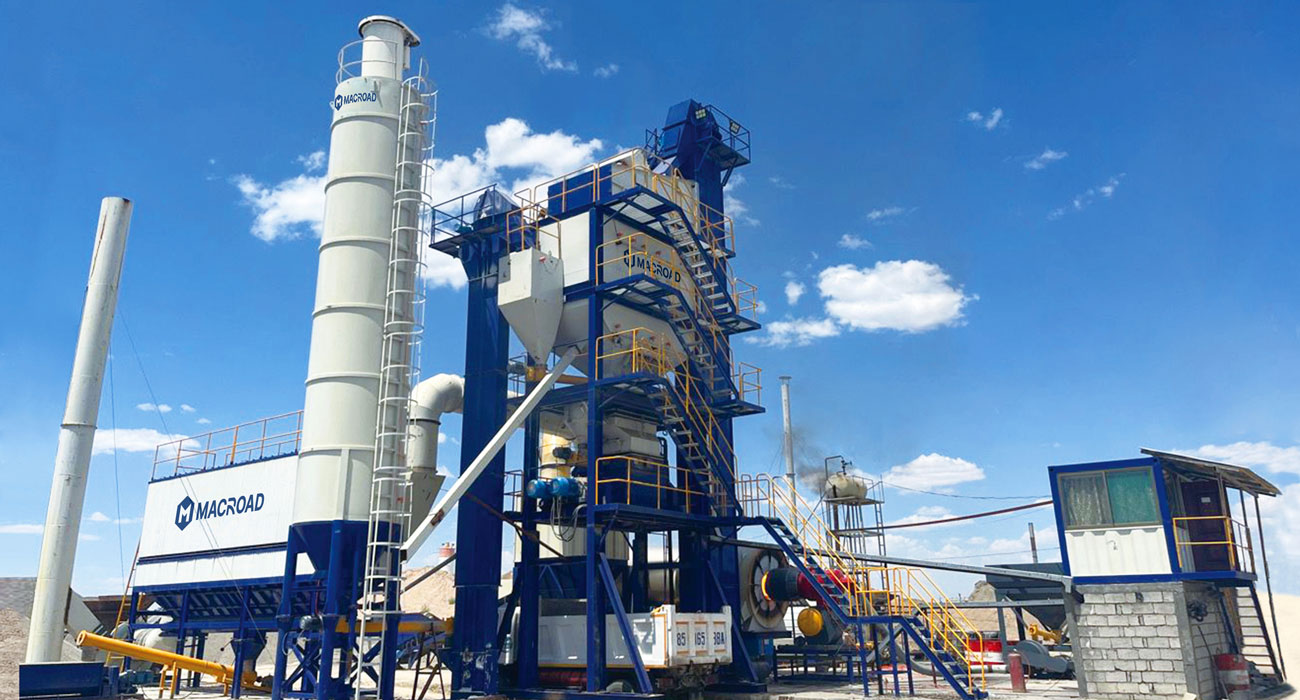
The true value of a high-performance, stable asphalt mixing plant is often realized through the synergistic operation of its various systems. In the hot, dusty, and complex working conditions of Nigeria, our optimized, fully integrated systems ensure continuous equipment operation—helping you shorten project timelines, reduce maintenance and operating costs, and steadily boost project profitability.
Drying System
The drying system is responsible for heating aggregates and removing moisture; it constitutes the first critical stage influencing the stability of asphalt quality. In the Nigerian context—characterized by a prolonged rainy season and significant fluctuations in atmospheric humidity—aggregate moisture content tends to vary noticeably, thereby imposing rigorous demands on the drying system.
Hot Aggregate Hoisting System
The hot aggregate hoisting system is tasked with reliably conveying heated aggregates to the screening and weighing stages, serving as a vital link connecting the drying process with the batching process. Across various road construction scenarios in Nigeria, projects frequently require the maintenance of a continuous production rhythm; consequently, this system typically demands exceptional structural stability and sustained conveying capacity to support production requirements during prolonged operational periods.
Weighing System
The weighing system is utilized to precisely meter aggregates, mineral fillers, and asphalt, acting as the core component that determines the accuracy of the mixture’s composition. In Nigerian road construction projects, where different undertakings impose strict requirements regarding material proportions, this system places a strong emphasis on weighing precision and stability to assist construction teams in effectively controlling mixture consistency and adhering to construction standards.
Mixing System
The mixing system is responsible for thoroughly blending various materials to produce a uniform asphalt mixture; it is a pivotal stage that directly impacts the quality of the finished pavement. In road construction applications within Nigeria—given the varying scales and intensities of different projects—this system typically requires robust wear resistance and sustained mixing capabilities to accommodate the continuous production demands of diverse engineering projects.
Dust Removal System
The dust removal system is designed to capture dust particles generated during the production process, serving as an essential component for safeguarding the production environment and ensuring the stable operation of equipment. In the context of Nigerian road construction and industrial applications, this system typically requires high filtration efficiency and stable operational performance to support emission control and equipment protection requirements throughout extended production cycles.
Control System
Serving as the operational core of the entire equipment assembly, the control system is responsible for the automated control, parameter adjustment, and operational monitoring of the production process. In Nigerian road construction projects—characterized by geographically dispersed construction sites and a diverse range of project types—this system places a premium on simplified operation and remote monitoring capabilities, thereby ensuring the continuity and manageability of equipment operations across varying construction conditions.
When every component operates stably and efficiently, you will experience a greater sense of control and peace of mind as the project progresses; you will also be better equipped to calmly navigate the challenges posed by varying construction conditions, thereby ensuring that your overall investment yields greater long-term value.
From Order to Commissioning: A Clear Procurement Path
For road construction projects in Nigeria, asphalt plant for sale in Nigeria procurement entails far more than simply selecting models and comparing asphalt plant price quotes; it involves a multifaceted process encompassing international shipping, customs clearance, foreign exchange approvals, and installation and commissioning.
By gaining a clear understanding of the entire workflow prior to procurement—and preparing for each step in advance—you can not only minimize uncertainties but also ensure the project proceeds far more smoothly. Below, we present a clear roadmap designed to provide you with a more intuitive overview of the entire procurement and delivery process.
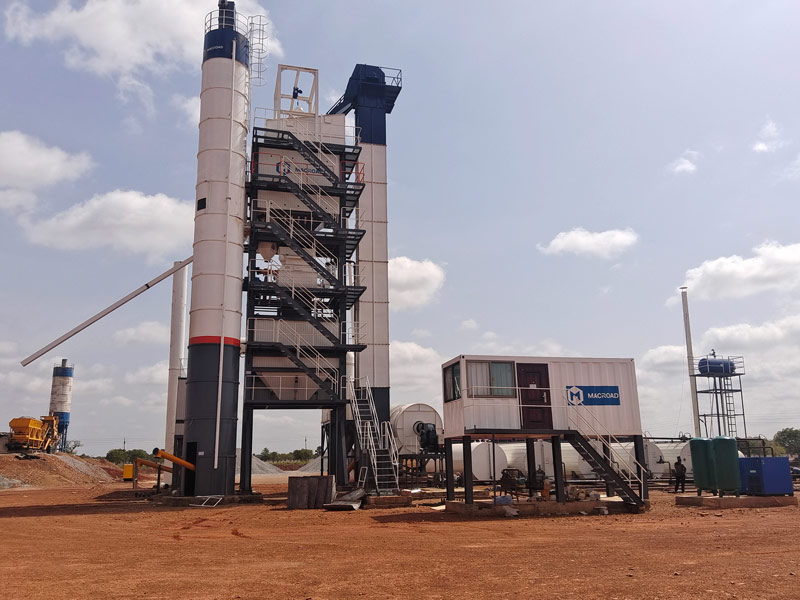
Step 1: Requirements Confirmation & Solution Selection (1–2 Weeks)
Step 2: Commercial Negotiation & Contract Signing (Approx. 1 Week)
Step 3: Form M Application & Export Documentation Preparation (1–2 Weeks)
Step 4: Equipment Production & Factory Inspection (60–90 Days)
Step 5: Shipment & Maritime Logistics (25–35 Days)
Step 6: Nigerian Customs Clearance & Port Collection (7–21 Days)
Step 7: Inland Transport, On-site Installation, and Commissioning (15–25 Days)
Although the procurement process involves multiple stages, with proper upfront planning, every step can be rendered clear and controllable. Throughout this entire journey, Macroad provides comprehensive support—ranging from product selection and documentation preparation to shipping, installation, and commissioning—helping you minimize the uncertainties inherent in international procurement, ensure a smoother equipment delivery, and enable your project to advance seamlessly according to the anticipated schedule.
FAQ
We are using a generator for power supply at our site, where the voltage fluctuates around 380V; can the equipment operate stably under these conditions?
In many projects in Nigeria, generator-based power supply is a common scenario, and the equipment is typically designed to adapt to such power conditions.The electrical control system for Macroad asphalt mixing plants features a wide voltage fluctuation tolerance design (approximately ±10% to 15%). Furthermore, key drive units are equipped with soft start functions to mitigate the impact of transient voltage fluctuations on the system.
We sometimes use diesel and other times heavy oil as fuel; can the combustion system switch between them?
Yes, the system supports adaptation to different fuel types, though a standardized switching procedure is typically required. The combustion system can adjust combustion parameters based on the fuel type to accommodate varying calorific values. When switching to heavy oil, a matching heating and filtration pre-treatment system is generally required to ensure the fuel maintains adequate fluidity and purity before entering the burner.The switching procedure typically involves: fuel line switching → parameter adjustment → combustion stability calibration. In actual operation, the impact of the switching process on production output is usually minimal, although a brief period is required during the initial adjustment phase to stabilize the combustion state.
Is the operating system in Chinese? Can Nigerian operators quickly master its use?
The control system typically supports multi-language interfaces (including an English version), which can be switched according to the specific requirements of the project site.Taking into account the practical operating environment of projects in Nigeria, the system interface is designed to be primarily graphical, minimizing the need for complex parameter inputs.
During the handover phase, on-site operational training (typically lasting 3 to 7 days) is provided. This training covers equipment startup procedures, routine parameter adjustments, basic troubleshooting, and key maintenance points. Additionally, a comprehensive English-language operation manual is provided to facilitate ongoing use.
Can the asphalt mixture produced by this equipment meet the acceptance standards for Federal Road projects?
The equipment is designed to meet generally accepted international standards for road construction.In Nigerian Federal Road projects, the primary focus lies on the stability and proportioning accuracy of the asphalt mixture. The system achieves this by utilizing an independent weighing structure (for aggregates, mineral fillers, and asphalt) combined with dynamic compensation control logic, thereby keeping proportioning errors within the permissible limits for engineering projects. Furthermore, the control system generates complete production data logs, which serve as essential documentation for project acceptance and quality traceability purposes.
If the construction project at the site is delayed, can the equipment be placed in temporary storage?
In Nigeria, the temporary storage of equipment is a common requirement, as road construction schedules can often be delayed due to the rainy season or land acquisition issues.Macroad asphalt plants in Nigeria are designed to accommodate short-term on-site storage; for instance, key components—such as the mixing host, aggregate bins, and drying drum—can be partially disassembled and covered with waterproof tarpaulins for preservation.
We recommend that you inform us in advance of your anticipated storage duration and environmental conditions. This allows us to provide tailored solutions for corrosion prevention, moisture protection, and on-site securing, ensuring that the equipment requires no additional commissioning or adjustments when it is eventually brought back online.
When purchasing equipment for use in Nigeria, why is it advisable to confirm the SON certification and Form M procedures in advance?
Approximately how long does it take from the signing of the contract to the commencement of operations for the equipment in Nigeria?
The entire cycle typically spans around 5 to 6 months, though the exact duration depends on the specific equipment model and the efficiency of the customs clearance process. The general timeline includes:
- Production Cycle: 60–90 days
- Sea Freight: China → Lagos: approx. 25–35 days
- Customs Clearance & Port Handling: 7–21 days
- On-site Installation & Commissioning: 14–21 days
It is crucial to note that the Form M application and SON certification procedures should ideally be initiated concurrently during the preliminary stages; failure to do so may disrupt the subsequent customs clearance and cargo collection schedule. We therefore recommend initiating the equipment procurement process at least six months prior to the official commencement of the construction project.
Creating Long-Term Value with Every Investment
Whether your project is located in Lagos, Abuja, or Nigeria’s northern regions, selecting the right asphalt plant in Nigeria is crucial—not only for current construction efficiency but also for influencing operational costs and project management experiences for years to come. Through equipment solutions tailored to local needs and continuous service support, Macroad aims to help you advance your project construction with greater ease, ensuring that every investment generates long-term, stable value.