Whatsapp

Whatsapp ID: +86 196 9380 7802

E-mail
WeChat

WeChat ID: +86 196 9380 7802

Telephone

Asphalt Plant in Thailand

Intelligent Operation, Efficient Production

Strategic Partner of Fortune Global 500 Companies
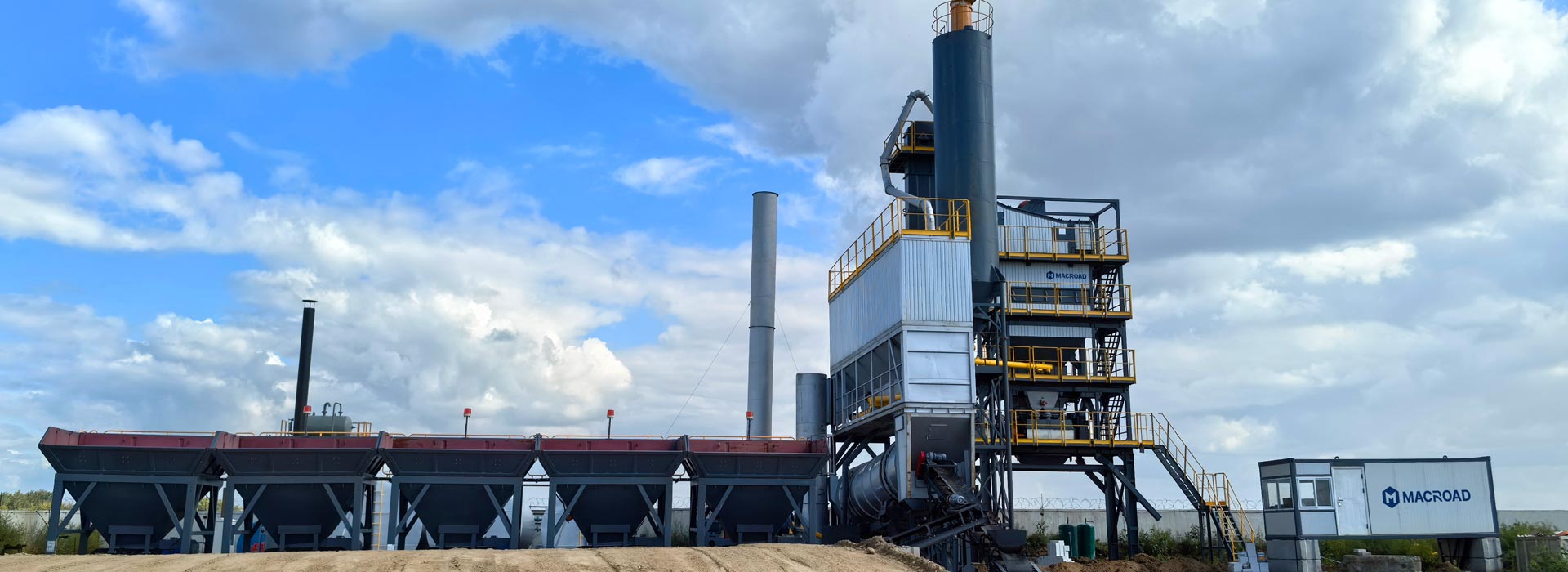
Asphalt plant in the thailand in Macroad Product Line

Roads in Thailand are the lifeblood connecting cities, villages, and daily life. Over the past decade, road construction has become a core part of the country’s development, from the Eastern Economic Corridor (EEC) to the northern cross-border highways. However, road construction is never a smooth road, facing the dual challenges of a tropical climate and complex terrain—high temperatures, humidity, and heavy rainfall can all force extended construction periods of asphalt mixing plant Thailand and impose stricter requirements on material quality.

ALQ120 120tph Asphalt Batch Mix Plant On site in Malaysia Sabah

Even so, Thai builders have never stopped. Whether it’s government projects, private contracts, or local road upgrade programs, progress is ongoing. Among these efforts, the Macroad team is using more scientific planning and more efficient construction methods to make every kilometer of road more solid and durable.

From Challenge to Solution: Tailored for Asphalt Plant in Thailand

Thailand’s construction environment has its own rhythm and patterns. Some projects require high-capacity, continuous operation, while others emphasize rapid movement and flexible deployment. Under Thailand’s complex construction conditions, a single type of asphalt plant often struggles to meet the needs of different projects.

Therefore, leveraging the experience of the Macroad team, four core asphalt mixing plant Thailand have been carefully selected to cover the full range of needs, from highways to local roads, enabling builders to find the most suitable solution for different scenarios.

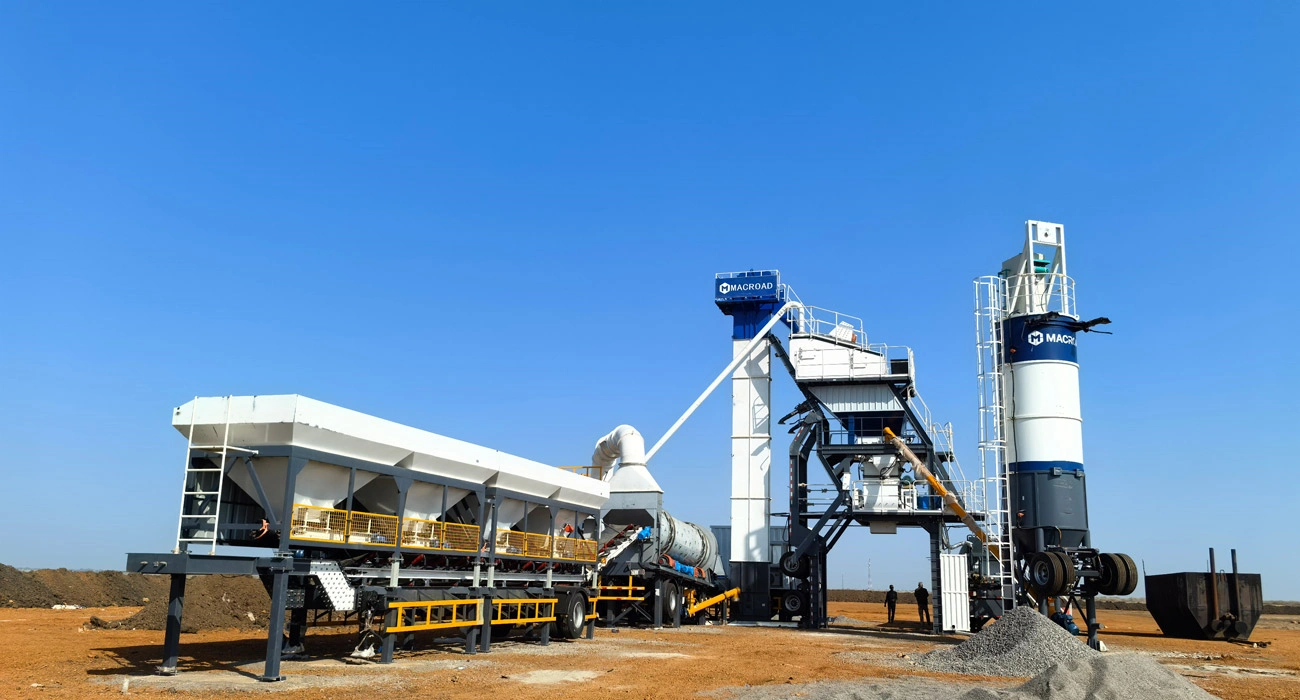
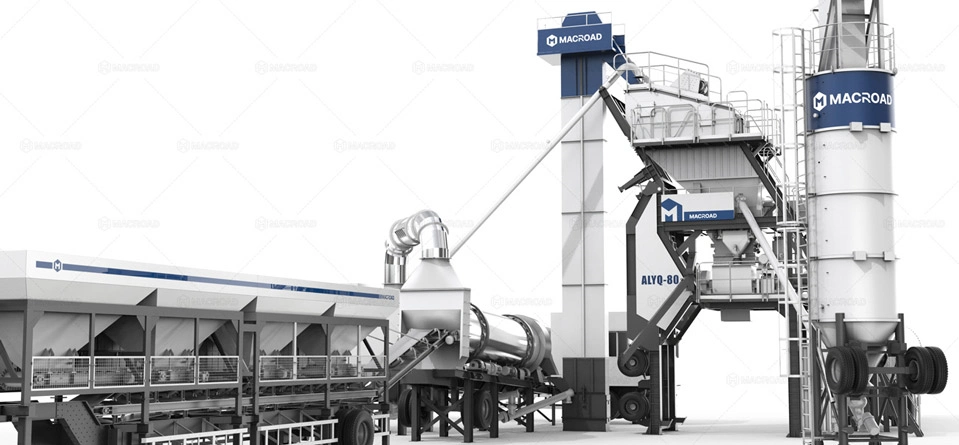
ALYQ type mobile asphalt batching mix plant in thailand

ALYQ Series: Transfer Expert for Multi-section Construction

  • Core Advantages: Modular quick-disassembly design, transfer installation completed in 48 hours, asphalt plant in thailand equipped with all-terrain adaptive chassis, 350mm ground clearance, can be quickly transferred in complex terrains such as muddy sections along the Chao Phraya River and steep slopes in the Chiang Mai mountain area. The mobile asphalt plant mixing system adopts a direct connection mode between the motor and reducer and the main shaft, which extends the service life by 25%, ensuring that the performance of the asphalt plant in thailand is not attenuated after the transfer, and realizing efficient construction with immediate production.
  • Applicable scenarios:
    • Sectional construction of the Eastern Economic Corridor (EEC): such as the Pattaya-Rayong Expressway, multiple sections are promoted simultaneously, and the cross-section transfer is completed within 72 hours, saving 15 days of construction time compared with traditional fixed stations;
    • Bridge construction along the Chao Phraya River: to cope with the frequent transfer needs of cross-water construction, the construction efficiency in the rainy season is improved by 30%;

ModelALYQ60ALYQ80ALYQ100ALYQ120
Output (t/h)6080100120
Hopper Capacity(m)4*6.54*7.54*7.54*7.5
Collect Belt Capacity (t/h)80100120140
Dryer Size(m)φ1.5*6φ1.5*6.7φ1.65*7φ1.8*8
Dryer Capacity(t/h)80100120140
Fuel Max Consumption(kg/h)450550700950
Mixing Tower(kW)5463.5104.5125
Vibrating Screen (Layer)4444
Aggregate Metering hopper(kg)800100013001500
Mineral Flour Metering hopper(kg)150200200300
Bitumen Metering hopper(kg)120150150250
Weighing accuracyaggregate:±0.5% Mineral Flour:±0.25% Bitumen:±0.25%aggregate:±0.5% Mineral Flour:±0.25% Bitumen:±0.25%aggregate:±0.5% Mineral Flour:±0.25% Bitumen:±0.25%aggregate:±0.5% Mineral Flour:±0.25% Bitumen:±0.25%
Mixer Capacity(kg)800120013001700
Cycle Time(s)45454545
Filter Area(m2)370420480510
Draught Fan (kw)30455590
Asphalt Temperature (⊥)140-180140-180140-180140-180
Total power(kw)200300350380

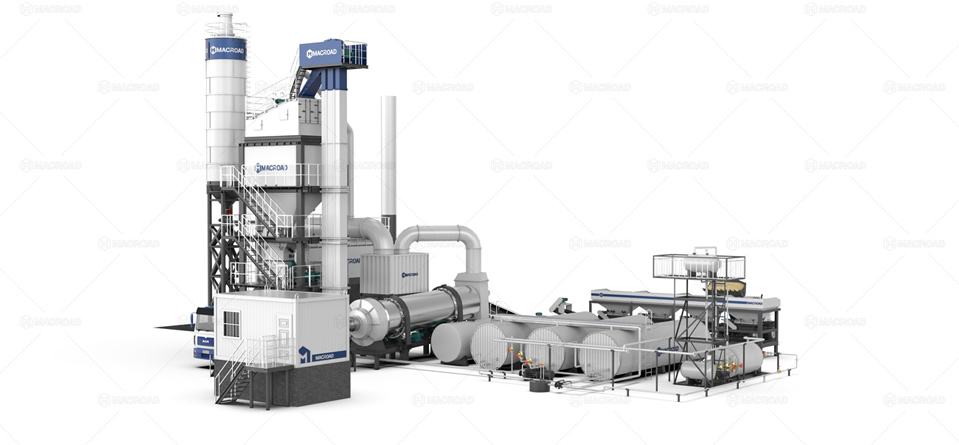
ALQ type stationary asphalt batching mix plants in Thailand

ALQ Series: High-precision asphalt quality guardian

  • Core advantages: The dual-axis forced mixing technology achieves 98.5% uniformity, and the cold aggregate moisture removal efficiency is increased by 30% with the downstream drying drum, ensuring the oil-stone ratio accuracy of ±0.2%. The dual large-capacity mixing tank design in asphalt batching plant supports continuous production and meets the stringent requirements of Thailand’s large-scale projects on mixture performance.
  • Applicable scenarios:
    • Bangkok Urban Expressway Reconstruction: Accurately control the gradation of asphalt mixture to ensure the rutting resistance of the road surface;
    • Thailand High-speed Railway Project (Bangkok-Nakhon Ratchasima Section): Meet the high durability requirements of the high-speed railway ballastless track subgrade;
    • Phuket Airport Expansion: Meet the impact resistance of airport roads.

ModelALQ40ALQ60ALQ80ALQ100ALQ120ALQ160ALQ200ALQ240ALQ320
Output(t/h)406080100120160200240320
Cold Aggregate Feeding System4×4.5m³4×6.5m³4×8m³4×8m³5×9m³5×12m³ 5×12m³5×12m³6×15m³
Hopper Capacity(m)4*4.54*6.54*84*85*95*125*125*126*15
Collect Belt Capacity(t/h)6080100120140200220280360
Dryer Size(m)φ1.2*5.2φ1.5*6φ1.5*6.7φ1.65*7φ1.8*8φ2.2*9φ2.6*9φ2.6*9.5φ2.8*10.2
Dryer Capacity (t/h)6080100120140180240260360
Fuel Max Consumption(kg/h)3004505507009501200140017002250
Vibrating Screen(Layer)444445556
Aggregate Metering hopper(kg)5008001000125015002000250030004000
Mineral Flour Metering hopper (kg)120150200200300300320600700
Bitumen Metering hopper (kg)100120150150250250250480500
Weighing accuracyaggregate:±0.5% Mineral Flour:±0.25% Bitumen:±0.25%aggregate:±0.5% Mineral Flour:±0.25% Bitumen:±0.25%aggregate:±0.5% Mineral Flour:±0.25% Bitumen:±0.25%aggregate:±0.5% Mineral Flour:±0.25% Bitumen:±0.25%aggregate:±0.5% Mineral Flour:±0.25% Bitumen:±0.25%aggregate:±0.5% Mineral Flour:±0.25% Bitumen:±0.25%aggregate:±0.5% Mineral Flour:±0.25% Bitumen:±0.25%aggregate:±0.5% Mineral Flour:±0.25% Bitumen:±0.25%aggregate:±0.5% Mineral Flour:±0.25% Bitumen:±0.25%
Mixer Capacity(kg)5008001000125015002000250030004000
Cycle Time(s)454545454545454545
Dust filter (Bag dust filter)
Filter Area(m2) 23030042048055065070010501350
Draught Fan(kw)22304555901102*752*902*110
Asphalt Temperature (⊥)140-180140-180140-180140-180140-180140-180140-180140-180140-180

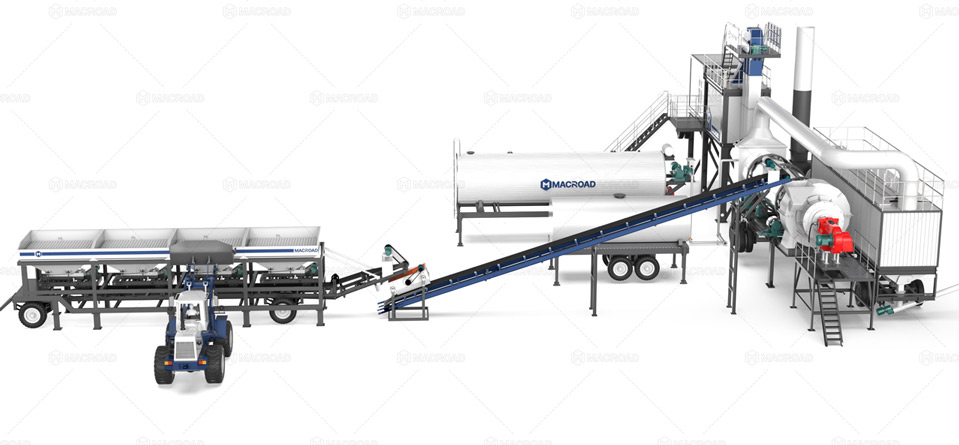
ALYT type mobile continuous asphalt drum mix plant in Thailand

ALYT Series: A smart pioneer that breaks through site limitations for asphalt plant in Thailand

  • Core advantages: When projects require frequent site transfers, scattered construction areas or short construction cycles, the ALYT mobile type drum mix asphalt plant demonstrates irreplaceable advantages: its 72-hour rapid site transfer capability enables on-site stations, saving 35% of transportation costs compared to fixed stations; the low fuselage and ±15° adaptive outriggers eliminate the need for concrete foundations on inclined terrain, reducing site costs by 30%; the dual-fuel system reduces energy costs by 25%, making it a perfect fit for Thailand’s fragmented construction, complex terrain, short-cycle projects and uncertain future market demand.
  • Applicable scenarios:
    • High-density construction in downtown Bangkok: such as the reconstruction of the Ratchada business circle road, the asphalt plant in thailand occupies 30% less area than traditional stations, and can be installed in a small site of 3,000 square meters, solving the problem of tight urban land use;
    • Island infrastructure projects (Samui New Airport Link Road): Modular shipping packaging (single module weight ≤ 40 tons), transported to the island by barge at Laem Chabang Port.

ModelALYT20ALYT40ALYT60ALYT80ALYT100
Output (t/h)20406080100
Power Fuel Oil(kw)3465105135170
Power Burning Coal (kw)4075120165200
Cold Aggregate Feeding System3.5m3*14m3*44m3*46.5m3*46.5m3*4
Finihnsed Asphalt Storage Bin (t)22.54.557
Asphalt Temperature (℃)120-180120-180120-180120-180120-180
Fuel Consumption
Fuel Ol (kg/t)
5-7.55-7.55-7.55-7.55-7.5
Fuel Consumption
Buning Coal(kg/t)
13-1513-1513-1513-1513-15
Asphalt Tank (t)1020303035
Control Room(m)2.22.2333.5
Optionbag dust collector / water dust collectorbag dust collector / water dust collectorbag dust collector / water dust collectorbag dust collector / water dust collectorbag dust collector / water dust collector

ALT type continuous stationary asphalt plant in Thailand

ALT Series: King of Continuous Production and Cost-Effectiveness

  • Core Advantages: The drum type stationary asphalt plant heat conduction structure increases heat utilization by 35% and supports 24-hour uninterrupted operation. In different modes, the asphalt plant in Thailand can automatically adapt to different aggregates in Thailand, saving 12% of raw material loss and 22% of energy consumption compared to traditional equipment.
  • Applicable scenarios:
    • Roads in industrial areas in northeastern Thailand: such as the ring line of the Khon Kaen Industrial Park, the asphalt plant in thailand runs continuously for 72 hours without failure, ensuring a stable supply of 500 tons per day;
    • Three-year construction of Bangkok Outer Ring Expressway: Through the capacity-energy consumption dynamic balance algorithm, the maintenance cost is reduced by 18% in long-term fixed operations, saving 3 million baht in full-cycle costs compared with Japanese equipment;
    • Budget-sensitive rural roads: support 30-80tph flexible capacity adjustment, suitable for small-scale construction in the northern mountainous areas of Thailand.

ModelALT20ALT40ALT60ALT80ALT100
Output (t/h)20406080100
Power Fuel Oil(kw)3465105135170
Power Burning Coal (kw)4075120165200
Cold Aggregate Feeding System3.5m3*14m3*44m3*46.5m3*46.5m3*4
Finihnsed Asphalt Storage Bin (t)33779
Asphalt Temperature (℃)120-180120-180120-180120-180120-180
Fuel Consumption
Fuel Ol (kg/t)
5-7.55-7.55-7.55-7.55-7.5
Fuel Consumption
Buning Coal(kg/t)
13-1513-1513-1513-1513-15
Asphalt Tank (t)1020303035
Control Room(m)2.22.2333.5
Option: Bag Dust FilterBag Dust FilterBag Dust FilterBag Dust FilterBag Dust FilterBag Dust Filter

Macroad in Action

Building Roads Through the Mountains Macroad ALYT80 asphalt drum mix plant Powers a Highway Project in Bosnia

Building Roads Through the Mountains: Macroad ALYT80 Powers a Highway Project in Bosnia

  • Capacity: 80tph
  • Project Feedback: “The ALYT80 made it easy to deploy even on narrow mountain roads. It performed efficiently and stably at over 1,000 meters above sea level.”
From Groundbreaking to Grand Opening ALQ80 asphalt plant Solid Performance in Kyrgyzstan

From Groundbreaking to Grand Opening: ALQ80’s Solid Performance in Kyrgyzstan

  • Capacity: 80tph
  • Project Manager: “We chose the ALQ80 for its reliability and precise control — it truly helped us meet the high-quality standards of this project.”
Reliable Production Under Tropical Conditions Macroad ALT80 stationary type drum mix plant in Malaysia

Reliable Production Under Tropical Conditions: Macroad ALT80 in Malaysia

  • Capacity: 80tph
  • On site worker: “Even in over 35°C heat and high humidity, the ALT80 ran steadily without a single production delay.”
Quality Drives Progress ALQ120 stationary asphalt plant Boosts Jamaica’s Road Modernization

Quality Drives Progress: ALQ120 Boosts Jamaica’s Road Modernization

  • Capacity: 120tph
  • Project engineer: “The ALQ120 exceeded our expectations. It not only improved production efficiency but also gave our team greater confidence for future large-scale projects.”

Asphalt Plant in Thailand Implementation: From Planning to Production

In Thailand, the success of road construction projects hinges on meticulous attention to every detail. From project initiation and planning to actual operation, any delay or oversight at any stage can exponentially increase costs and time.

Thailand’s complex climate, regional differences, and approval systems demand comprehensive management capabilities from asphalt mixing plant Thailand companies. The following is an analysis of the five key stages of project implementation in Thailand, along with the system support Macroad provides at each stage.

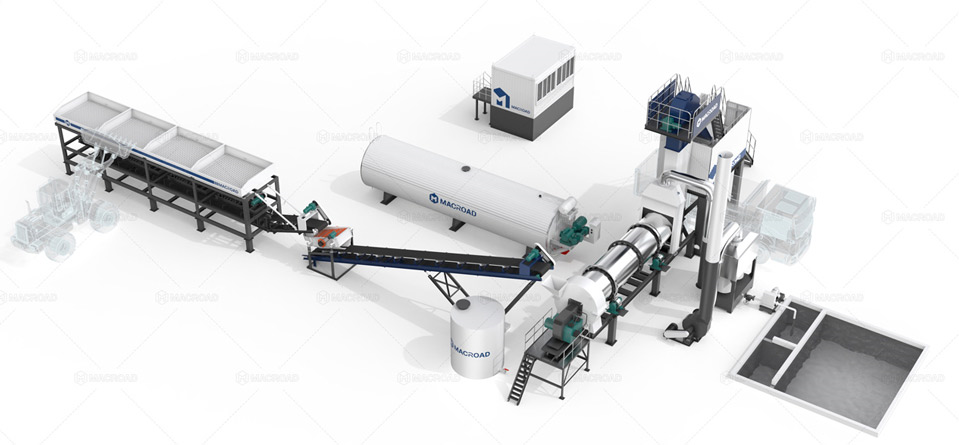
Construction and Installation Guide provided by Macroad Team for asphalt plant in Thailand

Site Selection and Infrastructure Support for asphalt plant in Thailand of Macroad Team

Project Pre-Construction Planning: Managing Policy Window and Construction Pace

Thailand’s road construction cycle is strongly influenced by the monsoon climate. The rainy season lasts from May to October, resulting in high surface moisture content and a short construction window. Most government public projects are concentrated between November and April of the following year. Furthermore, the 2023-2027 National Infrastructure Development Plan explicitly identifies the Eastern Economic Corridor (EEC), Southern Economic Corridor (SEC), and Northern Cross-Border Highways as key development areas, leading to a significant concentration of projects.Key Planning Points Based on This:

  • Time Planning: Construction should avoid the rainy season peak, and equipment delivery and construction schedules should be locked in advance;
  • Policy Coordination: Projects in the EEC area require advance application for permits from provincial industrial zone authorities;
  • Investment Assessment: Cost sensitivity analysis should be conducted, taking into account seasonal raw material fluctuations and time constraints.

Macroad Supports:

  • Provides the Thailand Annual Construction Climate Schedule to assist clients in developing equipment delivery and commissioning plans;
  • Provides compliance document templates and approval pathway planning based on EEC and SEC regional policies;
  • Provides asphalt plant in Thailand type selection and investment return assessment models to help clients quantify equipment payback periods.

Supply Chain and Resource Planning for asphalt plant in Thailand: Stable Supply of Raw Materials and Fuels

Thailand’s road construction relies primarily on locally sourced aggregates and imported asphalt. Aggregate resources are unevenly distributed:

  • The east (Rayong, Chonburi) is rich in granite, suitable for high-grade roads;
  • The northeast (Khon Kaen, Udon Thani) has large sandstone reserves, resulting in low transportation costs;
  • The south is rich in limestone, but it is mostly concentrated in mountainous areas, making transportation difficult during the rainy season.
  • Asphalt is mainly supplied by two major refineries, PTT and ESSO, and its price is significantly affected by fluctuations in international oil prices.

Key Points

  • Aggregate Radius Control: Asphalt mixing plants should ideally be located within 50 kilometers of aggregate mining areas;
  • Fuel Reserves: Due to unstable maritime transport during the rainy season, it is recommended to establish at least 10–15 days’ worth of asphalt raw material reserves;
  • Supply Security: Cross-regional projects require planning for dual supply sources to cope with seasonal road closures and port delays.

Macroad Supports:

  • Provides a map of aggregate resource distribution in Thailand, marking high-quality mining areas to assist in site layout;
  • Assists clients in signing annual fuel supply agreements with PTT Mining and ESSO Thailand;
  • Inventoryes a dual-fuel system (coal + diesel) during the equipment design phase to ensure production continuity.

Site Selection and Infrastructure Support for asphalt plant in Thailand: Balancing Geography, Energy, and Compliance

Thailand boasts diverse terrain: the central plains are geologically stable; the southern and coastal areas are low-lying and susceptible to flooding and monsoons; the northern mountainous regions have limited construction sites and high transportation costs. Industrial land approval is jointly regulated by the Ministry of Industry and local governments, and Environmental Impact Assessment (EIA) requirements are stringent, especially for coastal projects which must meet the distance standards for coral reef protected areas.

Key Stages

  • Site Selection Logic: Proximity to raw material areas and highway exits, and at least 500 meters away from residential areas;
  • Energy Security: Remote areas require self-sufficient diesel generator systems or solar power supplementation;
  • Compliance Pre-approval: EIA, fire safety, and industrial land use permits must be obtained simultaneously.

Macroad Support

  • Provides a suitability assessment report for Thai industrial zones, including geological, drainage, and land use legality analysis;
  • Assists clients in preparing EIA documents and fire safety drawings to reduce the risk of approval rejection;
  • Incorporates flood-resistant elevated foundation designs into asphalt plant in Thailand layouts to ensure safe operation during the rainy season.

Construction and Installation for asphalt plant in Thailand: Efficiency, Standards, and Coordination in Parallel

Thai construction projects often utilize local contracting, resulting in low labor costs but inconsistent construction standards. Short construction periods during the rainy season make on-site coordination and logistics management crucial. Equipment transportation relies heavily on Laem Chabang and Bangkok ports, and inland transshipment must consider road capacity limitations.

Key Phase Points

  • Modular Installation: Utilizing modular transportation and on-site assembly shortens the construction cycle of asphalt plant in Thailand by approximately 30%;
  • Local Collaboration: Local contracting teams handle infrastructure construction, while overseas engineers lead equipment commissioning;
  • Quality Monitoring: System calibration and electrical control commissioning are completed concurrently during the installation phase.

Macroad Support

  • As professional asphalt plant supplier, Macroad provides modular, rapid installation solutions, supporting 7-14 day assembly of asphalt plant in Thailand;
  • Dispatches an engineering team to supervise on-site, ensuring construction standards match drawings;
  • Provides a real-time installation monitoring platform, allowing clients to remotely track construction progress.

System Commissioning and Production: Closed-Loop Management from Startup to Stability

Thailand experiences significant climatic differences between north and south, with high humidity and large temperature variations, placing higher demands on the stability of the combustion system, drying cylinder, and dust removal system. Furthermore, many on-site operators come from traditional plant environments and have limited understanding of automated systems and intelligent controls. Therefore, ensuring accurate system parameters and clear operating procedures before formal commissioning is crucial for a smooth project start.

Key Stages

  • Operational Calibration: After installation, comprehensive calibration of the weighing system, combustion temperature control, and batching system should be performed to ensure stable output even in high humidity environments.
  • Operational Familiarization: Through phased trial runs, local operators should become familiar with the program logic and alarm feedback mechanisms through practical operation.
  • Data Tracking: Utilizing an IoT system to monitor the status of key components in real time provides data support for subsequent maintenance.

Macroad Supports:

  • Factory Pre-commissioning: Each unit undergoes full system integration testing, including combustion, weighing, dust removal, and automation control, before leaving the factory, ensuring rapid assembly and operation upon arrival at the site;
  • Remote Operation Assistance: After installation, the Macroad technical team provides real-time guidance to customers through a remote monitoring platform for trial operation and system optimization;
  • Training and Maintenance System: Operation and maintenance training is provided, including multilingual manuals, video courses, and a frequently asked questions database, assisting customers in quickly achieving independent operation and self-maintenance.

Asphalt Plant in Thailand Price Analysis

In Thailand, road construction and infrastructure projects continue to grow, with demand for asphalt mixing plant Thailand rising rapidly, whether for rural roads or urban expansion.

Many customers are most concerned about the cost to build an asphalt plant. In fact, there isn’t just one number to answer this question. Because the terrain, output, fuel, and construction period vary from project to project, the price will also vary accordingly.

Price range reference for asphalt mixing plant Thailand

ALQ type stationary asphalt batching mix plants in Thailand
ALQ40-ALQ320: $220,000-$1,220,000
ALYQ type mobile asphalt batching mix plant in thailand
ALYQ60-ALYQ120: $270,000-$440,000
ALT type continuous stationary asphalt plant in Thailand
ALT20-ALT80: $60,000-$210,000
ALYT type mobile continuous asphalt drum mix plant in Thailand
ALYT20-ALYT120: $60,000-$200,000

Main factors affecting the price of asphalt mixing plant Thailand

Fuel Type and Energy Structure

  • Significant Regional Differences: Central and Eastern regions have well-developed energy infrastructures and high natural gas utilization rates; Northern and Southern regions primarily use diesel or heavy oil systems.
  • Fuel Type Affects Initial Investment: Gas burners are more expensive but economical to operate; diesel systems are cheaper to purchase but have higher operating costs.
  • Dual-Fuel Systems Increase Investment: If compatibility with Gas+Diesel systems is required, the overall price increases by approximately 8%–15%, but it improves flexibility and energy adaptability.

Climate and Environmental Protection Configuration

  • High Humidity Climate Increases Protection Costs: Thailand experiences high humidity year-round and a long rainy season, requiring additional moisture-proof electrical cabinets and sealed electrical control systems.
  • High Temperature Conditions Require Insulation Design: The drying drum and hot material lifting system require insulation layers to prevent energy loss and improve efficiency.
  • Increased Corrosion Resistance and Durability Requirements: High-salinity air environments (especially in coastal areas) require rust-resistant steel plates and anti-corrosion paint structures, increasing the overall unit price by 10%–20%.

Transportation and Installation Conditions

  • International Transportation and Customs Clearance Costs: Shipping from China to Thai ports takes 10-15 days, with transportation and customs duties accounting for approximately 6%-10% of equipment investment.
  • Differences in Transportation Between Inland and Mountainous Areas: Low-flatbed trucks are required for transportation in northern mountainous areas (such as Chiang Mai and Lampang), increasing costs by approximately 5%-8%.
  • Rainy Season Affects Installation Cycle: Delays in installation due to unpaved sites or poor drainage will incur additional labor and rental expenses.

Environmental and Regulatory Requirements

  • High Environmental Standards for Government Projects: The PCD (Pollution Control Department of Thailand) stipulates that dust emissions and noise levels must meet standards, requiring projects to be equipped with a two-stage dust removal system.
  • Foreign Investment and Highway Projects Require High-End Configurations: Airport and highway projects often require low-noise burners and dust recovery systems, increasing costs by 10%-25%.
  • Environmental Compliance Affects Approval Speed: Equipment that does not meet standards will fail project acceptance; therefore, environmental investment becomes a necessary cost.

Automation and Control System Level

  • Labor costs drive automation demand: The daily wage for ordinary workers in Thailand is 900–1200 baht. Highly automated systems can reduce the number of operators.
  • Control system version determines price: Adopting a PLC + touch screen + remote monitoring system increases initial investment by 5%–8%, but lowers subsequent maintenance costs.
  • More significant long-term benefits: Automation systems reduce downtime, improve mixing accuracy, and have a higher overall ROI, making them the mainstream choice for Thai customers.

The price differences of asphalt mixing plant Thailand are mainly determined by factors such as fuel type, climate conditions, protective equipment, transportation costs, environmental standards, and level of automation. Overall, equipment suitable for the Thai market tends to have higher investment in energy adaptability, weather resistance, and environmental compliance, but can significantly reduce operational risks and maintenance costs in the long run.

The Best Investment Approach for Asphalt Plant in Thailand

In Thailand, investment models for road construction and urban infrastructure projects are becoming increasingly diversified. Besides traditional direct equipment procurement, cooperation models between the government and private enterprises (such as PPP, BOT, and EPC) are becoming mainstream. Different investment methods are suitable for different project cycles and funding conditions.

PPP (Public-Private Partnership) Model for asphalt plant in Thailand

PPP (Public-Private Partnership) Model

  • Strong Policy Support: The Thai government has vigorously promoted public-private partnerships in infrastructure through the PPP Promotion Act to alleviate fiscal pressure and attract foreign investment in road and transportation construction projects. Under this model, the government provides project authorization and public resources, while private enterprises are responsible for investment, design, construction, and operation.
  • Suitable for Large-Scale Public Road Projects: PPP is particularly suitable for long-term projects such as national or provincial highways and airport connections. Asphalt mixing plants can be used as sub-units of the project, invested in and constructed by private enterprises, which are responsible for material supply and operation during the project period.
  • Balance of Advantages and Risks: Advantages: Investment risk is shared by the government, ensuring greater project returns. Risks: Longer approval cycles and complex financial models; suitable for contractors or supplier groups with strong financial resources.
BOT (Build-Operate-Transfer) Model for asphalt plant in Thailand

BOT (Build-Operate-Transfer) Model

  • A common cooperation framework in government projects: BOT is an important model in Thai infrastructure construction, running parallel to PPP. Private enterprises are responsible for equipment construction and operation, transferring assets to the government or project owner upon contract expiration.
  • Suitable for stationary batching plant investment: For highways or regional road projects with long construction cycles and high output demands, BOT allows investors to recover costs and generate profits during the operation period.
  • Advantages and challenges: Advantages: Stable long-term operating revenue; strong government support. Challenges: Long investment cycle, high capital occupation; requires strict cost control and equipment reliability assurance.
EPC Model (Design-Procurement-Construction General Contracting) for asphalt plant in Thailand

EPC Model (Engineer-Procurement-Construction General Contracting)

  • Widely used in Thai engineering projects: EPC is one of the most common models used in highway, port, and industrial park projects in Thailand. The government or owner entrusts the entire project to a contractor, who is responsible for the entire process of design, procurement, and construction.
  • Suitable for companies with strong comprehensive capabilities: The EPC model requires high technical and project integration capabilities from contractors. For equipment suppliers, those who can provide integrated services from scheme design and civil engineering planning to installation and commissioning will be more competitive.
  • Advantages and limitations: Advantages: High project execution efficiency, centralized processes, and controllable risks. Limitations: The financial burden is mainly borne by the contractor; high requirements for cash flow and construction management.
Equipment Leasing and Operation Cooperation Model for asphalt plant in Thailand

Equipment Leasing and Operation Cooperation Model

  • Suitable for small and medium-sized projects and local contractors: In Thailand, many road maintenance and rural road projects are small-scale, and contractors have limited funds. Leasing or operation cooperation can significantly reduce initial investment.
  • Flexible business model: Equipment suppliers can establish leasing points or share mixing plants in Thailand, with project owners paying usage fees based on output, usage hours, or contract period.
  • Advantages and applicability: Advantages: Flexible, low investment pressure, maintenance is the responsibility of the supplier. Applicable to: Short-term projects, multi-site distributed, and highly mobile construction tasks.

Thailand’s road and infrastructure development is in a phase of rapid expansion, with different regions and projects of varying sizes requiring different investment approaches. Whether it’s government-led PPP and BOT projects or EPC and leasing models adopted by private contractors, the key lies in balancing capital efficiency with equipment reliability.

technical support in Macroad

In Thailand, the construction of every road signifies economic connectivity and the extension of development. Choosing a reliable asphalt mixing plant is not merely an equipment investment, but a long-term commitment to project quality and future returns.

Macroad, deeply rooted in the Thai market, empowers contractors to confidently handle diverse project scenarios with its intelligent, automated, and high-precision asphalt mixing technology. From project consultation to equipment commissioning, from pricing planning to investment implementation, Macroad stands shoulder-to-shoulder with its Thai clients—ensuring that every road leads to a more efficient and sustainable future.

    1Send a requestSelect your equipment and fill out your contact information

    2Get a quoteA sales rep will send you an official quote and other related information

    3Payment & DeliveryPayment – Lead time - Delivery

    Contact Us Now!Contact us now via email: sales@macroad.solutions, or fill in the form below.